
Livraison le jour même ou le lendemain

Qualité garantie

Débloquez vos offres de bienvenue: Livraison GRATUITE | Jusqu'à -80 % | 30 jours d'essai gratuits à JoyPlus
Téléchargez l'application
A repair that peels off, an anti-slip strip that lifts after a few uses, or a clear tape that stands out on paper – these frustrations are usually down to a poor choice rather than a faulty product. Whether you’re a household, a family, an office worker or a tradesperson, the term adhesive tape covers a wide range of very different solutions.
Before you place an order, keep three common pitfalls in mind:
The backing material largely determines the tape’s flexibility and strength. A duct tape usually has a reinforced structure – it’s suitable for repairs, bundling cables or temporary holding. A reinforced polyethylene tape, such as the UHU GRIZZLY TAPE, is designed for more demanding uses, particularly on tarpaulins, plastics or canvas.
For paper, photos and envelopes, it’s best to go for an invisible or matt adhesive tape. Its surface blends more easily into paper and can be written on. In contrast, a shiny clear tape is better suited to sealing parcels, protecting labels or carrying out certain visible repairs.
For outdoor use, check the tape’s resistance to water, UV rays and temperature fluctuations. Even an outdoor adhesive tape or a waterproof adhesive tape must be applied to a clean, dry surface for optimal hold.
Different models are not interchangeable: the Scotch UNIVERSAL Repair Duct Tape Black 10 m x 48 mm is intended for indoor use, while some reinforced repair tapes can be used both indoors and outdoors. So always check the product details rather than relying solely on its thickness.
To reduce the risk of slipping on a step, ramp or ladder, an anti-slip tape needs a texture suited to foot traffic. Black and yellow strips are more visible and draw attention; a clear model will be more discreet on a light-coloured surface.
Measure the area you need to cover before ordering. 25 mm rolls are suitable for narrow steps and small surfaces; a width of 48 to 50 mm will cover a joint or a high-traffic area more effectively. In all cases, clean, degrease and thoroughly dry the surface. Applying tape to an unstable, dusty or crumbly surface will seriously compromise its hold.
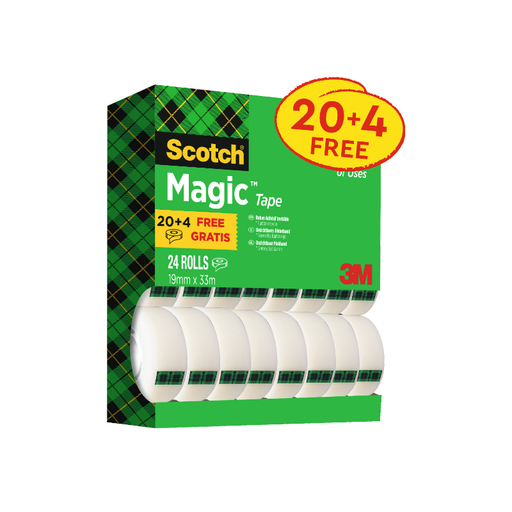
Why this model suits this profile: With its 24 rolls, this pack is ideal for households, students, classrooms and offices that regularly use tape for repairing paper, sealing envelopes or wrapping small items.
The bulk pack means you won’t need to keep buying more, and you won’t be tempted to use a thick repair tape for small jobs. However, this model isn’t designed for heavy loads or outdoor use.
24 rolls of 19 mm x 33 m, matt finish, writable surface and permanent adhesive described as suitable for photos.
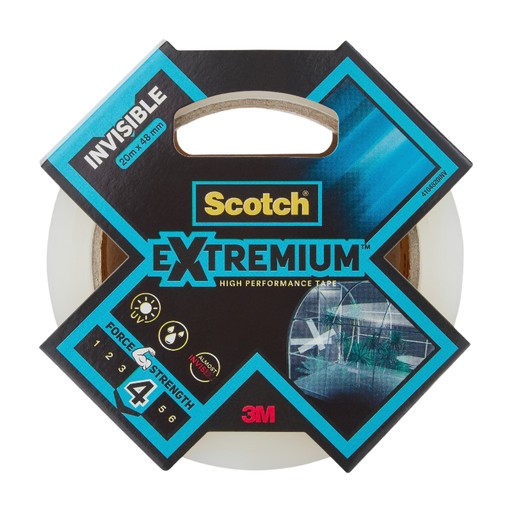
Why this model suits this profile: This tape is for those who want to repair glass or clear plastic without drawing attention to the tape itself.
Its grid-free design avoids the overly visible look of an opaque tape on a transparent surface. The area must still be perfectly clean and dry before application.
20 m length, 48 mm width, clear PET backing and adhesive described as UV-resistant and designed to minimise yellowing.
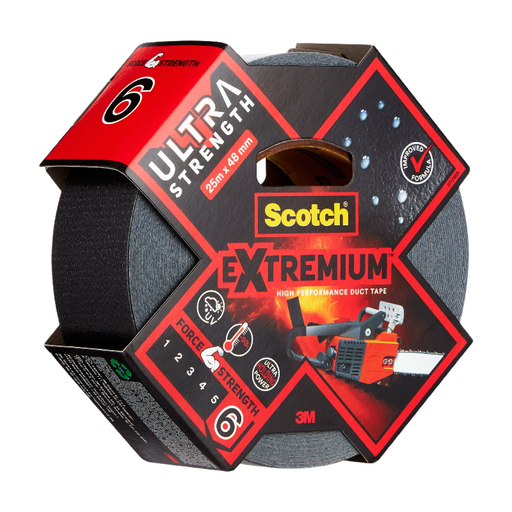
Why this model suits this profile: Its width and thick backing are ideal for demanding repairs, reinforcement and holding materials in a workshop or for DIY projects.
It prevents you from under-sizing a repair with tape that’s too thin. However, you must ensure it’s compatible with the surface – the product details mention metal, plastic and sealed concrete, with application on a clean, dry surface.
Backing described as very thick and waterproof, natural rubber adhesive, 25 m x 48 mm format and can be torn by hand.
To secure a step, staircase, ramp or damp area, choose an anti-slip tape rather than a simple repair tape. The Scotch Anti-Slip Tape Clear 5 m x 25 mm focuses on discretion, while the TAPEBEAR Safety Tape in black and yellow prioritises visibility. Neither of these products replaces repairing an unstable surface.
For laying artificial grass, a standard adhesive tape isn’t always sufficient. The Tenax Mat Seal 0.15 x 10 m is a joining strip designed to be used with a special artificial grass adhesive. It sits underneath the join between two sections; the adhesive must be applied to the non-woven surface, following the manufacturer’s instructions.
We’ve put together a comprehensive, real-time selection of products that meet these strict criteria as well as European safety regulations.
Clean the surface with a suitable product, remove dust and grease, then let it dry. Unroll the tape without touching the sticky side and press down firmly, paying extra attention to the edges. Avoid crumbly, very rough or unstable surfaces.
It all depends on the surface, exposure to water and UV, temperature changes and the tension applied. A permanent tape may be suitable for long-term fixing, but that doesn’t mean every application will hold the same in all conditions. Replace the tape if it lifts, cracks or loses its stickiness.
For a tarpaulin, plastic or outdoor repair, go for a reinforced backing, an indication of outdoor use and good water resistance. For clear glass, a transparent adhesive tape designed for that purpose will be more discreet. As for artificial grass joins, they require a dedicated strip and the specific adhesive intended for it.