
Livraison le jour même ou le lendemain

Qualité garantie

Débloquez vos offres de bienvenue: Livraison GRATUITE | Jusqu'à -80 % | 30 jours d'essai gratuits à JoyPlus
Téléchargez l'application
Hanging a picture frame, organising your cables, or putting up a shelf without reaching for the drill? It's an appealing promise, especially if you're a renter or just want to keep your walls pristine. The market for adhesive mounts is overflowing with solutions, but be warned—not all are created equal. Between unfulfilled promises of strength and stubborn glue residue, it's easy to make a mistake.
As a product expert at Joybuy, my mission is to help you get a clearer picture. Let's cut through the marketing jargon and analyse the pitfalls to avoid and the criteria that truly matter when choosing a reliable mount that's right for your needs.
To avoid making the wrong choice, ignore the advertising slogans and focus on a few key technical points.
The load capacity of an adhesive mount is inextricably linked to the nature of the surface. A heavy-duty mount will only live up to its promise on a non-porous, clean, and smooth surface (glass, tile, metal). On porous materials like plasterboard (drywall) or unfinished wood, adhesion is severely compromised.
Not all glues serve the same purpose. It is therefore crucial to distinguish between permanent and temporary, removable solutions.
For use in a bathroom, kitchen, or outdoors, the check is simple: the product must explicitly mention moisture resistance or UV resistance. Without this, the adhesive will quickly degrade under the effects of condensation, splashes, or sunlight, and will lose all effectiveness.
Here are a few products that meet specific use cases, selected according to the criteria we've just discussed.
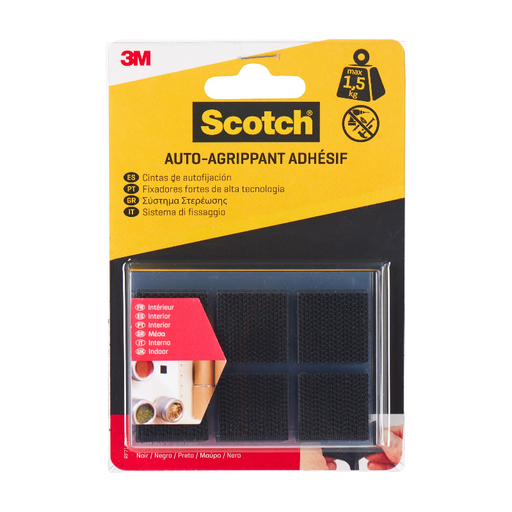
Why we recommend it: Perfect for hanging photos, posters, or small decorative items without a permanent fixture. Its 1.5 kg capacity is realistic for light use, and its simplicity makes it accessible to everyone.
This product doesn't overstate its strength. It's clearly positioned for lightweight objects, which avoids the disappointment of an unrealistic maximum load. Its design is intended for easy removal on smooth surfaces.
Simple installation and removal on smooth and painted surfaces, minimising the risk of damage for temporary fixtures.
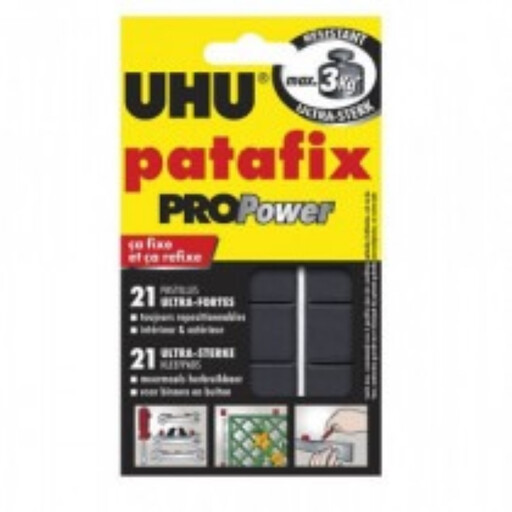
Why we recommend it: For those who want to mount heavier objects (up to an advertised 4 kg) while still having an exit strategy. Ideal for renters who want to hang a small shelf, mirror, or frame without drilling.
Its repositionable formula limits the risk of wall damage. The "moisture and UV resistant" claim makes it more versatile than classic putties, while also warning that it's not suitable for wallpaper.
It combines high bond strength for an adhesive pad with a malleable and removable formula. It's the sweet spot between power and reversibility.
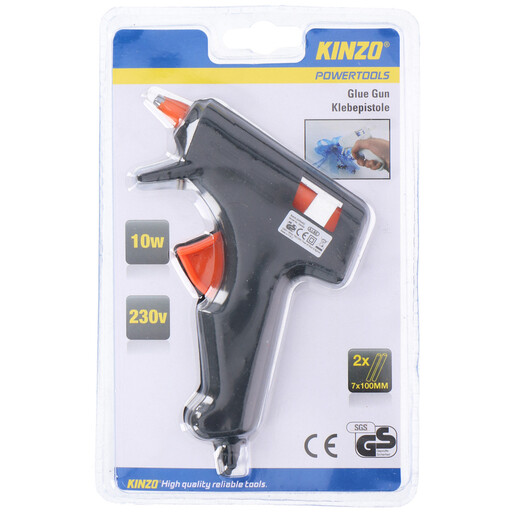
Why we recommend it: For DIYers and creatives looking for a permanent and fast bond on many materials (wood, cardboard, metal, plastic). It's the ultimate versatile tool for repairs and creations that need to last.
This product doesn't pretend to be removable: its purpose is to create a strong, permanent bond. It meets a clear need for durable adhesion and avoids the trap of "all-in-one" solutions that are often jacks of all trades, masters of none.
Its versatility across many materials and its fast setting time. The glue gun is an effective ally for strong, almost instantaneous bonds in your DIY projects.
Discover our complete selection of products that meet our quality criteria and safety standards.
It all depends on the adhesive. For putty or foam tapes, gently heat the area with a hairdryer to soften the glue. Then use dental floss or a thin plastic spatula to "saw" through the adhesive between the object and the wall. For stubborn residue, a little isopropyl alcohol on a cloth can do the trick, but always test it on an inconspicuous area first.
Caution is key, as drywall is a fragile surface. For a heavy-duty mount, adhesive alone is risky: it can tear off the surface paper layer. The best approach is to combine the adhesive with a suitable mechanical fastener (like an expansion anchor). If you're set on a 100% adhesive solution, look for a construction-grade adhesive applied over a large area to distribute the load, and scrupulously respect the curing time.
Yes, but on one condition: you must choose a model specifically designed for humid rooms. Look for labels like "for bathrooms," "water-resistant," or "waterproof." Their adhesives are formulated not to degrade with steam and condensation. For maximum effectiveness, apply the hook to a clean, dry surface (tile, glass) and wait at least 24 hours before hanging anything on it.