
Livraison le jour même ou le lendemain

Qualité garantie

Débloquez vos offres de bienvenue: Livraison GRATUITE | Jusqu'à -80 % | 30 jours d'essai gratuits à JoyPlus
Téléchargez l'application
Dreaming of a new kitchen without the budget, dust, and complexity of a full-scale project is a common wish. The adhesive kitchen backsplash emerges as the miracle solution: a quick, budget-friendly, and DIY-friendly facelift. However, the market is flooded with promises that don't always deliver. As the Head of Product Recommendations at Joybuy, I'm here to help you see clearly and make the right choice.
Before you start, it's crucial to know the three most common pitfalls that can turn an easy kitchen renovation into a costly disappointment.
To avoid these setbacks, focus on a few key technical points. They are the true guarantee of your future backsplash's durability and practicality.
The choice of material has a direct impact on appearance, durability, and maintenance.
Always check the manufacturer's recommendations. For an installation behind a cooktop, it is imperative to respect a safety distance, usually 20 to 25?cm. Induction or ceramic cooktops generate less heat on the sides than gas cooktops, but caution is still advised. For wet areas like the sink, an adhesive wall panel made of vinyl or with epoxy gel is preferable to a simple PVC sticker.
The term "adhesive" doesn't mean the product will stick to any surface. For an optimal result, the substrate must be perfectly smooth, clean, dry, and non-porous. Textured walls, existing wallpaper, or tile with deep grout lines are not suitable. A thorough cleaning to remove all traces of grease is a non-negotiable step.
Every renovation project is unique. To help you find the perfect match, we've selected a few options for different user profiles.
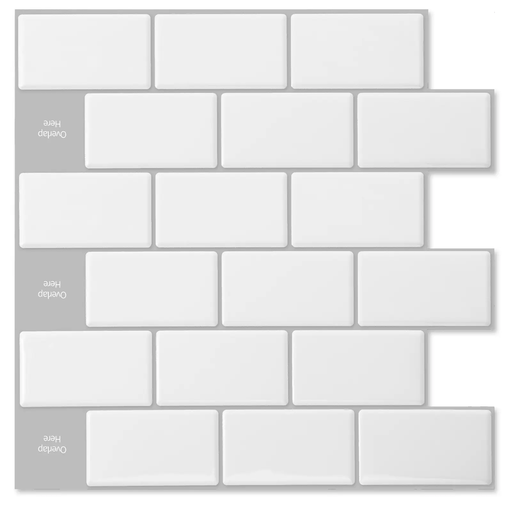
Why we chose it: Ideal for those seeking the timeless aesthetic of subway tile without the installation hassle. The glossy finish and 3D relief provide a high-quality, luminous look for the kitchen.
Its 3D epoxy gel layer provides a non-porous surface, which is much easier to clean than simple textured stickers. It creates an effective barrier against grease and water splashes.
The thicker material and pronounced 3D texture create a visual effect very close to real tile, for a more convincing and durable result.
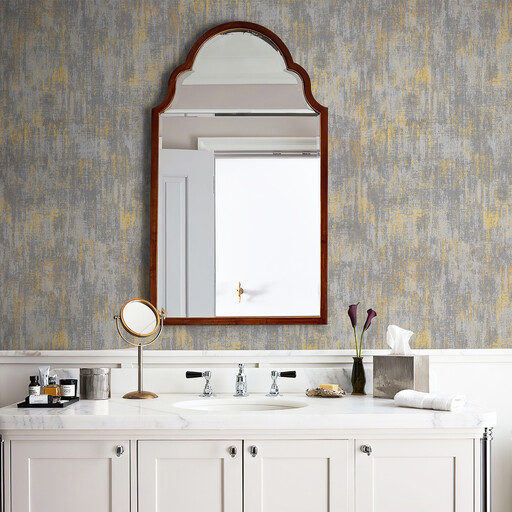
Why we chose it: Perfect for those who want to quickly modernise a large section of wall. The roll format is ideal for covering a significant area without worrying about aligning small tiles. The polished concrete style is very on-trend.
This product is a PVC wallpaper, not a tile-imitating sticker. Its use is purely decorative, which avoids false expectations regarding resistance near cooktops or sinks.
The industrial texture and non-uniform colour help to hide small wall imperfections and make the seams between strips much less visible than with a strict geometric pattern.
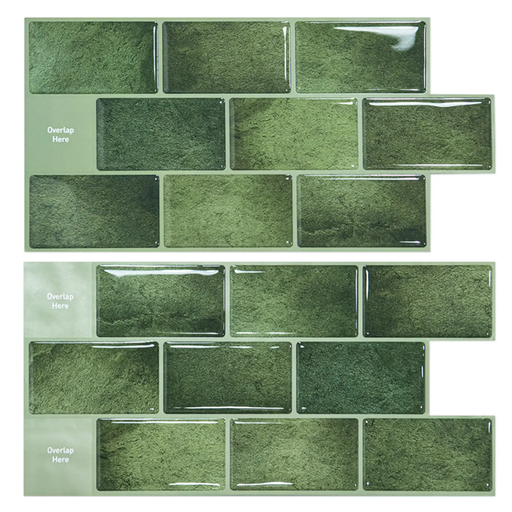
Why we chose it: Ideal for renters or those who like to change their decor often. The green colour adds a touch of modernity and freshness. The 30x30 cm sheet format allows for targeted and easy application.
The product description specifies that it is not suitable for areas with direct and constant water contact (like inside a shower), which clearly defines its limits and prevents unpleasant surprises.
The large panel size (30x30 cm) allows you to cover a surface more quickly with fewer seams, providing a more uniform look and simplified installation for a weekend project.
Explore our full selection of adhesive wall coverings to find the style and format that will transform your interior.
Yes, but under certain conditions. It is essential to choose a quality material (vinyl with epoxy gel) and always maintain a safety distance of at least 20 to 25?cm between the backsplash and the heat source, especially for gas cooktops. For extra protection, some users install a glass or stainless steel protector plate just behind the burners.
The longevity of a peel and stick kitchen tile depends on three factors: the quality of the product, the quality of the installation, and the environment. A well-made backsplash, applied to a perfectly prepared surface in a well-ventilated kitchen, can maintain its appearance for several years. Conversely, poor preparation or constant exposure to steam and grease will significantly reduce its lifespan.
These products are generally designed to be removed without leaving significant residue. On a smooth, non-porous tile surface, removal is often flawless. On a painted wall, the result depends on the quality of the paint; it's possible the adhesive may pull some of it off. To make removal easier, it is recommended to gently heat the surface with a hairdryer to soften the glue before pulling delicately.