
Livraison le jour même ou le lendemain

Qualité garantie

Débloquez vos offres de bienvenue: Livraison GRATUITE | Jusqu'à -80 % | 30 jours d'essai gratuits à JoyPlus
Téléchargez l'application
Buying wholesale Asian products helps reduce the unit price and streamline purchasing for a grocery store, restaurant, caterer, or household that regularly consumes imported goods. However, a case that looks attractive on paper can quickly become a poor investment if quantities, best-before dates, or storage conditions are not carefully anticipated.
Before ordering instant noodles, beverages, or ready-to-eat meals, focus on three key factors: the exact contents of the case, the mandatory information required for the French market, and how quickly the stock will be sold or consumed.
A case of 30 or 40 units may appear particularly cost-effective, but the unit price should be calculated carefully. Compare the number of servings, total net weight, and format of each product. A case of 40 140 g noodle packets is not equivalent to a box of 20 90 g packets.
For a wholesale Asian grocery store, the unit price helps determine the selling price. For individuals, it is more useful to calculate the cost per meal.
Dry goods can generally be stored at room temperature, but their best-before date — the familiar “best before” wording — still needs to be monitored. A large quantity of wholesale Asian instant noodles or beverages can tie up capital if sales or consumption do not keep pace.
Check the date shown on the packaging before placing your order and apply a “first in, first out” rotation system. A steep discount does not necessarily offset stock reaching its best-before date before it can be sold or consumed.
Phrases such as “authentic flavour,” “extra spicy,” or “traditional recipe” indicate the expected taste experience, but they do not replace reading the ingredients list. Recipes may vary by market and batch.
For wholesale Korean ramen, pay particular attention to the presence of wheat, soy, sesame, milk, and other allergens. For seafood noodles, also check for crustaceans or molluscs.
The number of units is the first detail to verify. Here are some of the formats available in this selection:
These figures help estimate the storage space required, the weight to be transported, and the number of sales or meals needed to move the entire case.
In France and across the European Union, allergens must be clearly identified on the applicable labelling. Check both the product page and the packaging received, particularly for products imported from China, Korea, Thailand, or Vietnam.
The most common allergens in this category include:
To sell these products in France, check upon delivery that they carry a French-language label and all required regulatory information. The online product page does not replace the product packaging.
Dry foods, cans, and porridge boxes should be stored in a dry, room-temperature location away from direct heat. Beverages should not be left in direct sunlight or exposed to high temperatures.
A dedicated shelf makes it easy to separate:
This organisation reduces inventory errors and helps businesses monitor best-before dates.
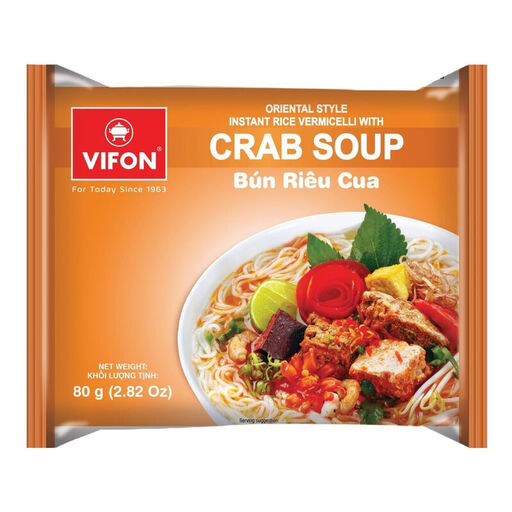
Why this format works: With 30 individual portions, this case provides a manageable stock level for a small grocery store, office, or household that enjoys quick meals.
The total weight and number of portions are clearly stated. This allows you to calculate the true cost per portion instead of relying solely on the case price.
Rice noodles, a tomato-based broth, and separate sachets of fried onion and dried vegetables.
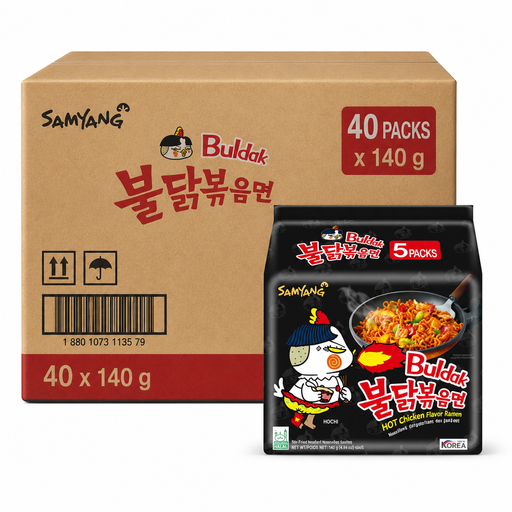
Why this format works: A case of 40 packets suits regular orders from a grocery store, food-service business, or group of customers who enjoy intensely spicy dishes.
The ingredients list includes wheat, soy, and sesame. The stated spice level should be considered before purchasing for a varied customer base.
40 portions of 140 g, quick preparation, and a separate sauce pouch for adjusting the heat to taste.
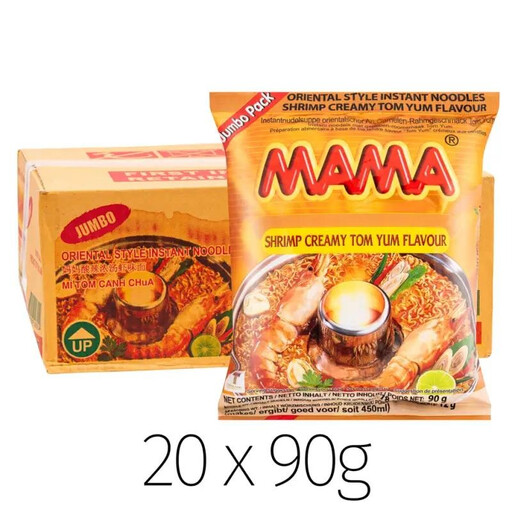
Why this format works: A box of 20 portions can support a food-service operation or professional stockroom without requiring the volume of a very large case from the outset.
The recipe contains wheat, soy, milk, and shrimp. This information must be communicated before serving or resale.
Preparation in approximately three minutes and individual packaging that is easy to distribute.
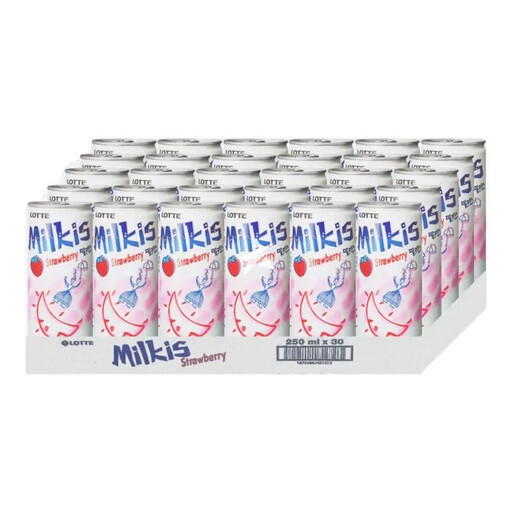
Why this format works: The 30 250 ml cans are well suited to events, a Korean beverage section, or a purchase intended for sharing.
The beverage contains milk and sugar. The nutrition information lists 46 kcal and 11 g of sugars per 100 ml; always check the label on the batch received.
An individual can format and a 30-unit case, making the drinks easy to store and distribute.
We have brought together an up-to-date selection of products packaged in multipacks and cases to help you buy Asian products in large quantities.
Start with a format suited to your actual consumption. A box of 20 to 30 portions allows you to test demand before moving to a larger volume. For a grocery store, it is better to try several flavours — Korean, Vietnamese, and Thai — than to allocate your entire budget to a single product.
Store cans and bottles in a cool, dry place away from direct sunlight. Check the date shown on each package. Once opened, follow the manufacturer’s recommendations: some beverages must be refrigerated and consumed quickly.
They can be, provided that the packaging, date, allergen information, and labelling intended for the French market comply with applicable requirements. For professional use, check traceability, delivery conditions, and the obligations applicable to cased Asian food products before placing them on shelves or serving them.