
Livraison le jour même ou le lendemain

Qualité garantie

Débloquez vos offres de bienvenue: Livraison GRATUITE | Jusqu'à -80 % | 30 jours d'essai gratuits à JoyPlus
Téléchargez l'application
On paper, the washer-dryer is the perfect solution: a significant space and time saver, especially for those in apartments or looking to optimise their laundry room. However, behind this practical promise lie marketing traps that can quickly turn the dream into a disappointment. Before you invest, it's crucial to learn how to decode spec sheets to choose an appliance that truly meets your needs—without sending your electricity bill through the roof.
We'll explain how to avoid the most common pitfalls to make the right choice.
The "All-in-One" Capacity Illusion: The main promise? The ability to run a wash and dry cycle back-to-back without interruption. The catch? The drying capacity is almost always lower than the washing capacity (sometimes by half!). A model with a 10?kg wash capacity might only be able to dry 5 or 6?kg of laundry. If you don't check this, you'll be forced to remove half of your clean, damp laundry before starting the dry cycle, which defeats the entire purpose of the appliance.
The Misleading Energy Label: Since the new regulations, energy labels have become clearer, provided you know how to read them. A class A washer-dryer often only achieves this excellent rating for its wash cycle alone. The consumption for the complete cycle (wash + dry) is listed separately and often plummets to a D or E rating. And it's this second rating that will weigh heavily on your electricity bill.
The Overload of Useless Features: Manufacturers compete to pile on connected programs and options. While a smart washer-dryer can be handy for monitoring a cycle remotely, many of these complex, even gimmicky, features will never be used... but they do drive up the price. It's better to focus on programs that are genuinely useful for everyday life.
To make the right choice, focus on a few key criteria that will make all the difference for your household.
As mentioned, this is the most critical point. For hassle-free use, look for a balanced ratio.
The energy label displays two separate ratings on a scale from A to G:
Rather than getting lost in dozens of programs, identify the ones you'll actually use:
To help you, we've selected a few models that stand out from the crowd and meet specific needs, all while avoiding the traps we've mentioned.
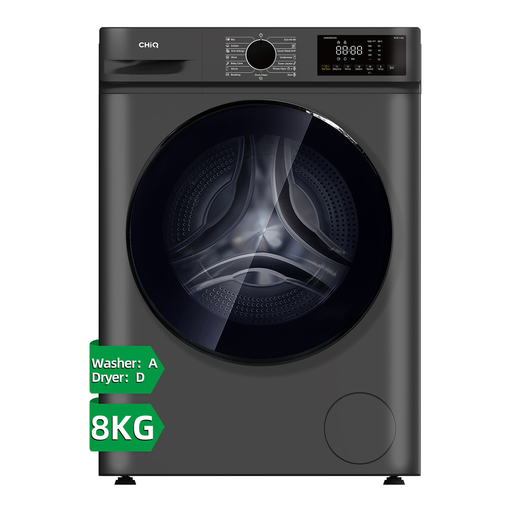
Its 2-in-1 design and shallow depth (520 mm) make it the perfect solution for integrated kitchens or small laundry rooms—a real headache in modern apartments. This slim washer-dryer frees up precious space.
This model is transparent about its performance (Class A for washing, D for drying), which prevents nasty surprises on the electricity bill. Its primary mission is to save space, a promise it keeps without overselling an unrealistic drying efficiency.
Its Inverter motor is quiet, a major asset in a small living space. The 15-minute quick wash cycle is perfect for everyday emergencies.
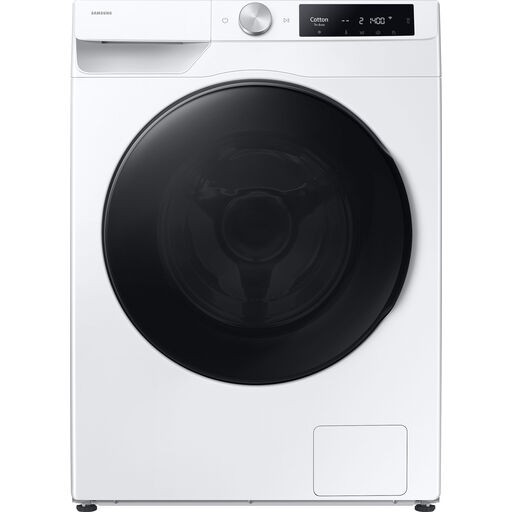
With its 11 kg washing capacity, it effortlessly handles bulky loads from large families. Its hygienic steam cycle is a real bonus for households with children or people with sensitive skin.
It avoids the gimmick trap by integrating smart features that actually make sense: the SmartThings app and automatic detergent dispensing simplify daily life and optimise consumption. Here, the technology justifies the investment.
Impeccable washing performance (class A washer-dryer). The AI Wash and AI Energy Mode technologies adjust cycles to optimise consumption and guarantee energy savings.

The Woolmark certification is a seal of approval for caring for woollens. The steam cycle, meanwhile, eliminates bacteria and odours—a reassuring feature for sensitive skin and for keeping baby clothes hygienic.
It tackles the main weakness of these appliances: drying capacity. With a generous 10 kg / 7 kg ratio, it finally allows you to run a wash and dry cycle for genuinely large loads, making the 2-in-1 concept truly practical.
Its large 7 kg drying capacity. Its BLDC motor, which is both quiet and durable. Its excellent Class A rating for washing.
Your machine's effectiveness also depends on the detergent you use.
Discover our complete selection of products that meet our demanding selection criteria and European safety standards.
The estimated lifespan of a washer-dryer is between 7 and 10 years, which is comparable to that of a standard washing machine. However, be aware: this 2-in-1 appliance has more components (heating element, ventilation circuit, etc.). Regular maintenance is therefore essential to make it last: remember to clean the lint filter after each drying cycle and run a drum self-cleaning cycle once a month.
In wash-only mode, consumption is almost identical. It's the drying function that is very energy-intensive. A complete cycle (wash + dry) consumes much more electricity and water than a standard wash followed by drying in a dedicated appliance (especially a heat pump model). The washer-dryer, therefore, remains a solution to be favoured primarily for its space-saving benefits.
Yes, absolutely. Almost all models offer a dry-only program. You can use it to dry hand-washed items or a load that doesn't need to be rewashed. The only golden rule: be sure to respect the maximum drying capacity of the appliance, which, as a reminder, is always lower than its washing capacity.