
Livraison le jour même ou le lendemain

Qualité garantie

Débloquez vos offres de bienvenue: Livraison GRATUITE | Jusqu'à -80 % | 30 jours d'essai gratuits à JoyPlus
Téléchargez l'application
A spicy Asian fish snack can be crunchy, chewy, smoky, fiery or lifted by the numbing ‘mala’ sensation of Sichuan pepper. But colourful packaging and promises of authentic flavours aren’t enough to help you make the right choice. To avoid surprises, take a closer look at the ingredients, salt content and pack size.
Here are the main pitfalls to look out for before buying spicy dried fish, dried anchovies or a spicy seafood snack.
Two products with similar names can have very different ingredients. Some snacks are made with whole fish or fillets, while others combine squid, surimi, wheat flour, starch and chilli sauce.
The proportion of fish shown in the ingredients list is a useful first point of reference. For example, some Jin Zai products contain around 69% anchovies, while several Taro fish snacks list between 72.6% and 80% fish, depending on the product.
‘Spicy’ doesn’t always mean the same thing when it comes to flavour. A Thai fish snack might focus on chilli and barbecue, while a Chinese product may combine garlic, ginger, soy sauce or Sichuan pepper. The result could be properly fiery, smoky, sweet and savoury, or slightly numbing.
To find the flavour you’re after, look for chilli, barbecue, mala, soy sauce, Sichuan pepper or Namprik in the description and ingredients.
Drying intensifies flavours, but the seasoning can also increase the salt or sugar content. As a guide, the products featured list around 1.6 g to 6.6 g of salt per 100 g.
Before buying, check for fish, soya, gluten, crustaceans, molluscs, peanuts, sesame, milk or sulphites. In France, the information on the packaging of the product being sold is the one to rely on, especially if you have an allergy or intolerance.
Whole dried anchovies usually have a firm texture and a satisfying chew. Prepared fish fillets are often more tender, while a mix containing squid and surimi will give you a chewier bite.
If you’re looking for a high-protein snack, compare the nutritional values per 100 g, and remember to check the actual weight of the pack. The products featured contain around 15 g to 31.8 g of protein per 100 g, depending on the recipe.
Individual 8 g to 12 g sachets are easy to pop in your bag for a break at work, university or on the train, or to add to a lunchbox. They also limit exposure to moisture after opening. Smaller 20 g packs are better suited to an occasional treat or a selection of flavours.
A larger pack may be a good choice if you eat these snacks regularly, but check the storage instructions and seal it carefully after opening.
Ingredients are listed in descending order by proportion. Pay particular attention to oils, sugars, sauces, sweeteners, preservatives and flavour enhancers. Some Taro recipes contain the colourings E110 and E102, which come with a regulatory warning about children’s activity and attention.
This information doesn’t tell you whether a product is right or wrong in itself. It mainly helps you choose a recipe that suits your tastes and dietary needs.
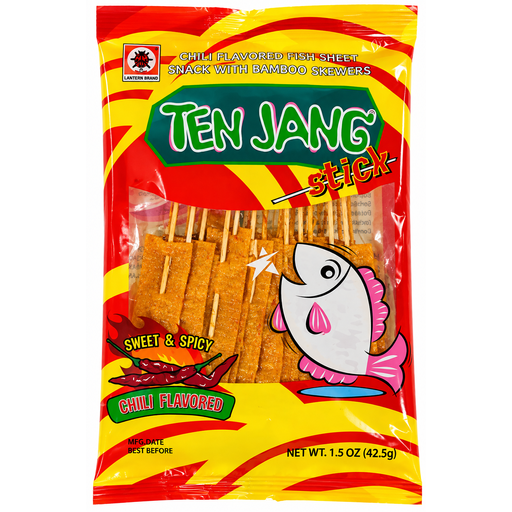
Why it suits this preference : At 42.5 g, this pack lets you try a Thai fish snack with a barbecue flavour without ending up with a large stash.
The product details state that it contains 72.6 % fish and clearly list the allergens, rather than focusing solely on the barbecue sauce.
A soft, slightly chewy texture, 16.3 g of protein and ready-to-eat convenience.
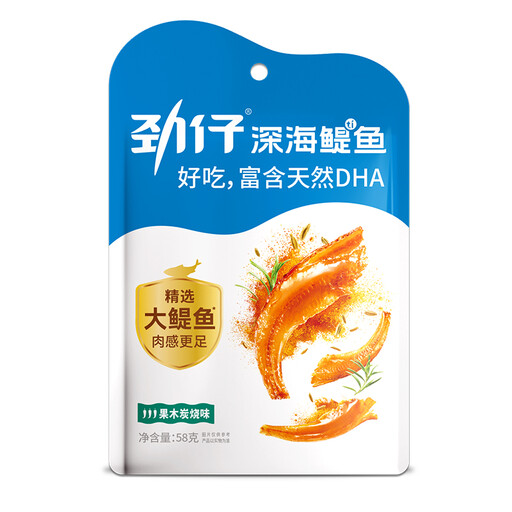
Why it suits this preference : Its recipe brings a smoky fruitwood note, offering a change from more familiar spicy seasonings.
The product details specify 74 % anchovies and list 30 g of protein per 100 g.
A distinctive smoky flavour, 58 g of product and an anchovy-focused recipe.
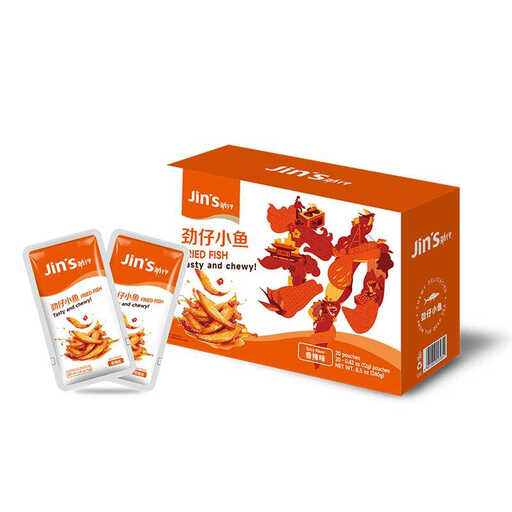
Why it suits this preference : The 20 individual 12 g sachets are ideal for regular breaks, days out or sharing.
Individual packs limit exposure to moisture after opening, so you don’t have to finish a large bag in one go.
69 % anchovies, 28.5 g of protein per 100 g and a handy size for lunchboxes.
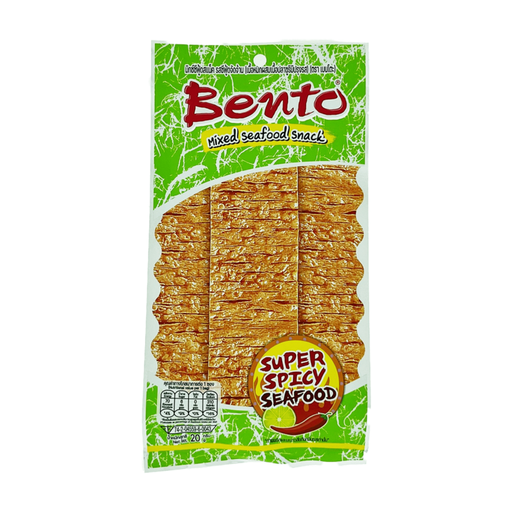
Why it suits this preference : This small pack combines several types of seafood in a recipe described as super spicy, for a short but intense tasting experience.
The product details list the main allergens — fish, prawns, squid, soya and wheat — so you can see what’s in it.
A seafood mix, 18 g of protein per 100 g and a handy size for taking with you.
A 20 g to 42.5 g pack lets you try a flavour without buying a large packet. If you’re new to these snacks, a barbecue or mildly spicy recipe is usually easier to enjoy than a ‘super spicy’ or mala option.
Store the pack in a cool, dry place away from direct sunlight, following the instructions on the label. After opening, reseal it carefully and follow the manufacturer’s guidance. For some of the stick-packed products featured, the product details recommend eating them soon after opening and, in some cases, keeping them in the fridge.
Several products have a noteworthy protein content per 100 g. However, you should also consider the salt, fat and carbohydrate content, as well as the portion you actually eat. This is still a snack, not personalised nutritional advice.