
Livraison le jour même ou le lendemain

Qualité garantie

Débloquez vos offres de bienvenue: Livraison GRATUITE | Jusqu'à -80 % | 30 jours d'essai gratuits à JoyPlus
Téléchargez l'application
A fish snack can take many forms: squid strips, spicy dried fish, fish crackers, seafood-flavoured crisps or fish-based savoury biscuits. It’s a great way to add variety to your snacking, but it can also be confusing. Just because a product sounds like seafood doesn’t mean it actually contains a meaningful amount.
Before you place an order, three common pitfalls keep cropping up: mistaking a flavouring for a main ingredient, underestimating the salt content, and overlooking storage requirements. Here are the criteria to check so you can find the right product for a solo break, a drinks party or a quick meal on the go.
Labels such as “seafood flavour”, “grilled squid” or “caviar” can simply refer to a flavouring added to a base of potatoes, flour or cereals. Fish-flavoured crisps are not necessarily seafood products.
To find out what the product actually contains, start with the ingredients list, which is presented in descending order by weight. When squid, fish or surimi appear among the first few ingredients, that’s a much better indicator than a simple seasoned flavouring.
Small packets of Asian fish snacks are very easy to eat — sometimes a little too quickly. However, nutritional values are usually given per 100 g, not for the whole packet. A product with between 4.8 g and 6.6 g of salt per 100 g can therefore represent a significant amount, even in a packet that looks light.
Always compare the portion you actually eat with the nutrition table. The sugar content is also worth a look, especially with spicy dried fish prepared using sauce, sugar or syrup.
Dry products, such as fish crackers or seasoned strips, are generally fine stored at room temperature in a dry place. Once you’ve opened the packet, seal it carefully to keep it crispy or chewy.
Breaded fillets and other frozen products, on the other hand, need to be kept at −18 °C. They aren’t ready-to-eat snacks. So check the storage instructions before you buy, particularly if you’re planning to order several different items.
To choose a genuine seafood snack, look for the percentage of raw ingredient. The BENTO Extra spicy fish snack seafood flavour, for example, states 40% squid and 30% surimi. The Taro Hot Chilli Fish Snack, meanwhile, mentions 80% lizardfish.
These figures don’t tell you everything about the taste, but they do help you tell the difference between a product that’s genuinely made with fish and a simple flavoured crisp.
For a break at the office or a journey, go for a ready-to-eat product. For a quick meal, a frozen format of 250 g to 400 g is more practical, provided you have enough space in your freezer.
Depending on the recipe, you may find fish, molluscs, crustaceans, gluten, soya, milk, peanuts or sesame. A crab flavouring can also be associated with crustacean allergens, depending on how it’s formulated.
Take the time to read the whole label, especially if you’re looking for a Thai snack that fits certain dietary requirements. The presence of flavour enhancers, acidity regulators or sweeteners doesn’t automatically mean the product is one to avoid, but it’s better to know what you’re buying before you order.
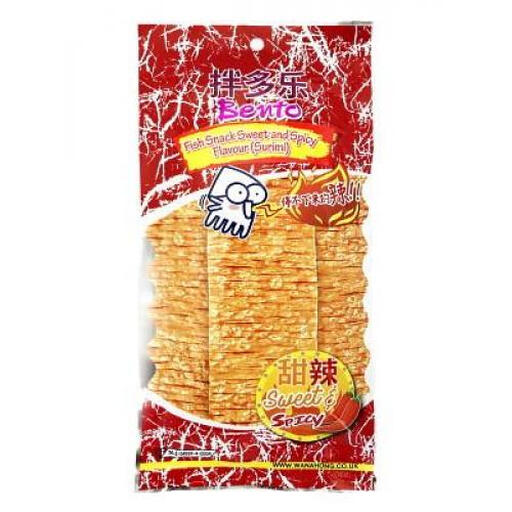
Why this choice suits this profile: At 20 g, this packet lets you try a sweet and spicy recipe without being left with a large bag. It’s ideal for an individual break and can be stored at room temperature in a dry place.
The ingredients list shows 40% squid and 30% surimi. The presence of seafood is therefore clearly established, going beyond a simple flavouring.
A 20 g format, Thai origin and room-temperature storage. The recipe contains fish and gluten, and may contain traces of peanuts.
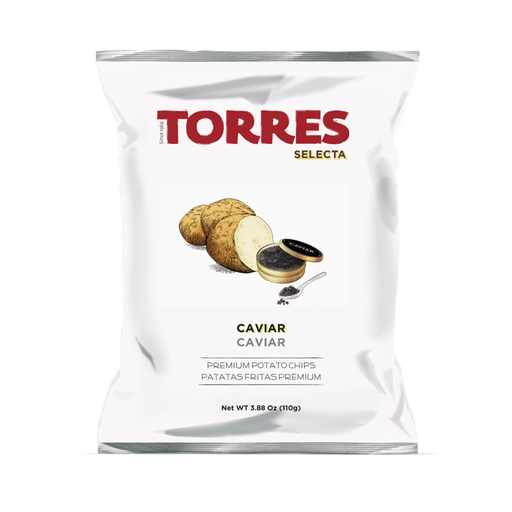
Why this choice suits this profile: At 110 g, this format fits perfectly for a drinks party when you want something a bit more refined, with a caviar flavour on a crisp base.
The product page clearly distinguishes the two elements: 3% caviar flavouring and 0.18% dried caviar. So there’s no risk of confusing the flavouring with the actual raw ingredient.
A ready-to-eat product, to be stored in a cool, dry place. The page lists fish among the allergens and states 0.85 g of salt per 100 g.
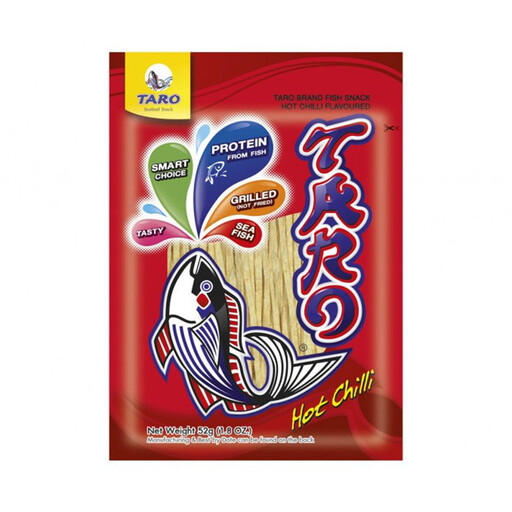
Why this choice suits this profile: Its 52 g make it ideal for a more substantial break at work or on the go, or for sharing at a drinks party.
The product page states 80% lizardfish, which rules out the scenario of a simple flavoured crisp. However, its salt content of 6.6 g per 100 g is worth noting.
A texture described as soft and melt-in-the-mouth, 23 g of protein per 100 g and room-temperature storage. The product contains fish, gluten, soya, milk and sulphites.
Yes. Dry products and ready-to-eat Asian snacks are generally designed to be eaten as they are. However, do check the instructions on the packaging and reseal the packet if you don’t finish it straight away.
Keep it at room temperature in a dry place away from heat. After opening, an airtight seal will help preserve its texture. Also remember to check the best-before date on the packaging.
Fish crackers usually contain a paste or mixture made from fish, surimi or fish paste. Fish-flavoured crisps are more often made from potatoes and then seasoned with a flavouring. The ingredients list and the percentage of raw ingredient will help you tell the difference.