
Livraison le jour même ou le lendemain

Qualité garantie

Débloquez vos offres de bienvenue: Livraison GRATUITE | Jusqu'à -80 % | 30 jours d'essai gratuits à JoyPlus
Téléchargez l'application
Sparkling water is now available in large family-size bottles, individual cans, natural mineral waters and flavoured beverages. This variety makes it easier to find a suitable option, but it can also make it harder to compare products with completely different compositions.
Before buying sparkling water for meals, outings or everyday consumption, three pitfalls come up particularly often:
For plain sparkling mineral water, check whether the list contains simply natural mineral water and carbon dioxide. This is the case with several Badoit, San Pellegrino, La Salvetat and Rozana products featured in this selection.
A flavoured sparkling water can have a very different composition. For example, QDOL Pokémon grape drink contains glucose-fructose syrup and provides 43 kcal and 10.6 g of sugars per 100 ml. It is therefore better suited to people looking for a sweet, flavoured drink than to those who want to replace plain water.
For a sugar-free option, the QDOL Pokémon grape flavour lists 0 g of sugars and 0 kcal per 100 ml, with sweetener. San Pellegrino Dolce Ciao, meanwhile, provides 0 g of sugars and 2 kcal per 100 ml, with 3% fruit juice and citrus flavours.
The displayed price is not enough to assess a pack. Calculate the total volume:
Once opened, most bottles should be resealed and stored in the refrigerator. The product guidance generally recommends consuming cans within 24 to 48 hours, or certain bottles within 2 to 3 days, to minimise the loss of carbonation. Always check the label of the product you receive.
Natural mineral waters do not all have the same profile. San Pellegrino, for example, lists 164 mg/L of calcium, 49.5 mg/L of magnesium and 854 mg/L of dry residue at 180°C. Evian sparkling water has a lighter mineral profile, with 80 mg/L of calcium, 26 mg/L of magnesium and 360 mg/L of bicarbonates.
Badoit Rouge lists 190 mg/L of calcium, 85 mg/L of magnesium and 1,300 mg/L of bicarbonates. Rozana lists 160 mg/L of magnesium. These figures allow you to compare waters objectively without turning their composition into a medical claim. Anyone following specific dietary guidance should seek advice from a healthcare professional.
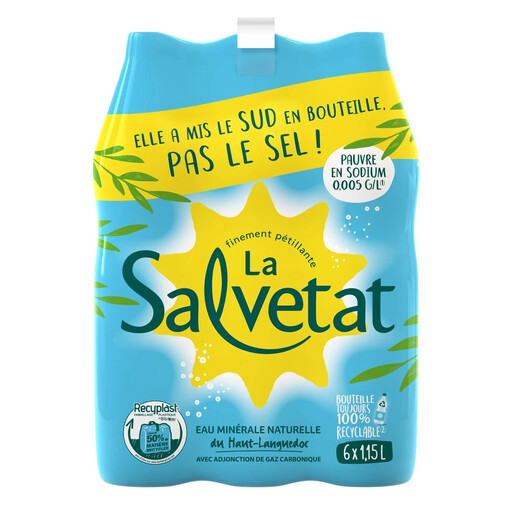
Why it suits them: A pack of six 1.15-litre bottles for building up a home supply without accumulating smaller formats.
The composition is stated as sparkling natural mineral water, with no added sugars or flavours. The total volume is clearly shown: 6.9 litres.
0 kcal and 0 g of sugars per 100 ml according to the information provided; salt content listed as 0.0005 g per 100 ml.
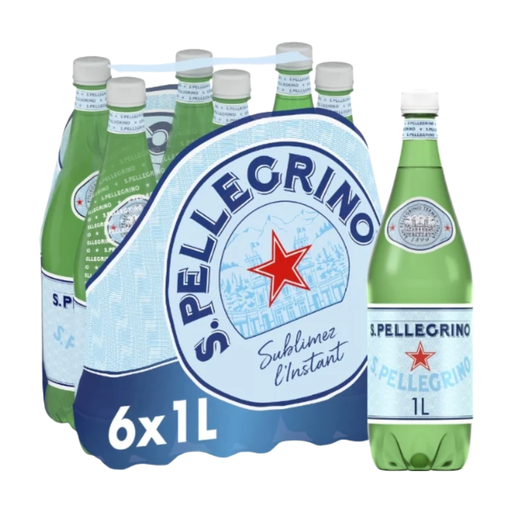
Why it suits them: A large format for serving with meals and sharing on social occasions, with a detailed mineral composition.
This is natural mineral water with added carbon dioxide, not a sweetened flavoured drink.
0 kcal and 0 g of sugars per 100 ml; published mineral profile, including 164 mg/L of calcium and 49.5 mg/L of magnesium.
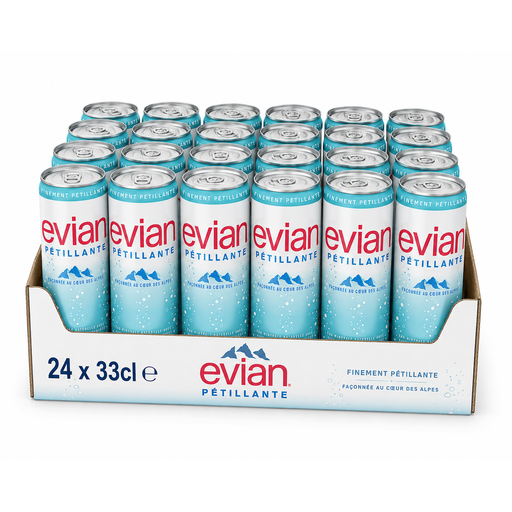
Why it suits them: The can format makes serving easy at meals, picnics, events or while travelling, with 24 individual 330 ml cans.
The packaging is designed for individual servings, so there is no need to open a large bottle for a single drink.
French natural mineral water with added carbon dioxide; 0 kcal and 0 g of sugars per 100 ml.
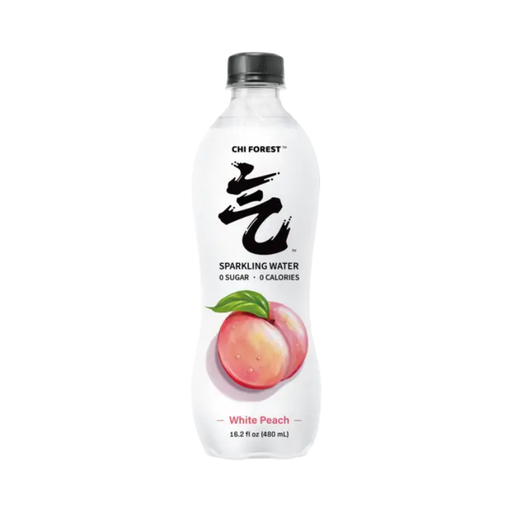
Why it suits them: Peach-flavoured sparkling water in an individual serving for anyone looking for a fruity note without sugar.
The product details state 0 g of sugars and 0 kcal per 100 ml. However, the presence of erythritol, sucralose and flavours should be taken into account.
480 ml format; peach flavour; beverage marketed as sugar-free and calorie-free.
We have brought together an up-to-date selection of products meeting different criteria for composition, format and packaging in France.
No. Plain sparkling mineral water generally contains 0 g of sugars. However, some flavoured sparkling waters and fizzy drinks contain sugar, fruit juice or sweeteners. The nutritional information per 100 ml makes the distinction easy to see.
Packs of 6 × 1 litre or 6 × 1.15 litres are well suited to home storage and table service. For days out, 330 ml cans and 500 ml bottles help reduce waste after opening. Compare the total volume, available storage space and consumption frequency before placing your order.
Reseal it carefully and place it in the refrigerator. To preserve the carbonation, it should generally be consumed within two to three days, or within 24 to 48 hours for individual formats, depending on the manufacturer’s guidance. Avoid heat, direct sunlight and freezing.