
Livraison le jour même ou le lendemain

Qualité garantie

Débloquez vos offres de bienvenue: Livraison GRATUITE | Jusqu'à -80 % | 30 jours d'essai gratuits à JoyPlus
Téléchargez l'application
Sparkling lemonade is so much more than a simple lemon soda. It's a true summer staple, a refreshing drink that's constantly being reinvented. But with shelves overflowing with new options, it's hard to know where to start. Between promises of "natural flavours" and "low sugar" labels, how can you tell the difference between a gem and a disappointment? This guide is here to arm you against marketing ploys and help you make the right choice—the one that truly suits your taste.
Before you fill your shopping cart, keep an eye out for these three common mistakes that could spoil your tasting experience.
To hit the mark every time, here are the points to check before you head to the checkout.
The ingredients list is your best friend. Pay close attention to these points:
The packaging of your sparkling drink should match your habits.
Classic sparkling lemonade is a timeless favourite, but the soft drink aisle is full of hidden gems. A flavoured lemonade with raspberry, blood orange, or even ginger can completely transform the experience. Don't hesitate to step off the beaten path to mix things up!
To guide you, here are a few products that caught our eye, each catering to a specific need.
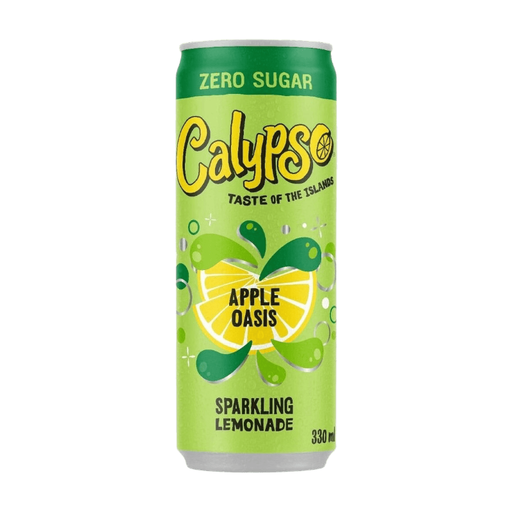
Why we recommend it: It's the perfect solution for enjoying a flavourful drink with no sugar or calories. Ideal for a guilt-free refreshing break.
It plays the transparency card to counter the "light" myth: zero sugar and zero calories. The sweeteners (sucralose and acesulfame K) are clearly listed, so there are no nasty surprises.
The original apple-lemon combination offers a fruity and tangy taste, without the chemical aftertaste often found in sugar-free drinks.
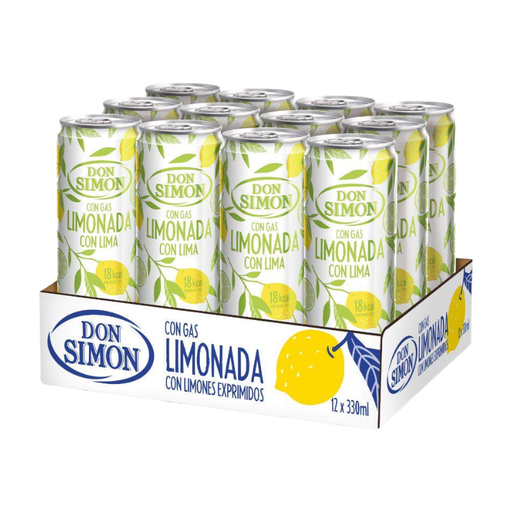
Why we recommend it: This pack is the ultimate economical and practical solution for family meals, birthday parties, or simply stocking up on cold drinks at home.
It solves the packaging puzzle. With this 12-can pack, the cost per unit drops, and you're guaranteed a perfectly fizzy drink every time.
Its 10% lemon and lime juice content ensures an authentic taste and a truly refreshing sensation. All for a very reasonable calorie count (18 kcal / 100 ml).
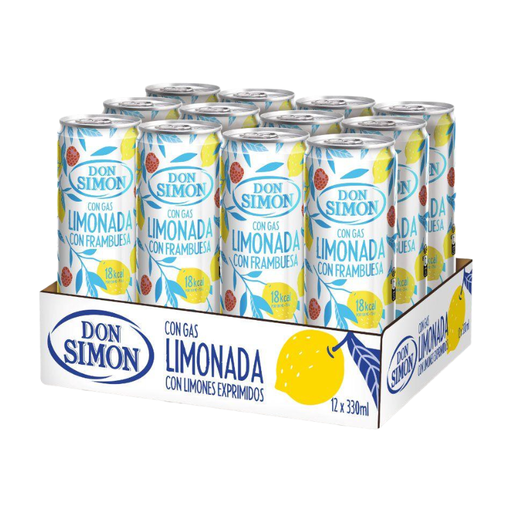
Why we recommend it: Want a change from traditional lemon? This raspberry version is a fruity and original alternative, perfect for spicing up an aperitif or a sweet break.
No bluffing about "natural flavours" here. The label is clear: 10% lemon juice and 0.5% raspberry purée. A transparency you can taste.
The perfect balance between the acidity of lemon and the sweetness of raspberry. A light, pleasant, and low-calorie drink (18 kcal / 100 ml).
Discover our complete selection of products that meet our quality criteria and comply with current regulations.
A "light" (or reduced-sugar) lemonade must simply contain at least 30% less sugar than a standard reference product. Therefore, it still contains sugar. In contrast, a "sugar-free" drink must not exceed 0.5 g of sugar per 100 ml. The sweet taste comes exclusively from sweeteners.
To keep the bubbles as long as possible, reseal the bottle tightly and store it upright in the refrigerator. Ideally, consume it within 48 hours. After that, it will likely be much less fizzy.
It all depends on the brand. This is where reading the label becomes crucial. Look for terms like "juice from concentrate" or "purée" and, most importantly, the associated percentage. If you only see the word "flavours," there's a high chance the drink contains only trace amounts of fruit, if any at all.