
Livraison le jour même ou le lendemain

Qualité garantie

Débloquez vos offres de bienvenue: Livraison GRATUITE | Jusqu'à -80 % | 30 jours d'essai gratuits à JoyPlus
Téléchargez l'application
A true social media phenomenon, blue drinks fascinate with their vibrant colour and promise of exoticism. Whether it's a trendy Asian soda or a refreshing blue lemonade, their appeal is undeniable. But be warned: behind the aesthetics lie subtleties that can quickly lead to disappointment. As Head of Product Selection at Joybuy, my mission is to help you make an informed choice. Follow our guide to avoid the common pitfalls and find the blue drink that's perfect for you.
blueberry flavour. Many drinks, especially lemonades, get their colour from a simple food colouring (like E133) while offering a lemon or citrus aroma. You can easily end up with a lemon-flavoured drink when you were expecting the sweetness of a berry.sugar-free drink doesn't mean it's a drink without a sweet taste. To advertise zero calories, manufacturers resort to sweeteners (stevia, sucralose, etc.). While some don't mind them, others perceive a chemical aftertaste that can ruin the experience. It's therefore crucial to check which type of sweetener is used.blueberry ramune bottle with its famous glass marble is fun to open once, but it's hardly ideal for drinking on the go. Similarly, a Korean drink in a pouch is very trendy, but it assumes you have a glass and ice on hand to enjoy it fully.To make the right choice, a quick look at the label is all it takes. This information will help you find the product that matches your tastes and habits.
First step: distinguish the origin of the taste from that of the colour.
The type of sweetener used impacts both the calorie content and the taste profile.
sugar-free or low-sugar drink. The choice will depend on your tolerance and sensitivity to their distinctive taste.The format and type of drink (sparkling or still) are crucial depending on the occasion.
Here are a few products that tick all the boxes, for different profiles and preferences.
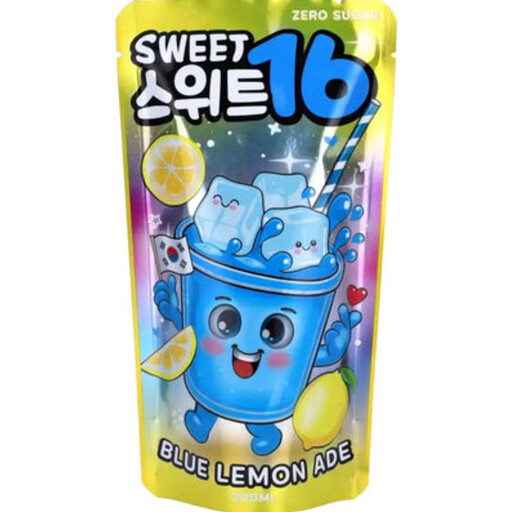
Why it's a great choice: Ideal for those who want to recreate the vibe of a Seoul café at home. This Korean drink in a pouch is designed to be poured over a large glass of ice, creating a very "Instagrammable" result and a refreshing, calorie-free break.
The name "Blue Lemonade" makes it clear (no pun intended): the taste is lemon, not blueberry. It embraces its status as a sugar-free drink by using sweeteners for a nearly zero calorie content (only 1 kcal).
Zero sugar and ultra-low in calories. Its pouch format is perfect for preparing a stylish drink at home.
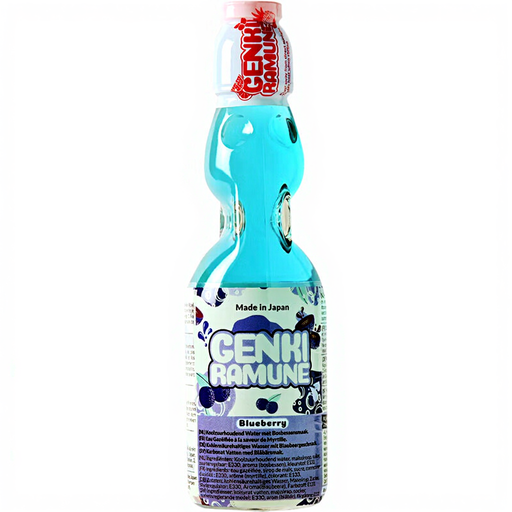
Why it's a great choice: A must-have for fans of Japanese pop culture. Ramune is more than a soda: it's an experience. Opening the bottle by pushing down the glass marble is a playful little ritual, making it the star of a get-together with friends or an original solo treat.
This product is upfront: it's a fun, sweet Asian soda. Its main selling point is the experience, not its nutritional profile. The flavour is clearly stated: blueberry ramune.
Its unique opening with the glass marble. A sweet and sparkling blueberry taste, typical of Japanese sodas.
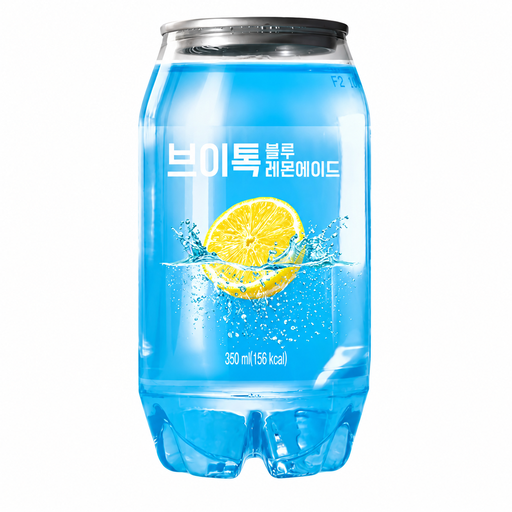
Why it's a great choice: For those looking for a simple, effective, and refreshing blue lemonade, no fuss. The 350 ml can format is ultra-convenient: easy to carry, store, and perfect for a thirst-quenching break at any time.
This product gets straight to the point: a blue-coloured, lemon-flavoured sparkling drink. No ambiguity about the taste. The can format is a classic, with no surprises or complicated handling.
Its practical and generous can format (350 ml). A citrusy, sparkling, and ultra-refreshing taste.
We've put together a complete, up-to-date selection of products for you that meet our criteria and current regulations.
The main difference lies in the carbonation (the bubbles). A classic lemonade is carbonated (sparkling). In contrast, an 'ade', a very popular term in South Korea, refers to a non-carbonated (still) fruit drink, which is traditionally served with plenty of ice. The format is also different: 'ades' often come in pouches.
Opening it is part of the fun! Remove the plastic film around the cap. You'll find a small plastic plunger. Place it on top of the glass marble, then press down firmly in one sharp motion until the marble drops into the bottle. A tip: do it on a stable surface to avoid splashes.
E133 is a synthetic food colouring, authorised in France and the European Union to colour food and drinks blue. Although it is considered safe by health authorities, European regulations require certain products containing this colouring (sometimes in combination with others) to carry the following warning statement: "may have an adverse effect on activity and attention in children." This is important information, especially if the drink is intended for young children.