
Livraison le jour même ou le lendemain

Qualité garantie

Débloquez vos offres de bienvenue: Livraison GRATUITE | Jusqu'à -80 % | 30 jours d'essai gratuits à JoyPlus
Téléchargez l'application
Shoes piling up in the entryway, the closet, or at the foot of your bed? It's a problem we all know. A good shoe storage solution seems like the miracle cure, but the market is flooded with products that promise the world and disappoint in practice. Before you invest, it's best to know the common pitfalls so you can make a smart choice that will serve you for years.
As a Product Recommendation Manager at Joybuy, my mission is to help you see things more clearly. Let's forget the marketing jargon and get straight to what really matters.
Many storage solutions look great in photos but reveal their flaws with use. Here are the most common issues:
To avoid these traps, focus on a few simple but decisive criteria.
The choice of material has a direct impact on the longevity and stability of your storage unit.
Your storage needs change over time. A modular solution offers game-changing flexibility.
Never rely solely on the number of pairs indicated. Take a tape measure and check three key dimensions:
Rather than an impersonal list, here are concrete solutions for specific profiles, selected based on quality and practicality.
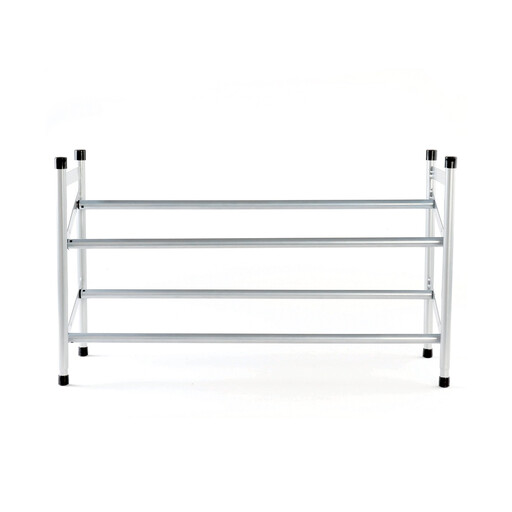
Why we love it: Perfect for those whose needs change. Start with one rack in a small entryway, and add a second one later if your collection grows. Simple and effective.
Its epoxy-coated metal structure ensures excellent sturdiness and good resistance to rust. No more flimsy materials that degrade in a few months.
Its stackable design allows you to adapt the storage capacity. Bonus: no assembly required.
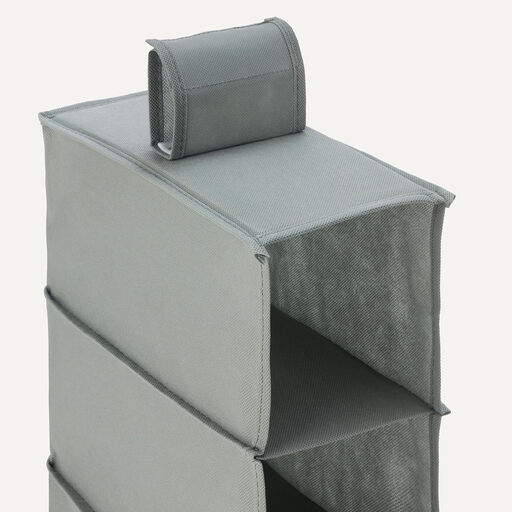
Why we love it: The perfect solution for renters or anyone who wants to avoid floor-standing furniture. It optimises the often-wasted vertical space in a closet, keeping shoes out of sight and free from dust.
Its open design in breathable fabric prevents confinement and bad odours. It's foldable and easy to store when not in use.
Optimises vertical closet space. Folds away for storage in the blink of an eye.
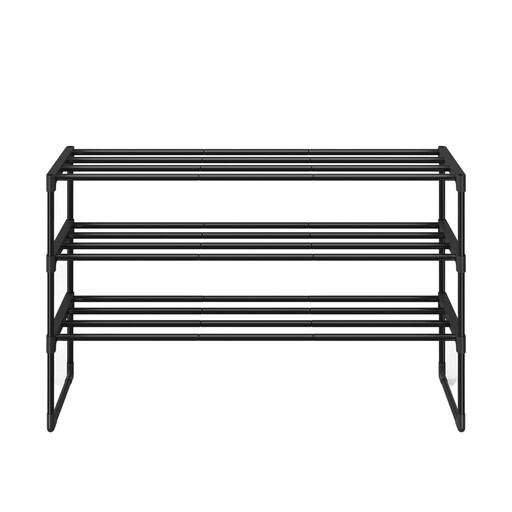
Why we love it: With its capacity for 16 to 20 pairs and its 92 cm width, this rack is designed for families or collectors looking for an extra-large solution for the entryway or closet.
Its sturdy metal frame supports up to 10 kg per tier, preventing the sagging typical of large, low-quality furniture.
Very large capacity (16-20 pairs). Versatile assembly: stack it or place units side-by-side to fit your space.
Explore our full selection of products that meet our criteria for quality and durability.
Measure your available space (width, depth, height). Then, estimate the number and type of pairs you need to store (sneakers, boots, heels...). Choose a model whose internal dimensions (especially the depth and height between shelves) can accommodate your bulkiest shoes.
Always store your shoes when they are completely dry. For open racks, regular dusting is sufficient. For closed models, air them out frequently. Pro tip: place bamboo charcoal or cedar wood sachets inside to absorb moisture and neutralise odours.
It all depends on the design. Opt for models with a secure locking or interlocking system between the units. A word of advice: always place the heaviest shoes on the bottom shelves to lower the centre of gravity and increase stability. Finally, never exceed the maximum load capacity indicated by the manufacturer.