How do these options compare?
Start by deciding whether you’re looking for bread for everyday meals or a pastry. For croissants, the next question is whether you want to serve them without any preparation or bake them at home.
| What to consider | What to check | Who is it for? |
|---|
| Switching to semi-wholemeal |
For bread, check the type of flour in the ingredients and the fibre information in the nutrition details. The words ‘with cereals’ alone don’t tell you what it’s made of. |
When a child refuses wholemeal bread, I look for a less refined loaf they might be willing to try gradually. Around 30% of consumers are said to put this transition first. |
| Instant convenience |
Check that the croissants are ready to eat, then choose a pack size that suits the number of people. |
If breakfast isn’t planned, I want to serve pastries without switching on the oven. This convenience is said to be the priority for around 30% of consumers. |
| Planning to bake |
Check that you have enough room in the freezer, and read the defrosting and baking instructions for the product you choose. |
If I’m serving freshly baked croissants to several people, I can plan the preparation in advance. Around 20% of consumers are said to prioritise this option. |
| Quantity and storage |
Compare the number of croissants and the net weight, then check the date and storage instructions on the pack. |
In a small household, I prefer a quantity we can use within the recommended storage period. Avoiding food waste is said to come first for around 20% of consumers. |
Brands and retailers to know
These examples cover different options: ready-to-eat pastries, frozen products to bake at home and products intended for catering. The details below apply to the specific products named, not to each brand’s entire range.
Bridor
Bridor’s product information features a 25 g all-butter mini croissant, ready to bake and intended for settings such as buffet breakfasts.
- The pack size and preparation instructions are specified for this product.
- This is a product for professional use, so check whether the pack size is suitable for a household shop.
Carrefour
Carrefour’s product information describes a box of four all-butter croissants.
- The ingredients and allergens are listed for this box.
- Don’t assume the recipe is the same for other croissants sold by the retailer.
Auchan
The Auchan product featured here contains six frozen, ready-to-bake all-butter croissants, weighing 360 g.
- The product information includes ingredients, nutrition details, and storage and baking instructions.
- The preparation and freezer storage need to fit in with your household’s routine.
Lidl
Lidl’s product information describes an all-butter croissant that’s ready to eat.
- It helps you distinguish a no-bake option from a frozen product that needs baking.
- Check the allergen information and whether the product is available at the store you plan to visit.
ALDI
ALDI’s product information features six frozen, ready-to-bake MANNAPAIN® all-butter croissants, weighing 360 g.
- The number of croissants, pack weight and preparation method are clear.
- Check the ingredients and allergens on the pack before choosing this product.
Croissants to bake, available on Joybuy
These products suit anyone looking for pastries to keep in the freezer and bake for a planned breakfast. If you’re looking for semi-wholemeal bread instead, compare the ingredients of the loaves you’re interested in.
 Image unavailable
FOURNIL Organic, croissants x6, 420 g
A pack to consider if you’re serving several people after baking. You’ll need a freezer and an oven; check the pack for preparation instructions and allergen information.
View on Joybuy
 Image unavailable
FOURNIL DE PIERRE, croissants to bake x6, 360 g
This pack is suitable if you’re planning to bake for several people. Keep it frozen and check the pack for baking instructions and allergen information.
View on Joybuy
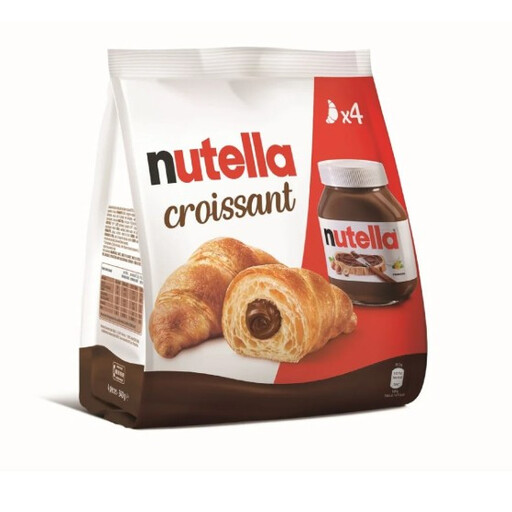 Image unavailable
NUTELLA, hazelnut and cocoa-filled croissants x4, 340 g
This filled version is a different choice from a plain croissant and needs to be baked after being stored in the freezer. Check the baking instructions and allergen information on the pack, especially if the filling is an important part of your decision.
View on Joybuy
Frequently asked questions
Can an all-butter croissant replace semi-wholemeal bread for a child who won’t eat wholemeal?
No: ‘all-butter’ doesn’t tell you how much fibre a croissant contains. If you want to gradually introduce less refined starchy foods, compare semi-wholemeal breads; Manger Bouger includes them in its recommendations for children. Treat a croissant as a separate pastry choice.
Which allergens should you check before buying croissants?
Read the ingredients and any ‘may contain’ warnings for the product you choose. Carrefour and Lidl’s examples list wheat, milk or eggs, among other ingredients. If you have an allergy, rely on the information on the pack you buy or ask the retailer, rather than checking the ingredients for a different product.
What should you plan for before buying frozen croissants to bake?
Make sure you have room in the freezer, an oven and enough time for the preparation stated on the pack. Follow the instructions for the specific product: Auchan’s product information says, among other things, not to refreeze its croissants after defrosting.
What should you look for on the label of a prepacked croissant?
Check the ingredients, allergens, quantity, date and nutrition information when comparing products. The French Ministry of the Economy says that nutrition information must be provided for prepacked foods; the DGCCRF states that allergenic ingredients must be emphasised.


