Who is this choice for?

Parents looking to serve wholemeal options

If your child is reluctant to eat wholemeal bread, you’ll want to find an option they enjoy without confusing a buttery pastry with bread made using wholemeal flour. Manger Bouger lists wholemeal or multigrain bread among the foods to offer children at breakfast.

Families serving breakfast without cooking

A ready-to-eat croissant suits a different time-saving need from a frozen product that has to be baked. It’s a convenient choice, but it doesn’t tell you whether the croissant contains wholemeal flour: check the ingredients separately.

Hosts and breakfast professionals

For cafés and food service, how pastries are presented and prepared may matter more than a family-sized pack. Bridor describes its Lecoq Cuisine collection as a range for chefs, but that alone doesn’t tell you whether a recipe combines both types of flour.

What should you look for?

What to consider What to check Who is it for?
Bread ingredients For a white-and-wholemeal blend, check that both types of flour are specifically listed in the ingredients. ‘Made with pure butter’ doesn’t describe the flour. I’m looking for specific ingredients for a fussy child, without assuming that a flaky croissant contains wholemeal flour. Around 40% of consumers prioritise this check.
Preparation time Distinguish a ready-to-eat croissant from a frozen product that needs baking, and check how many you’ll need. In the morning, I want to serve breakfast without having to cook. Speed is the main priority for around 30% of consumers.
Type of pastry Choose between a ready-to-serve croissant and one that needs baking if you want to serve it warm. Check the ingredients and allergens for the specific product. To go with breakfast, I prefer a flaky pastry or a croissant served warm, and I’m happy to allow time for preparation. Around 30% of consumers put this choice first.

Common mix-ups to avoid

  • Taking ‘made with pure butter’ to mean ‘wholemeal flour’

    This refers to the fat, not the flour. The details for the Lidl and Auchan croissants we reviewed list wheat flour and butter, but don’t establish that either recipe combines white and wholemeal flour.

    If this blend is essential to your choice, look for both types of flour in the ingredients of the product you’re buying rather than relying on its description.

  • Overlooking allergens in a familiar pastry

    The Lidl and Auchan croissants described in their product details contain ingredients derived from wheat, milk and egg, among others. Another product may have a different recipe.

    If you have an allergy, check the label of the specific product every time you shop. The DGCCRF states that allergenic ingredients must be highlighted in the ingredients list of prepacked foods.

  • Comparing packs without checking their size

    The same number of croissants doesn’t necessarily mean the same weight. For comparing the nutritional information of prepacked products, the per 100 g figures provide a common basis, as the DGCCRF explains.

    Check the total weight, number of pieces and nutritional values per 100 g, particularly fat and sugars. These figures alone won’t tell you whether the product contains wholemeal flour.

  • Making croissants the only consideration for a child’s breakfast

    Choosing a pastry your child enjoys doesn’t automatically answer the question of wholegrains. For children, Manger Bouger suggests wholemeal or multigrain bread, a dairy product and fresh fruit or compote with no added sugar, in portions suited to their age and appetite.

    If you serve a croissant, think separately about whether you’d also like to include wholemeal or multigrain bread at breakfast.

Brands and retailers to know

Bridor

Bridor describes Lecoq Cuisine as a collection of pastries for chefs.

  • Worth considering for professional pastry service.
  • This description doesn’t confirm a white-and-wholemeal recipe or a format suited to family shopping.

Carrefour

Carrefour’s online range includes croissants and other pastries in a variety of formats.

  • The product details let you check the formats available.
  • Check the ingredients of the specific croissant before assuming it contains wholemeal flour.

E.Leclerc

E.Leclerc DRIVE lists croissants in its online bakery section.

  • The range helps you find products for breakfast.
  • A category page is no substitute for checking the ingredients of the product you choose.

Auchan

The product details for an Auchan butter croissant include ingredients and nutritional information for that specific product.

  • The details list wheat flour, butter, milk and egg, among other ingredients, which may be useful to check if you have dietary requirements at home.
  • This information doesn’t describe every Auchan croissant or establish that it’s made with wholemeal flour.

Lidl

Lidl offers a ready-to-eat croissant made with pure butter.

  • Its product details list ingredients including wheat flour, butter, milk and egg.
  • ‘Made with pure butter’ doesn’t confirm that the croissant contains wholemeal flour.

Aldi

Aldi offers a pack of six MANNAPAIN butter croissants ready to bake.

  • The bake-at-home format is ideal if you fancy serving warm croissants at home.
  • Before buying, check the ingredients to understand the product’s composition and allergens.

Croissants available on Joybuy

These croissants need baking, making them a good choice if you’d like to serve warm pastries with breakfast. If your priority is still bread made with a mix of white and wholemeal flour, check the ingredients of the product you’re considering before choosing it for this purpose.

Pack of six FOURNIL Organic croissants, 420 g

FOURNIL Organic, 6 croissants, 420 g

This pack of six croissants needs baking, so you can serve them warm at home. The pack weighs 420 g; if wholemeal flour is your main priority, check the packaging to see whether it’s included.

View on Joybuy

Pack of six FOURNIL DE PIERRE croissants to bake, 360 g

FOURNIL DE PIERRE, 6 croissants to bake, 360 g

This pack of six croissants is ideal for breakfast at home, as long as you allow time for baking. It weighs 360 g; check the ingredients if you’re looking for a blend of white and wholemeal flour.

View on Joybuy
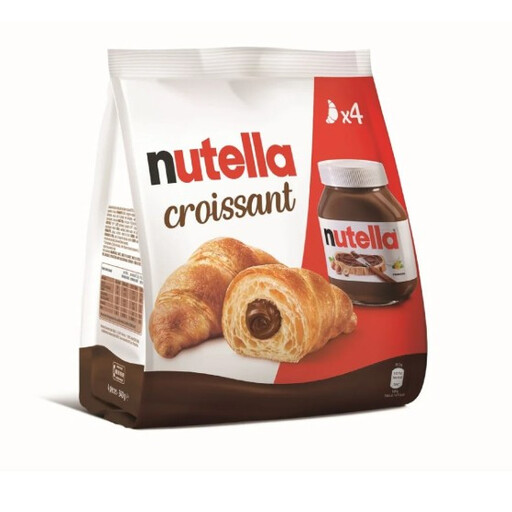
Pack of four NUTELLA hazelnut and cocoa-filled croissants, 340 g

NUTELLA, 4 hazelnut and cocoa-filled croissants, 340 g

If you’d like a filled croissant to serve warm with breakfast, this pack contains four croissants and weighs 340 g. They need baking. The hazelnut and cocoa filling doesn’t tell you which type of flour is used, so check the ingredients if this matters to you.

View on Joybuy

Frequently asked questions

Does a croissant ‘made with pure butter’ always contain wholemeal flour?

No. ‘Made with pure butter’ describes the fat, not the type of flour. The product details for the Lidl and Auchan croissants we reviewed list wheat flour and butter, but don’t confirm that they contain wholemeal flour. Check the ingredients of the product you’re buying.

What can I offer if my child is reluctant to eat wholemeal bread?

Look for bread whose ingredients list both white and wholemeal flour, then take your child’s preferences into account without assuming that a croissant has the same ingredients. For children’s breakfast, Manger Bouger suggests wholemeal or multigrain bread, a dairy product and fresh fruit or compote with no added sugar, in portions suited to their age and appetite.

How can I compare two prepacked croissants?

Start by checking their ingredients and pack sizes, then compare their nutritional values on the same per 100 g basis. The DGCCRF says that presenting nutritional information this way makes it easier to compare prepacked foods. A difference in fat or sugar content alone doesn’t prove that a product contains wholemeal flour.

Which allergens should I look for in a croissant?

Check the label of the specific croissant. The Lidl and Auchan products we reviewed contain ingredients derived from wheat, milk and egg, among others, but their ingredients can’t be taken as representative of all croissants. The DGCCRF states that allergenic ingredients must be highlighted in the ingredients list of prepacked foods.