
Livraison le jour même ou le lendemain

Qualité garantie

Débloquez vos offres de bienvenue: Livraison GRATUITE | Jusqu'à -80 % | 30 jours d'essai gratuits à JoyPlus
Téléchargez l'application
Scrapbooking cutting dies, or simply dies, are the secret weapon for personalising photo albums, greeting cards, and other creative card making projects. But between an incompatible die, paper that tears during cutting, or a design that refuses to release, the dream can quickly turn into a nightmare. These are frustrations every crafting enthusiast has faced at some point.
As a product expert at Joybuy and a passionate scrapbooker myself, I'm sharing my advice to help you avoid the most common pitfalls and choose the dies that will truly transform your creations. No more unpleasant surprises!
Before you click "Buy," make sure you don't fall into one of these three classic traps.
To avoid making mistakes, here are the key points to check before buying any metal dies.
The number one rule: check the die's dimensions and thickness. Reputable product pages list compatible machines. In general, thin dies (like thinlits or framelits) are highly versatile and work with most machines. For thicker dies designed for felt or heavy cardstock, caution is advised: always double-check.
A quality die is almost always made of carbon steel. This material offers the best balance between durability and cutting precision. It allows not only for a clean cut but also for detailed paper embossing. A perfectly sharp blade is the secret to successfully cutting both a delicate flower die and the intricate outlines of a snowflake for a Christmas die.
To build a smart collection, start with the basics: simple shapes (circles, squares, tags) that you'll use for everything. Then, treat yourself by expanding your arsenal with themed dies based on your inspiration:
To illustrate this advice, here are a few examples perfect for different types of projects and skill levels.
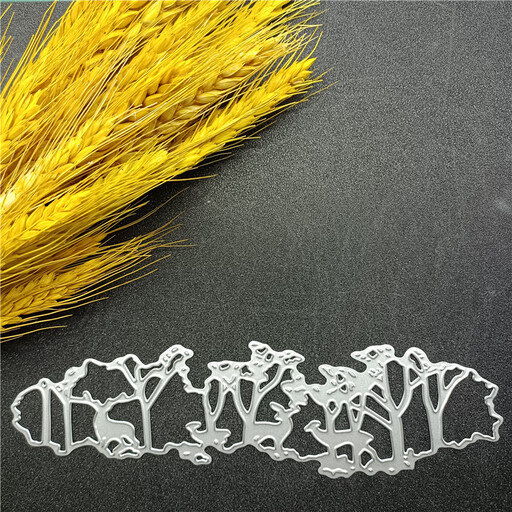
Why we chose it: Perfect for getting started without breaking the bank. With its simple geometric shapes, this type of die is ideal for learning the ropes and mastering your machine.
Its clean design minimises the risk of tearing or stuck paper. Its standard size ensures compatibility with most consumer machines.
Its versatility. These basic shapes serve as a foundation for countless projects: tags, card backgrounds, decorations, and more.
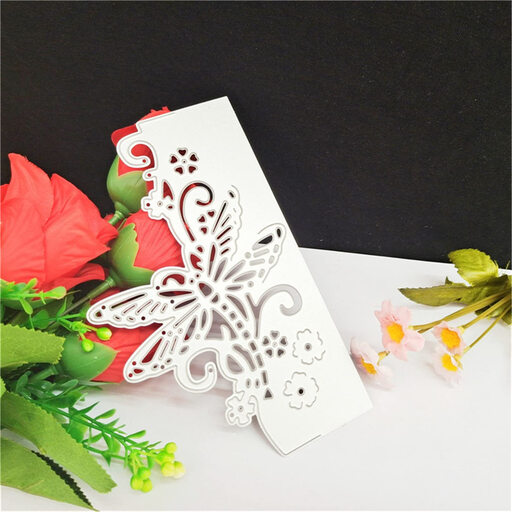
Why we chose it: A must-have for anyone who loves creating their own holiday greeting cards, gift tags, or table decorations. This set offers several coordinated Christmas-themed designs.
Fine designs like snowflakes or fir branches are engineered to ensure a clean cut, which is crucial for this level of detail. The steel quality matches the complexity of the shapes.
It allows you to create cohesive Christmas projects with a professional finish. All the elements are designed to match for immediate visual harmony.
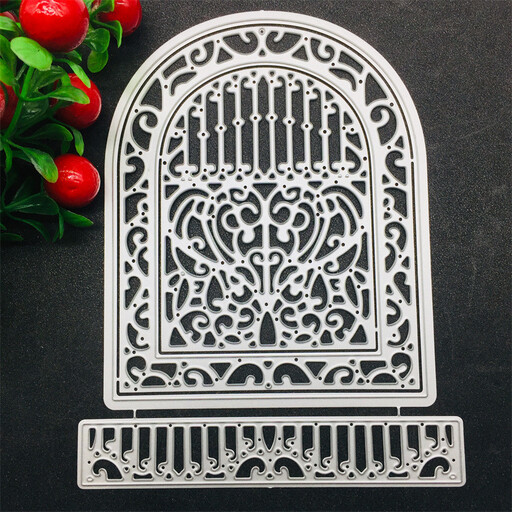
Why we chose it: For crafters who want to add depth and an architectural touch to their cards. This die is perfect for creating 3D scenes and stunning layering effects.
Designed for ambitious projects, this die features ultra-precise blades to handle the finest details without damaging the paper. The ejection holes make removing the cut-out much easier.
It brings a spectacular dimension and a real "wow" factor to your creations. Perfect for greeting cards, invitations, or mini-albums that truly stand out.
Explore our complete selection of scrapbooking dies and accessories, all chosen for their quality and originality.
The easiest way is to read the product description, where compatible machine brands are often listed. If that information is missing, know that thin metal dies (the most common type) are compatible with almost all machines that have adjustable plates. For thick dies, however, checking is essential.
The best practice is to remove any paper residue after each use with a small brush or a fine-tipped tool. For storage, it's best to keep them flat on magnetic sheets. This prevents them from warping and helps you find them at a glance.
A cutting die is made of metal and has a raised blade to slice through paper. An embossing die (often called an embossing folder) is typically made of plastic and works like a mould to press a raised pattern onto paper without cutting it. Pro tip: most cutting dies can also be used for embossing! You just need to adjust your machine's "sandwich" by adding a silicone embossing mat.