Buyers comparing sugar content
Hotel managers looking for a less sugary biscuit to serve with coffee need values per 100 g, rather than relying on the impression created by a product name or its packaging.


When choosing a savoury biscuit to serve with hotel coffee, first compare the ‘sugars’ per 100 g for products intended for the same purpose. Then check allergens, salt and serving format. According to Santé publique France, Nutri-Score is voluntary. If it appears on a pack, it can complement these checks, but it doesn’t replace them.
Hotel managers looking for a less sugary biscuit to serve with coffee need values per 100 g, rather than relying on the impression created by a product name or its packaging.
When biscuits are opened or served at a buffet, staff need to be able to match each recipe with its ingredient and allergen information. This matters just as much for an assortment as it does for a single product.
Choosing a cracker, a puffed snack or another savoury biscuit also depends on how well it goes with coffee and how much handling is needed between opening the pack and serving it.
Start by comparing products intended for the same purpose, using values per 100 g. Then consider the practicalities of serving them in a hotel: allergen information, how they taste with coffee and how to manage opened packs.
| Consideration | What to check | Who it matters to |
|---|---|---|
| Sugar content | Compare the sugars per 100 g in biscuits intended for the same purpose, and check the ingredients list too. | To choose a less sugary option than the other biscuits you’re considering, you need to compare values on the same basis. Around 36% of consumers make this sugar comparison their top priority. |
| Allergens | Check the ingredients and any ‘may contain’ statements for each recipe. Keep the information accessible if the biscuits are served out of their packaging. | At a buffet, the packaging may no longer be with the biscuit when it reaches the customer. Around 29% of consumers put allergen management first. |
| How well it goes with coffee | Check the type of biscuit and taste it with the coffee you actually serve. | A chorizo and paprika flavour is a very different choice from a subtler savoury biscuit. Around 21% of consumers prioritise how well the accompaniment goes with coffee. |
| Serving format | Check the pack weight, whether it can be portioned and the storage instructions after opening. | When several services take place one after another, handling and storing an opened pack are important considerations. Ease of service is the main concern for around 14% of consumers. |
According to Santé publique France, this logo is voluntary. So if it’s missing, that doesn’t tell you how much sugar a biscuit contains. And if it’s displayed, you still need to check the salt and allergens.
Use it as an additional guide, and compare the nutrition information per 100 g and the ingredients of the products you’re considering.
If sugar isn’t listed among the ingredients, that doesn’t tell you the product’s total sugar content. Nor does it prove that it contains less sugar than a comparable biscuit.
Before comparing recipes, check the ‘sugars’ per 100 g on the packaging for the exact product.
Once biscuits have been transferred to another container, it can be difficult to match each one to the right recipe. The French decree of 17 April 2015 sets out requirements for providing information about ingredients that may cause allergies or intolerances in non-prepacked food.
Keep each product clearly identified and make its allergen information accessible where it is served.
Keeping records and separating recipes also takes up staff time.
These examples show why you should check the specific recipe rather than assume its characteristics from the brand name alone.
The range includes peanut-based savoury snacks.
Carrefour’s shelves feature a variety of savoury biscuit formats, including crackers and breadsticks.
The range featured by E.Leclerc includes crackers, sticks and pretzels.
This selection includes two biscuits presented as savoury options and a wholemeal crispbread-style biscuit. Before choosing one to serve with hotel coffee, check how well it goes with the coffee and whether it can be portioned easily.
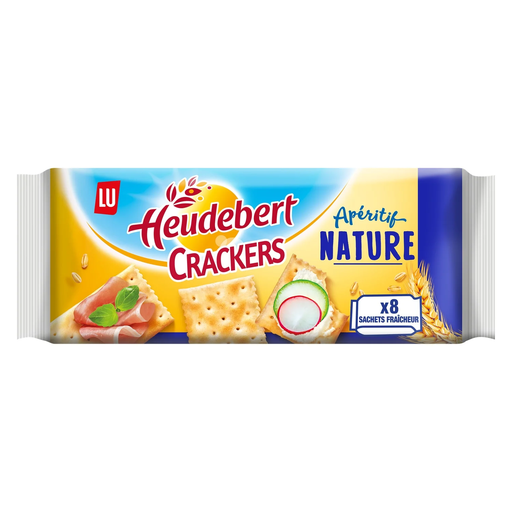 Image unavailable
These table crackers are worth considering if you’re looking for a savoury biscuit to try with coffee. The pack contains 250 g. Before serving, check the packaging for information about salt and possible traces of egg and milk.
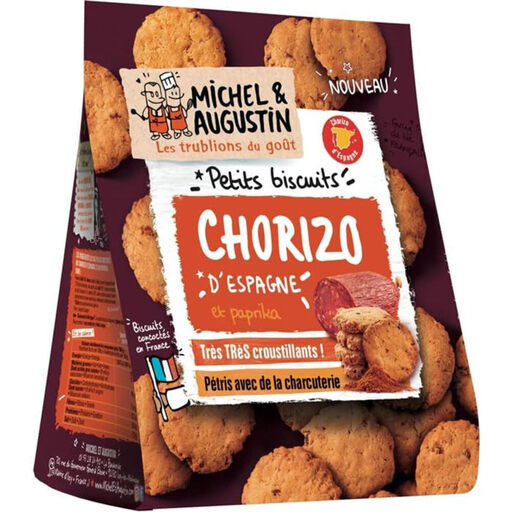 Image unavailable
With its chorizo and paprika flavour, this recipe is suited to a service looking to offer something more distinctive. Try it with the coffee served at your hotel. The pack contains 90 g. Before serving it to guests, check the packaging for salt, allergens and any ‘may contain’ statements.
 Image unavailable
Described as a crispbread, this 425 g product may not be a direct substitute for a savoury biscuit. Check whether its texture and format are suitable for serving with coffee, then consult the packaging for information about gluten-containing cereals.
No. According to Santé publique France, displaying it is voluntary. The DGCCRF states that prepacked foods covered by the rules must carry a nutrition declaration, which lets you check sugars and salt per 100 g, among other things.
Read the ‘sugars’ per 100 g for products intended for the same purpose, then check their ingredients. If sugar isn’t listed as an ingredient, that alone doesn’t tell you the total sugar content or prove that it contains less sugar than another product.
Make sure each container is clearly linked to its recipe, and keep allergen information accessible where the biscuits are served. In France, the decree of 17 April 2015 sets out requirements for providing information about ingredients that may cause allergies or intolerances in non-prepacked food.
No. It doesn’t replace checking the sugars and salt per 100 g, or the ingredients and allergens for the specific product. For hotel coffee, you should also check whether the flavour and format suit the planned service.