
Livraison le jour même ou le lendemain

Qualité garantie

Débloquez vos offres de bienvenue: Livraison GRATUITE | Jusqu'à -80 % | 30 jours d'essai gratuits à JoyPlus
Téléchargez l'application
Picking up a pack of savoury crackers might seem straightforward. Yet, between classic salted biscuits, rice crackers, Asian-inspired recipes and large sharing formats, the differences can be significant. Texture, ingredients, quantity, allergens and storage all play a part in the eating experience.
To avoid any unwelcome surprises, it’s worth looking beyond the promises on the packaging and checking a few concrete details.
A big bag isn’t always the best choice for your intended use. For a solo snack, a 30 to 100 g pack limits waste and slips easily into a bag. For a family or a get-together with friends, a 200 to 500 g box is more practical, provided it can be properly resealed.
Compare the price per kilo, rather than just the price on the packet. Also check whether the crackers are divided into individual portions or packed together in one single bag.
Snack biscuits are still generally quite high in calories, even when made with rice, wholegrains or seeds. Check the nutritional values per 100 g, then compare them with the amount you actually eat.
A cracker can also contain palm oil, sugar, milk powder, flavour enhancers or a significant amount of salt. These ingredients don’t automatically make the product unsuitable, but they should match your preferences and how you plan to use it.
Cracker recipes can contain wheat, gluten, milk, soya, sesame, mustard, crustaceans or sulphites. Imported products sometimes add less familiar ingredients, such as powdered sauces or specific seasoning blends.
The label on the packet you receive is the only reliable reference: take the time to read it. After opening, seal the salted biscuits carefully to protect them from moisture and keep them crisp.
Start by examining the ingredient list and the nutritional table. If you need to avoid certain components, look for ‘contains’ and ‘may contain’ statements. A product made with chickpea flour, for example, can still contain wheat if it blends several flours.
Vegetarian crackers aren’t necessarily vegan: check for the possible presence of milk, whey or butter. For Asian-style snack biscuits, also check for soya sauce, fish or crustaceans.
Texture depends on both the recipe and the manufacturing process. Soda-style crackers are typically thin and crumbly, while puffed rice biscuits feel lighter in the mouth. Sesame crackers add a toasted note; spicy or pickled cabbage recipes are more suited to those who enjoy bold flavours.
For serving with cheese, houmous or a spread, choose a base that’s sturdy enough. Very thin formats are better enjoyed on their own or as a quick snack.
A 60 to 110 g bag is ideal for occasional snacking. Boxes of 200 to 500 g are better suited to biscuits for sharing, lunchboxes or storing in a family cupboard. After opening, an airtight container or a properly sealed bag helps keep your crunchy snacks fresh.
For frozen products, such as certain filled appetiser bites, check the cold chain is maintained, storage at −18 °C or below and the cooking instructions. They aren’t directly comparable to ready-to-eat crackers.
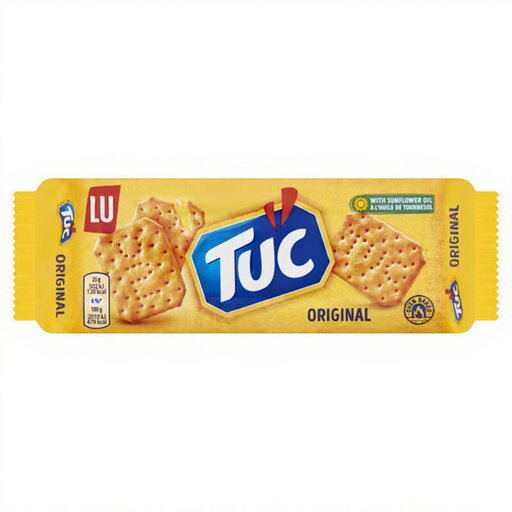
Why this choice suits this profile: At 100 g, this pack fits easily into an impromptu drinks party, a snack break or a small sharing moment. Its original recipe is crowd-pleasing, without any overpowering seasoning.
The clearly stated net weight helps avoid overstocking for occasional use. The ingredient list mentions wheat, gluten and milk, making allergen identification straightforward.
A crunchy texture, versatile use and 502 kcal per 100 g according to the product sheet provided.
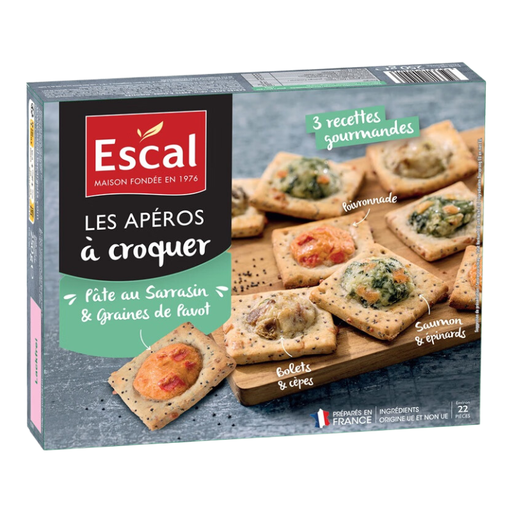
Why this choice suits this profile: These filled bites combine buckwheat flour, linseed, poppy seed and hemp seed. They are designed to be baked and naturally suit a festive meal or a reception.
These aren’t simple dry crackers: the product sheet specifies they are a frozen item that needs cooking. Check the storage conditions and allergen list before ordering.
22 pieces stated, a cheese filling and a more refined texture. Product to be stored at −18 °C or below.
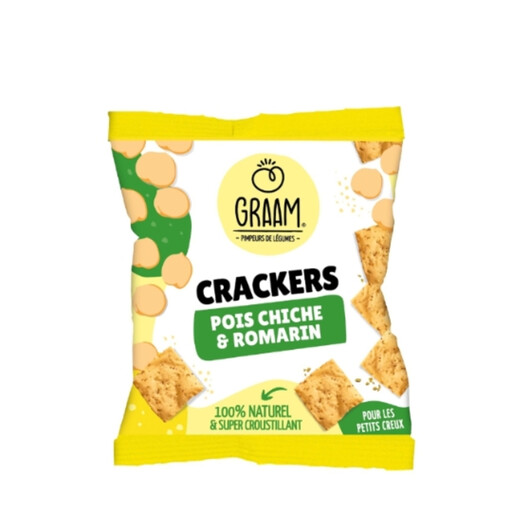
Why this choice suits this profile: Its 30 g pack is designed for solo snacking, on-the-go eating or easily controlled portions. The recipe is stated as vegan and made with approximately 55% chickpea flour.
The individual format limits leftovers that go soft after opening. The product sheet states no palm oil, preservatives or artificial colours, while also flagging the presence of wheat.
123 kcal per 30 g pack, 5.1 g of protein and 2.7 g of fibre according to the data provided.
We’ve put together a comprehensive, real-time selection of products that meet these exacting criteria and comply with European food safety standards.
For a drinks party with several accompaniments, plan a reasonable portion per person and top up with vegetables, spreads or cheese. A 100 to 150 g pack can work for a small group, while a family-sized box is more practical for a gathering that goes on a while. Adjust the quantity to the number of guests and whether other snacks are available.
Seal the bag with a clip or transfer the biscuits to an airtight container. Store them away from heat, light and moisture. Rice crackers and Asian-style snack biscuits can quickly lose their crunch if left exposed to air. With individual portions, only open what you need.
Not necessarily. Some rice crackers have a similar energy value to wheat crackers, especially when they contain oil, sugar or seasoning. Compare the values per 100 g, the serving size and the ingredient list. The choice may come down more to texture, taste, allergens and the format you’re after.