
Livraison le jour même ou le lendemain

Qualité garantie

Débloquez vos offres de bienvenue: Livraison GRATUITE | Jusqu'à -80 % | 30 jours d'essai gratuits à JoyPlus
Téléchargez l'application
Sardines in olive oil naturally belong in a French kitchen cupboard. Served on toast, added to a salad or paired with a few potatoes, they make it easy to prepare a quick meal or appetiser. But not all tins are equal, nor are they suited to the same uses. An attractive illustration, the words ‘traditional recipe’ or an unusual flavour are not enough to judge a product’s quality.
Before buying tinned sardines, three common pitfalls are worth keeping in mind:
Ingredients are always listed in descending order of weight. For a simple recipe, look for a short list: sardines, olive oil, salt. The mention of extra virgin olive oil generally indicates a more pronounced flavour, which may come through more strongly when tasting.
Flavoured recipes may contain lemon, pepper, spices or flavouring. An ingredient present in a small quantity does not necessarily mean a subtle flavour: pepper and truffle, in particular, can quickly dominate. It is therefore better to choose the recipe according to how you plan to use it, rather than being guided by the wording on the packaging.
Drained weight is the best indicator for comparing products. It refers to the amount of sardines left after the oil or sauce has been removed. For an appetiser, a 115 g tin may be enough for several people when served with toasted bread. For a meal salad or several portions, a larger format will reduce the number of tins you need to open.
Indications such as ‘16/20’ generally refer to the approximate number of fish in the tin. Small whole sardines are ideal for an attractive presentation, while sardine fillets are easier to use on toast, in a salad or in a recipe where you would rather avoid the central bone.
Nutritional values are generally given per 100 g, sometimes for the drained product. They allow you to compare protein, fat and salt content. Several products in this selection provide between 21 and 24 g of protein per 100 g, depending on the recipe and presentation.
Sardines are often chosen for their high omega-3 content. However, this claim is no substitute for reading the label: if a quantity is stated, check that it appears in the nutrition table or in the product’s legally required nutritional information. This is nutritional information, not medical advice.
Before opening, store the tins in a cool, dry place away from direct light. Once opened, transfer the contents to a suitable container if necessary, keep them refrigerated and follow the storage period shown on the packaging. The products featured here generally recommend consuming them within 24 hours or within two days.
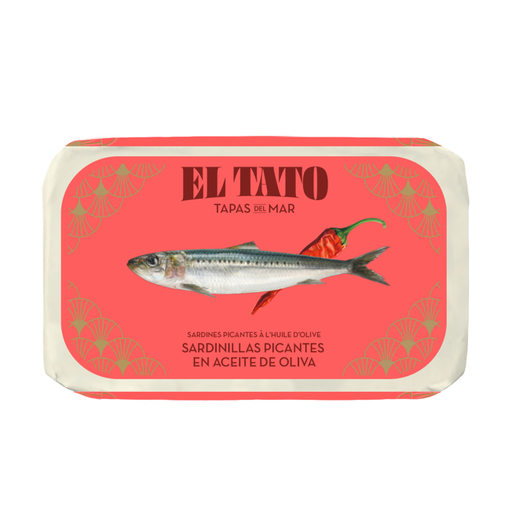
Why this choice suits this profile : A ready-to-eat tin with a short ingredients list and a touch of pepper to liven up toast or a salad without the need for lots of extra ingredients.
The 115 g net weight and 81 g drained weight are clearly stated. The presence of pepper is listed in the ingredients, avoiding any unpleasant surprises when serving.
22 g of protein and 0.3 g of carbohydrates per 100 g according to the product information. A preparation ready to eat.

Why this choice suits this profile : This French product, prepared in Brittany, is aimed at those who enjoy a simple recipe, extra virgin oil and a presentation designed for tasting.
This recipe does not rely on a multitude of flavours to appear more sophisticated. It is based on three main ingredients: sardines, extra virgin olive oil and salt.
135 g in total, 24 g of protein and 0.9 g of salt per 100 g according to the product information. Origin stated: France, prepared in Brittany.

Why this choice suits this profile : Removing the central bone by hand makes repeated serving, salads and quick meals easier when convenience matters just as much as the recipe.
The drained weight is stated as 98 g, making it easier to calculate portions. The product information also specifies that, once opened, it must be refrigerated and consumed within two days.
Sardines without the central bone, 24 g of protein and 0 g of carbohydrates per 100 g according to the product information.
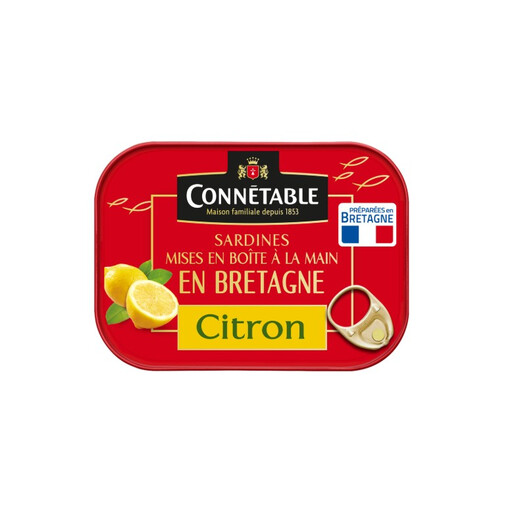
Why this choice suits this profile : Fans of lemon sardines can serve them straight on toasted bread or add them to a salad, without having to prepare a separate sauce.
The ingredients list states that a lemon slice makes up 4.3 %. The advertised flavour is therefore based on a clearly identified ingredient, rather than a simple marketing suggestion.
Extra virgin olive oil, 24 g of protein and 0 g of carbohydrates per 100 g according to the information provided.
We have put together a complete, real-time updated selection of products that meet these strict criteria and European safety requirements.
The descriptions French sardines and Portuguese sardines are not, on their own, enough to judge taste or quality. Instead, check the country of origin, place of preparation and the species listed — often Sardina pilchardus — along with traceability information where available.
Follow the instructions on the packaging. The products featured generally recommend consuming the sardines within 24 hours or within two days of opening. Keep them covered with their oil, either in their original packaging or in an airtight food container.
It depends on the recipe. Draining sardines works well for salads and toast if you want to reduce the amount of oil. For enjoying them as they are, keeping a little oil adds extra softness and flavour.
Yes. The products in this selection are described as ready-to-eat sardines and do not require cooking. Serve them straight away, enjoy them with bread or add them to a hot or cold recipe.