
Livraison le jour même ou le lendemain

Qualité garantie

Débloquez vos offres de bienvenue: Livraison GRATUITE | Jusqu'à -80 % | 30 jours d'essai gratuits à JoyPlus
Téléchargez l'application
Often forgotten in the back of the cupboard, the humble sardine in oil is much more than just an emergency pantry staple. When chosen well, it can be an exceptional product, perfect for an impromptu aperitif or a simple, flavourful meal. But with ever-expanding supermarket shelves, how can you tell a hidden gem from an ordinary tin??
This guide is here to help. As the Head of Product Selection at Joybuy, I'm sharing clear, objective criteria to help you make the right choice, cutting through the marketing jargon. Together, let's break down what makes a great tinned sardine and discover a selection of gems worth trying.
Before we dive into our selection, here are a few key pointers to guide you. These criteria will help you judge the quality of a tin before you even open it.
The origin of the fish is the first indicator of quality. Sardines from Brittany, for example, have a strong reputation built on historic expertise. The fishing method is also important. Purse seine fishing, a selective coastal technique, is often preferred as it captures the sardines without damaging them, ensuring the fish remain intact and have a better texture. Traceability, sometimes indicated on the tin (boat name, fishing date), is a guarantee of freshness and transparency.
A quality seal like the Label Rouge is a guarantee of superior quality. For sardines, it typically certifies that they were fished in season (when the fish are fattiest and most flavourful), have a minimum fat content, and are prepared by hand using extra-fresh fish. The oil used is just as crucial?: an extra virgin olive oil not only preserves the sardine's taste but also imparts its own fruity notes.
Beyond the classic version, you can now find variations to suit every palate. Sardines with Espelette pepper add a gentle, aromatic heat typical of Southwest France. For a more festive touch, sardines with truffle can transform a simple tin into a refined starter. These variations are ideal for adding variety and surprising your guests during a sardine appetiser course.
Keeping these criteria in mind, here is a selection that showcases the richness of today's market.
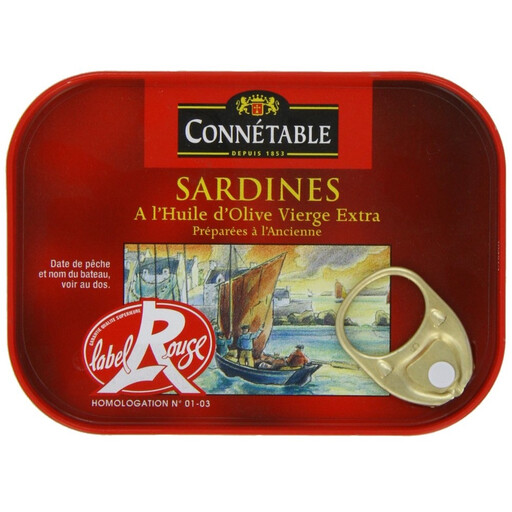
Why it stands out These sardines embody tradition and high standards. The Label Rouge certification guarantees controlled quality at every stage, from being fished off the Brittany coast to being tinned. The complete traceability (fishing date and boat name are shown on the tin) is a rare and welcome sign of transparency.
Benefits
Who is it for?? For purists and lovers of authentic products who are looking for the pure taste of sardine, enhanced by a quality oil. A timeless classic for a simple tasting on a slice of rustic bread.
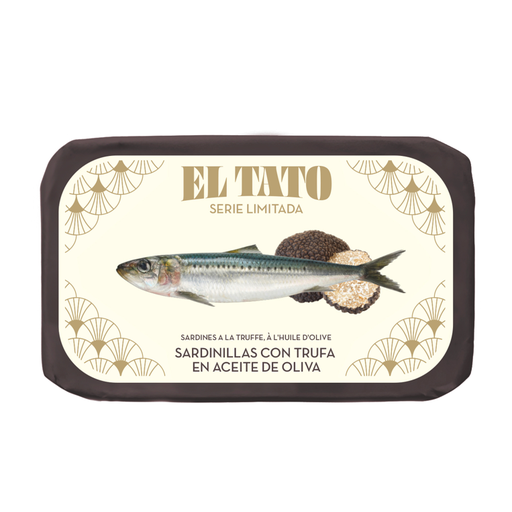
Why it stands out This Spanish option thinks outside the box by pairing sardines with the powerful flavour of summer truffle. The size of the sardines (16/20 pieces per tin) indicates small fish, which are often more delicate. A bold choice for a gourmet appetiser.
Benefits
Who is it for?? For curious foodies and those who love to host and surprise their guests with an original flavour. Ideal on blinis or grilled toast.
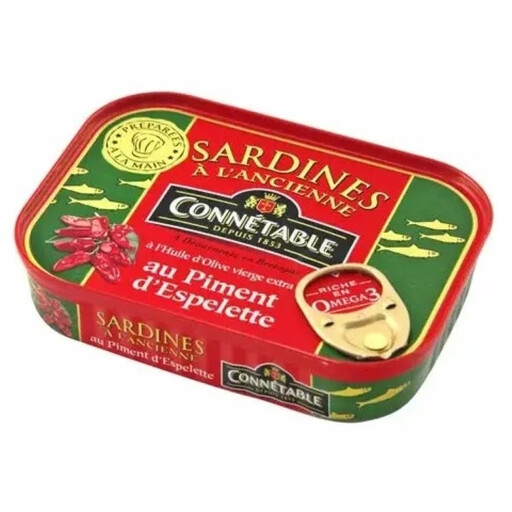
Why it stands out Connétable once again applies its historic expertise to a recipe that marries Brittany with the Basque Country. The Espelette pepper (0.5?%) is perfectly balanced to enhance the sardine's flavour without overpowering it, creating a harmonious taste.
Benefits
Who is it for?? For those who appreciate a touch of controlled heat and the flavours of Southwest France. An excellent alternative to vary from traditional plain sardines.
For a successful appetiser spread, a good sardine pairs well with other quality products. Marine flavours marry wonderfully with the bitterness and fruitiness of certain condiments.
To create a Mediterranean-inspired appetiser, feel free to browse our range of canned olives.
How can you recognise high-quality canned sardines?? Trust the information on the packaging?: a quality seal like Label Rouge, a specific origin (e.g., sardines from Brittany), a sustainable fishing method (e.g., purse seine), and the use of an extra virgin olive oil. Traceability (fishing date, boat name) is also an excellent sign.
Can you eat sardines in olive oil every day?? Sardines are an excellent source of protein and Omega-3 fatty acids, which are beneficial for your health. However, as with any food, moderation is key. Include them as part of a varied and balanced diet.
Do canned sardines get better with age?? Absolutely, this is a well-known practice among connoisseurs. Very high-quality sardines, fully submerged in good oil, can be "vintaged." By turning the tin over every six months, the oil is allowed to slowly permeate the flesh, which becomes more tender and melt-in-the-mouth over the years. Note that this only applies to top-tier tins.