Hosts planning a sweet touch
You’d like to serve a few sweet biscuits alongside the rest of the nibbles and are looking for a product specifically labelled as reduced in sugars, rather than traditional shortbread.


To add a sweet touch to an evening of drinks and nibbles, choose a shortbread biscuit labelled as reduced in sugars, and check the sugars per 100 g and the allergen information too. This claim doesn’t mean ‘sugar-free’. The sweet biscuits featured here can round off the meal, but they won’t replace savoury biscuits if that’s what your guests are expecting.
You’d like to serve a few sweet biscuits alongside the rest of the nibbles and are looking for a product specifically labelled as reduced in sugars, rather than traditional shortbread.
You compare the sugars listed per 100 g and check the ingredients and any ‘may contain’ warnings when guests have dietary requirements.
You prefer to know how many biscuits there are, or choose individual packets, so you can prepare the portions without leaving the whole pack on the table.
First, decide whether you’re looking for shortbread for the sweet part of the spread or biscuits for the savoury selection. The sugar content alone won’t determine how they’ll fit into your spread.
| What to check | Look for | Who is it for? |
|---|---|---|
| Sugar reduction | Read the claim on the pack, then check the ‘of which sugars’ line per 100 g and for the portion you plan to serve. Reduced doesn’t mean sugar-free. | I want to understand what the reduction claim means before choosing my biscuits; around 42% of consumers make this their priority. |
| Serving and ingredients | Tell sweet biscuits apart from savoury options, and check the ingredients and any ‘may contain’ warnings on the exact pack. | If my guests are mainly expecting savoury food or need to avoid certain allergens, the ingredients come first; around 33% of consumers share this priority. |
| Format and availability | Check how many packets or biscuits there are, and confirm they’re available at the shop where you plan to buy them. | To share the biscuits easily among guests and plan my shopping, around 25% of consumers prioritise the format and product availability. |
The reduction is relative: the biscuit still contains sugars. Anses also points out that ‘no added sugars’ does not mean sugar-free.
Compare the ‘of which sugars’ line per 100 g, then work out how that relates to the amount you’ll actually serve.
An apple and cinnamon biscuit or sweet shortbread doesn’t serve the same purpose as a biscuit designed to go with savoury foods.
Set these biscuits out as a clearly separate sweet option, and provide distinct savoury choices if needed.
A reduced-sugar claim tells you nothing about whether the biscuit contains wheat, milk or egg, or may contain traces of other allergens.
Check the ingredients and any ‘may contain’ warnings on the pack you’ve chosen before putting together your platter.
A product listed online may not be available at the shop where you do your shopping.
Check your selected shop and make sure the product is available before making your choice.
These products help illustrate the choice between shortbread and other reduced-sugar sweet biscuits; they’re not all marketed as shortbread.
Auchan lists Gerblé Bio wholemeal wheat shortbread with a reduced-sugar claim, in a box of 12 biscuits weighing 132 g.
The apple and cinnamon product is a sweet biscuit in four individual packets, rather than a shortbread biscuit to serve with savoury food.
Carrefour offers a whole oat biscuit labelled as reduced in sugars, in its petit-beurre category, in three 43.3 g packets.
E.Leclerc describes this cereal and chocolate chip product as a breakfast biscuit with less sugar.
Sablé de Retz is a useful comparison if you’re looking for traditional shortbread, though it isn’t a reduced-sugar option.
If you’d like to serve a savoury-flavoured biscuit rather than sweet shortbread, this selection features a kale and onion option. Its name doesn’t identify it as reduced-sugar shortbread.
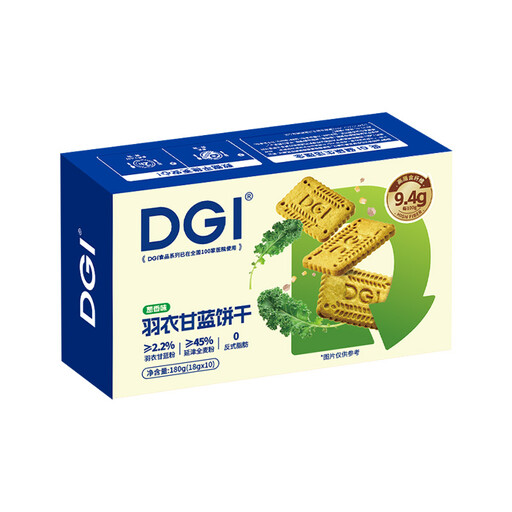 Image unavailable
Consider these for the savoury selection if your guests like kale and onion flavour. The pack contains 180 g of biscuits, which aren’t marketed as shortbread. Check the nutritional information on the pack and the basis for any sugar-reduction claim. The product listing notes that they contain wheat and maltitol, and warns that excessive consumption may have a laxative effect.
No. A reduction is based on a comparison and doesn’t mean there are no sugars. The Auchan product listings cited for the apple and cinnamon biscuits and Gerblé shortbread give 12 g and 17 g of sugars per 100 g respectively. Anses also points out that ‘no added sugars’ doesn’t mean ‘sugar-free’.
Not if your guests are expecting biscuits to go with the savoury food. Reduced-sugar sweet shortbread can be served as part of a sweet selection with drinks and nibbles; keep separate savoury options for other tastes.
Check the exact pack: depending on the product, the ingredients may include wheat, milk or egg, and there may be warnings about traces of other allergens. Don’t assume you know what’s in a product based on a ‘reduced in sugars’ claim alone.
Follow the storage instructions on the pack you’ve chosen and reseal it between serving and putting it away. Instructions may vary from one product to another.