
Livraison le jour même ou le lendemain

Qualité garantie

Débloquez vos offres de bienvenue: Livraison GRATUITE | Jusqu'à -80 % | 30 jours d'essai gratuits à JoyPlus
Téléchargez l'application
Peanut butter, peanut paste, biscuits, chocolate, ice cream or energy bars: peanut-based products suit a wide range of tastes and uses. However, an attractive label or the promise of a “protein-rich” product is not enough to guarantee the right choice.
Here are the main pitfalls to avoid before placing your order, along with the products best suited to different everyday uses in France.
A peanut paste made solely from roasted peanuts is not in the same category as a preparation containing sugar, salt or added fats. The former works just as well on toast as in a smoothie or baking recipe. The latter is closer to a dessert spread.
The term peanut butter covers a wide variety of recipes. The best approach is therefore to check the ingredients list rather than relying on the name displayed on the front of the jar.
An organic peanut butter may be made from ingredients produced using organic farming methods while still being high in fat and calories. Similarly, peanut butter with no added sugar is not necessarily low in carbohydrates: peanuts naturally contain a small amount of sugar.
Take the time to check the ingredients, nutrition table and the amount you actually intend to eat. A marketing claim can never replace reading the label.
Peanuts are one of the allergens that must be clearly indicated. Depending on the recipe, the product may also contain milk, soya, wheat, sesame or other nuts. Anyone with an allergy should check the label of the product received, as the information may change from one production batch to another.
A layer of oil on the surface of the jar is not necessarily a sign that the product has deteriorated. Usually, you simply need to mix the product as instructed and then follow the storage conditions after opening.
For a paste to use on toast or in cooking, start by checking the percentage of peanuts. A.F.P. Fine Peanut Paste 500 g lists a composition of 100 % roasted peanuts, while several PCD products indicate 90 % peanuts, with vegetable oil, salt and sometimes sugar.
A short ingredients list makes comparisons easier. If you are looking for a more indulgent preparation, the presence of sugar, cocoa or chocolate may be an advantage. However, it changes the product’s flavour and nutritional profile.
Compare the figures per 100 g, then relate them to the portion you usually eat. As an indication, A.F.P. Fine Peanut Paste contains 639 kcal, 53 g of fat, 27 g of protein and 0 g of salt per 100 g. MENGUY’S Creamy Peanut Butter lists 629 kcal and 25 g of protein per 100 g, with sugar and salt in its recipe.
These figures are useful for comparing products with one another, but they are not a substitute for medical advice or a personalised eating plan. Peanut-based energy bars, for example, often also contain cereals, syrups and chocolate.
For regular use at home, a 300 to 500 g jar generally offers a good compromise. At 10 kg, the PCD Peanut Butter format is aimed more at catering professionals, bakers or very high-volume users. It would be decidedly excessive if you are simply looking for a breakfast spread.
For a product that needs to be stored in the freezer, such as peanut butter ice cream, check that you have enough space and can maintain the cold chain. For snacks, peanut biscuits and peanut chocolate, individual packs are convenient to carry, but remember to compare the price per kilo.
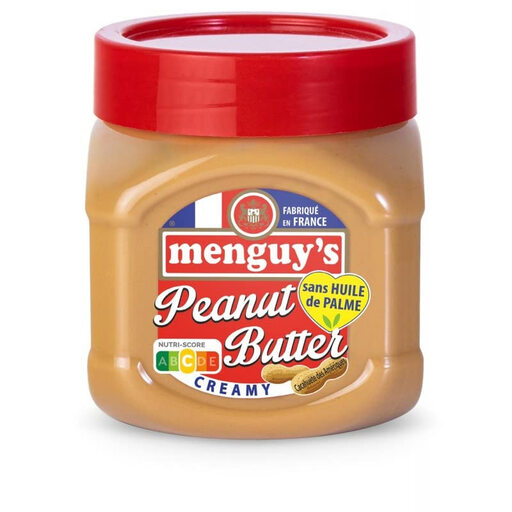
Why this choice suits this profile : Its 454 g size is suitable for toast, simple recipes and a first taste, without requiring you to buy a large pack.
The ingredients list states 86 % American roasted peanuts, along with sugar, salt and vegetable fats, so you know exactly what to expect before buying.
A creamy texture, 25 g of protein and 6.7 g of fibre per 100 g, according to the product details.
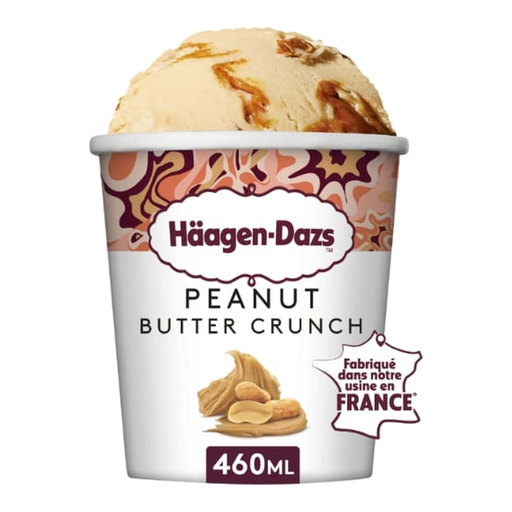
Why this choice suits this profile : This ice cream combines cream, roasted peanuts, crunchy pieces and peanut butter swirls for a generous dessert to enjoy at home.
The product details specify the presence of 24.3 % cream and 19.5 % roasted peanuts, as well as the allergens milk, eggs and peanuts.
A 400 g tub, a creamy texture and crunchy inclusions. Store at -18 °C before opening.
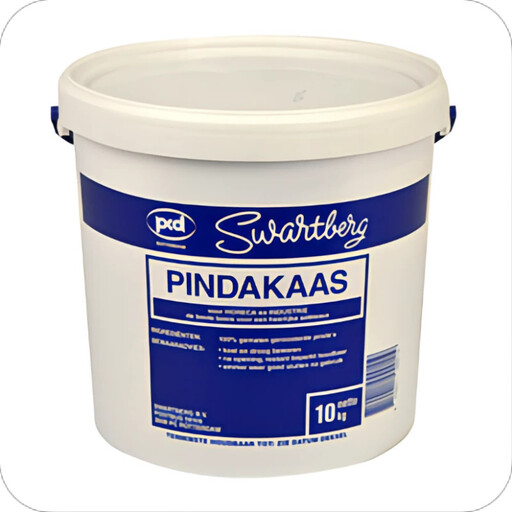
Why this choice suits this profile : This pack size is aimed at professionals, larger families and regular baking or cooking.
The net weight of 10 kg is clearly stated. This format avoids having to accumulate lots of small jars, provided your consumption genuinely justifies such a volume.
90 % roasted peanuts, 26 g of protein per 100 g and storage at room temperature before opening.
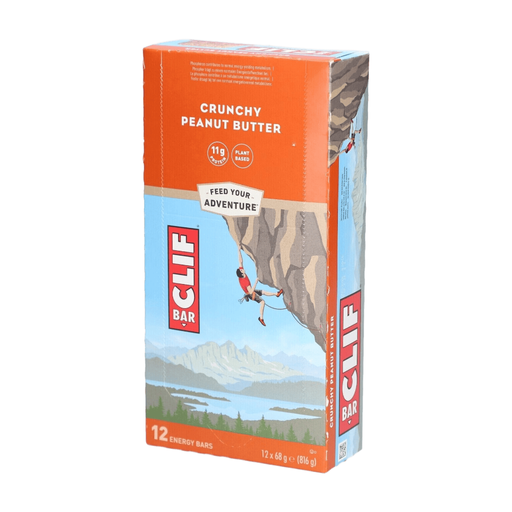
Why this choice suits this profile : The 12 x 68 g bars fit easily into a bag for a hike, a journey or a workout.
The table distinguishes between values per 100 g and per bar: according to the product details provided, each bar contains 265 kcal, 11 g of protein and 5.2 g of fibre.
The recipe combines oats and peanuts, with ingredients of organic origin according to the product details. The presence of oats, barley, soya and peanuts should be taken into account.
We have brought together a complete, real-time updated selection of products that meet these selection criteria and European regulatory requirements for safety.
It depends on the product. Some jars recommend storing them in a cool, dry place before opening, then keeping them in the fridge after opening. Others can be kept at room temperature in a properly sealed container. Always follow the instructions on the label of the product you bought.
Peanut paste may refer to a preparation made solely from peanuts. Peanut butter with no added sugar excludes added sugar, but may still contain salt or vegetable oil. To find out the actual difference between two products, the ingredients list is the only reliable guide.
Shelf life varies according to the recipe, manufacturer and storage conditions. Close the jar carefully, use a clean utensil and check the date shown on the packaging. If the smell, taste or appearance seems unusual, it is best not to eat the product.