
Livraison le jour même ou le lendemain

Qualité garantie

Débloquez vos offres de bienvenue: Livraison GRATUITE | Jusqu'à -80 % | 30 jours d'essai gratuits à JoyPlus
Téléchargez l'application
A mop with a wringer bucket can make everyday cleaning of tiled, varnished parquet or vinyl floors much easier. However, the claims highlighted in product descriptions do not always guarantee a pleasant experience day after day. The bucket capacity, wringing system and compatibility with your flooring are often far more important than a promise of quick cleaning.
A large tank may seem practical, but it can quickly become awkward in a flat or difficult to empty. Conversely, a bucket that is too small means having to change the water regularly. For family use, choose a model that is easy to carry, with a sturdy handle and an opening wide enough to clean the inside without difficulty.
A bucket with separate clean- and dirty-water compartments deserves particular attention. The two compartments must remain separate during rinsing and wringing. Otherwise, the mop head may end up back in water already full of dust and residue.
A mop that is too wet can leave marks on tiled floors and significantly increase drying time. On varnished parquet, excess water may also be discouraged by the manufacturer. A hands-free wringing mop should therefore make it easy to adjust the moisture level, without having to twist the head by hand.
Be wary of mechanisms that are difficult to operate or require several steps. For regular cleaning, a system that can be used with one hand will be much more convenient.
A wide head covers more surface area, but it may be difficult to manoeuvre between chair legs or under a sofa. A slim flat microfibre mop is generally easier to use under furniture, provided its joint remains flexible enough.
Also check whether replacement pads are available. A reusable mop head that is machine-washable helps reduce consumables, but it must be easy to remove and able to dry completely between uses.
For frequent cleaning, choose a bucket that clearly separates the washing area from the wringing area. The JoySelect model featured below uses a two-compartment design and an integrated pump to rinse the head. Its product description also mentions two vertical brushes designed to make automatic pad cleaning easier.
This design limits direct contact with dirty water, but you still need to empty and rinse the bucket after every use.
At 32 cm, this head offers a good balance between coverage and manoeuvrability in living areas. Microfibre can be used dry to collect dust and small debris, then damp to remove marks and dirt. The result will nevertheless depend on the type of stain, the amount of water used and the condition of the floor.
If your home has lots of low furniture, choose a flat head that can tilt. Where possible, measure the available space beneath beds, sofas and TV units before ordering.
A steam mop heats water and generally works without detergent. It may be suitable for sealed or varnished hard floors, provided the flooring instructions and the appliance manual allow it. This does not automatically mean it is suitable for unfinished wood, heat-sensitive surfaces or non-sealed floors.
Steam cleaning also requires a few precautions : unplug the appliance before filling the tank, allow it to cool down after use and keep children away from the steam outlet. With a corded model, also remember to check the cable length and the position of the sockets.
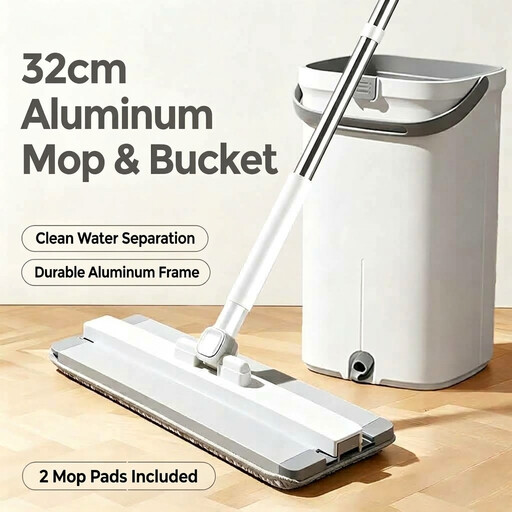
Why this choice suits this profile : It combines the bucket, rinsing and wringing functions in one set that requires no electricity, making it suitable for routine cleaning of tiles and other hard floors compatible with water.
The stated separation between clean and dirty water reduces the risk of rinsing the microfibre in water that is already soiled. Wringing takes place in the bucket, without direct contact with the pad.
32 cm microfibre head, aluminium panel, dry or wet use and a flat head designed to reach beneath low furniture.
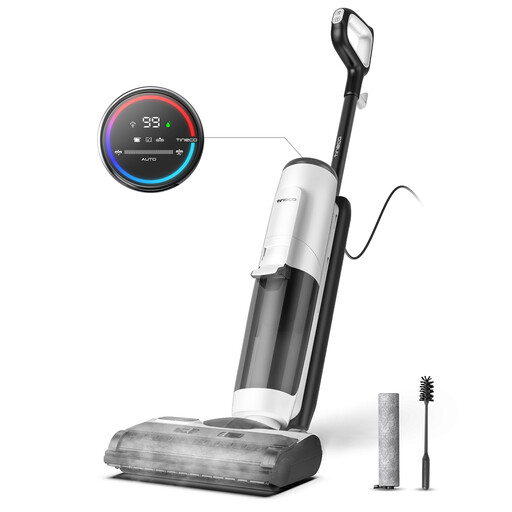
Why this choice suits this profile : This solution is aimed at households looking for a multifunction electric appliance for maintaining hard floors and willing to accept the limitations of a corded power supply.
The corded design means you do not have to rely on a battery during a long cleaning session. However, you will need an accessible socket and should check compatibility with the type of floor specified in the manual.
Advertised digital display, corded power supply and a design dedicated to hard floors. Technical details should be confirmed on the product page and in the manual.
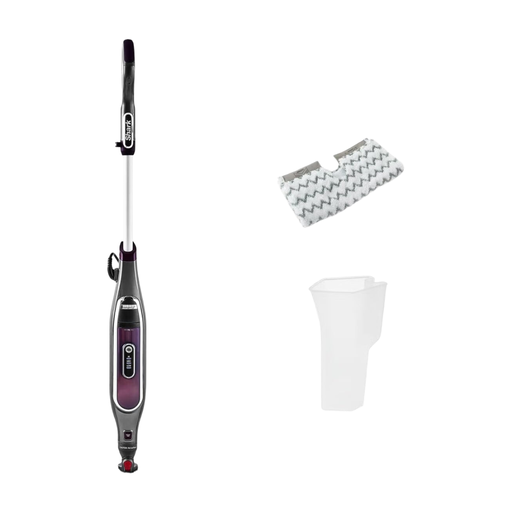
Why this choice suits this profile : It is aimed at users who want a steam appliance for sealed hard floors and are prepared to follow the precautions associated with heat and mains connection.
The steam control lets you adjust the output to suit your needs. Washable, reusable pads mean you do not have to replace a pad after every pass.
Advertised power of 1 200 W, 6 m cable, 380 ml tank, two washable pads and a concentrated steam mode for stubborn dirt.
We have put together a complete, real-time updated selection of products that meet these strict selection criteria and European safety requirements.
A few good habits are all it takes to preserve your equipment’s performance :
Before buying, also check that the manufacturer’s details or those of its EU-based responsible person are provided, along with the safety instructions, compatibility with the French mains voltage and the applicable regulatory marking. This information is far more useful than a vague promise of effectiveness.
For tiled floors, a set with separate clean- and dirty-water compartments, adjustable wringing and a microfibre head is perfectly suited to everyday cleaning. Steam cleaning may also be considered if the tiles are sealed and compatible with the appliance’s recommendations.
Yes, subject to the parquet manufacturer’s recommendations. Use a barely damp, properly wrung microfibre head. Above all, avoid allowing water to stand on the boards or seep into the joints.
A steam mop without detergent heats water to produce steam. You must respect the approved surfaces, fill the tank according to the manufacturer’s instructions and never add vinegar, fragrance or any other product when the manual prohibits it.