
Livraison le jour même ou le lendemain

Qualité garantie

Débloquez vos offres de bienvenue: Livraison GRATUITE | Jusqu'à -80 % | 30 jours d'essai gratuits à JoyPlus
Téléchargez l'application
A floor cleaner can simplify your daily cleaning routine, but not every appliance meets the same needs. Between the wet-dry vacuum, steam mop, wet-and-dry vacuum cleaner and spray mop, the differences come down to compatible surfaces, battery life, maintenance and running costs.
Before you buy, three common pitfalls keep cropping up:
A wet-dry vacuum typically combines dry dirt suction with wet washing. It's best suited to washable hard floors such as tiles, vinyl or certain varnished wooden floors. It doesn't necessarily replace a standard vacuum cleaner for cleaning thick carpets.
A steam mop uses hot steam to loosen residue. It must never be directed at people, pets, sockets or electrical appliances. When cleaning a wooden floor, always check the flooring manufacturer's recommendations: an unvarnished or moisture-sensitive wooden floor can be damaged.
A spray mop is ideal for light soiling and is particularly simple to use. It consumes little electricity, but usually requires a prior pass to vacuum up crumbs and pet hair, or to soak up liquids.
For a cordless model, compare the advertised battery life with the actual time you need to clean your home. A duration of 30 to 40 minutes may be enough for a flat or for spot cleaning. A large house, however, may require a recharge mid-session or the use of a corded appliance.
A floor cleaner's tanks also need to be considered separately:
For example, the Lubluelu T6 has a 540 ml clean water tank, a 460 ml dirty water tank and a 30-minute battery life. The Tineco iFLOOR 5 Breeze Complete claims up to 35 minutes of use and includes a self-cleaning function for the roller.
For a corded wet-and-dry vacuum cleaner, the motor power, suction pressure and operating range are useful indicators. The Vacmaster VQ1220PF features a 1,250 W motor, a 20-litre drum, a claimed maximum pressure of 18 kPa and an operating range of 7.5 metres.
At home, also think about noise level, weight and storage. A powerful but heavy appliance can quickly become tiresome to use on stairs or in a small bathroom. The accessories supplied are also worth your attention: a crevice tool, upholstery brush, car nozzle or window squeegee can save you from buying extras later.
The recommendations below pair each appliance with a real-life scenario. The features mentioned correspond to the information available on the product pages.
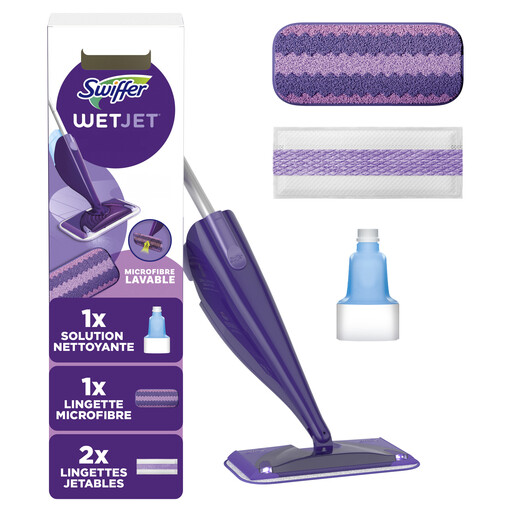
Why this choice suits this profile: This spray mop is ideal for people who want to clean varnished or protected hard floors quickly, without investing in a motorised appliance.
The washable microfibre pad reduces the need for disposable refills. The spray dosing helps avoid excess water on sensitive floors.
Kit includes a handle, spray system and washable microfibre refill. For hard floors compatible with wet cleaning only.
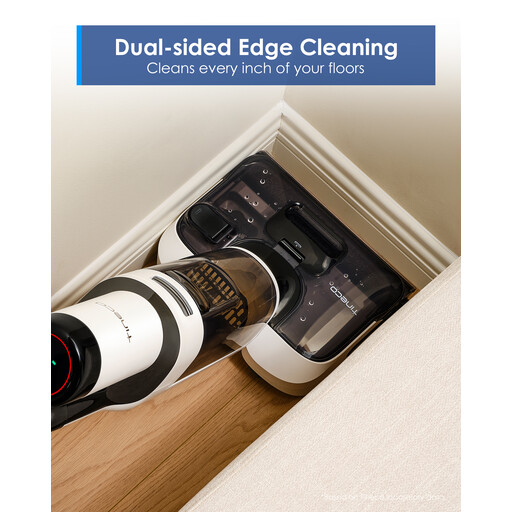
Why this choice suits this profile: Its cordless design and flat-reaching capability are ideal for homes where you need to clean under furniture and along skirting boards.
The claimed 180° design and 13 cm access height make it easier to clean hard-to-reach areas. The self-cleaning function also reduces post-use handling.
Wash-and-vacuum function, FlashDry drying claimed at 70° and an indicated battery life of 40 minutes. Check compatibility with your flooring.
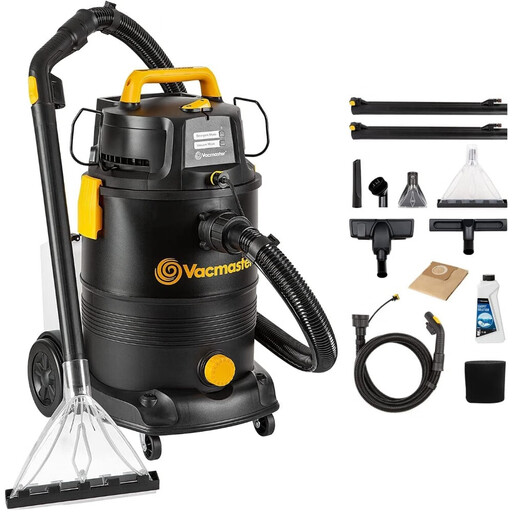
Why this choice suits this profile: Its 30-litre drum and suction, washing and drying functions are ideal for large areas, garages, workshops and professional premises.
The large capacity reduces interruptions for emptying the drum. The supplied accessories let you adapt the appliance to floors, carpets and upholstery.
1,300 W motor, 30 L dual drum and a claimed operating range of 10 metres. The indicated weight of 10.8 kg should be considered for storage.
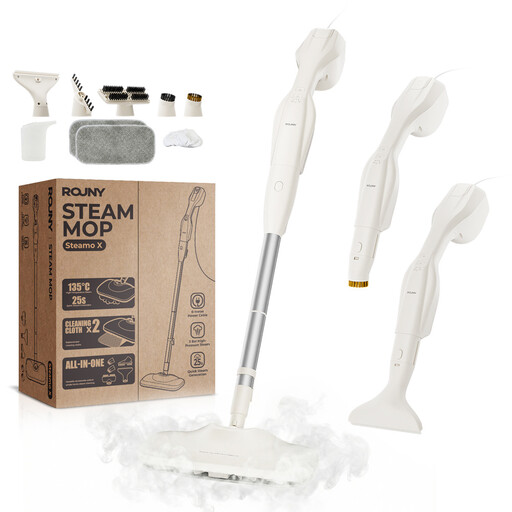
Why this choice suits this profile: Switching from steam mop to handheld mode lets you clean floors, grout, the kitchen, windows and nooks with a single appliance.
Two steam levels let you adjust the flow to the degree of soiling. The 6-metre cord means you don't have to rely on a battery during the session.
Heats up in a claimed 25 seconds, steam pressure indicated at 2.5 to 3 bar, 250 ml tank and five accessories. Use only clean water unless the manual states otherwise.
A floor cleaning product is designed to remove everyday dirt. A floor disinfectant is for specific purposes and must be used according to its label, at the recommended dilution and for the stated contact time.
SANYTOL Antibacterial Disinfectant Cleaner for Floors & Surfaces is presented as a bleach-free formula in a 5-litre container. Its product page mentions EN 13697, EN 1650 and EN 14476 standards for the claimed activities. This information does not replace carefully reading the label before use. On surfaces that come into contact with food, rinsing with drinking water may be necessary.
For wooden floors, limit moisture and choose a product that is explicitly compatible. CAROLIN floor cleaner, based on linseed oil extracts, is intended for modern wooden floors and washable wood surfaces. CAROLIN Nature Activ wipes, meanwhile, recommend use on dry or slightly damp floors. Always test on an inconspicuous area first.
We've put together a comprehensive, real-time updated list of products that fully meet these strict selection criteria and European safety regulations.
Yes, provided the wooden floor is designed for wet or steam cleaning. Wash-and-vacuum models should leave very little residual water. For unvarnished, waxed or particularly sensitive wooden floors, a dry or slightly damp method will often be more suitable. Always check the flooring manufacturer's recommendations.
You need to factor in electricity, water and consumables: rollers, filters, any bags and cleaning solution. A cordless model also involves the eventual replacement of the battery. A spray mop can be cheaper to run, but it doesn't pick up liquids and debris like a motorised appliance.
Yes. Empty the dirty water tank, rinse the removable parts and leave them to dry. Clean the filters according to the instructions. With a steam mop or steam cleaner, unplug the appliance, wait for it to cool down and follow the guidelines before filling or storing the tank.