
Livraison le jour même ou le lendemain

Qualité garantie

Débloquez vos offres de bienvenue: Livraison GRATUITE | Jusqu'à -80 % | 30 jours d'essai gratuits à JoyPlus
Téléchargez l'application
The exotic drinks aisle can feel like a jungle. Between the colourful packaging promising a tropical escape and the obscure product names, it's hard to know where to start. A simple craving for a refreshing mango drink can quickly turn into a headache. This guide is here to help you decode the labels and make the right choice, avoiding the traps that lead straight to flavour disappointment.
Before falling for an attractive package, keep your eyes open. Too many consumers trust the bottle's appearance and end up regretting it.
The confusion between "?juice?", "?nectar?", and "?drink?": This is the number one trap. An enticing package might lead you to believe you're getting pure fruit juice, when in reality, you're holding a simple "flavoured drink" with a negligible amount of mango. Regulations mandate minimum fruit percentages for each designation; ignoring them means you risk buying a product that's a far cry from your expectations.
The hidden sugar bomb: A tropical drink is naturally sweet, but some manufacturers go overboard with added sugars. Trusting a "mango flavour" claim without glancing at the ingredients list is the surest way to end up with an overly sweet drink, far from the authentic taste of the fruit.
To avoid falling into the trap again, a few seconds is all it takes to scan the label. Here are the key points to check to assess a product's quality at a glance.
This is the number one criterion. The product's name itself is a valuable clue:
A quick look at the ingredients list speaks volumes. They are listed in order of quantity: the higher mango puree is on the list, the better. It's a red flag if water and sugar occupy the top two spots.
Also, remember to check the "of which sugars" line on the nutritional panel. It's the only way to objectively compare products and spot a sugar-free mango drink if that's your priority.
What's the occasion? Your choice will differ if you're looking for a sparkling, refreshing drink for an aperitif, a smooth nectar for breakfast, or a drink with chunks for an indulgent treat. There's no shortage of options:
Formats also vary, from single-serving cans for on-the-go to family-size bottles of 1 litre or more.
To put theory into practice, here are a few products that tick all the boxes, for different profiles and preferences.
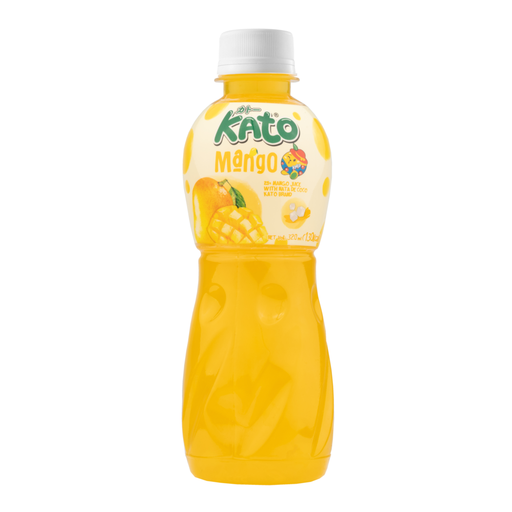
Who is it for? Perfect for those who want more than just a drink. The addition of nata de coco turns it into a fun and satisfying experience, ideal for a unique snack.
This product is transparent: it clearly states 25% mango puree and 15% nata de coco. You know exactly what you're buying, avoiding the "mango-flavoured drink" trap that lacks substance.
Original texture that combines a drink with chewy pieces. Very respectable fruit content for this type of product.
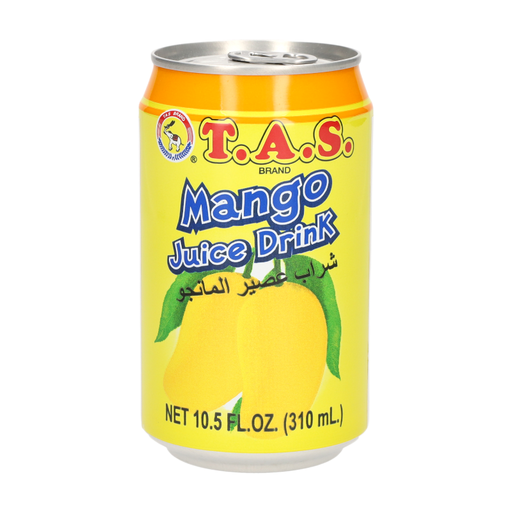
Who is it for? For fans of a classic, simple, and effective mango drink. The can format is perfect for on-the-go consumption, a lunch break, or quenching an immediate thirst with a real fruit taste.
This drink is upfront about its 30% mango puree content, a high score for the "juice drink" category. It doesn't pretend to be something it's not, instead delivering an authentic taste thanks to its high fruit content.
High fruit content for a "drink". Ultra-convenient can format.
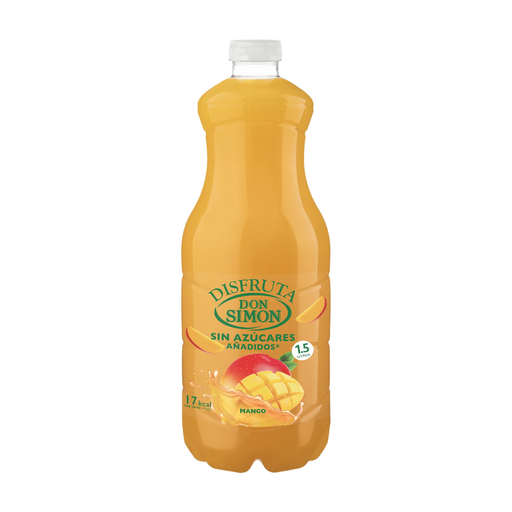
Who is it for? The ideal option for families and anyone watching their sugar intake. The large 1.5L format is both economical and practical, and the absence of added sugars lets you enjoy the taste of mango more healthily.
This product tackles the sugar trap head-on. The "No Added Sugar" claim is clearly visible, and as a nectar, it guarantees a regulated fruit content. It only contains the sugars naturally present in the fruit.
No added sugar, a real plus. Economical family-size format (1.5L).
Our selection doesn't stop here. Explore other products that meet our quality criteria and current regulations.
1. What is the difference between mango juice and mango nectar? A mango juice (or "pure juice") is 100% from the fruit, with no added water or sugar. A mango nectar is a blend of mango puree (25% minimum), water, and often sugar to adjust the taste and texture. In practice, most commercial mango drinks are nectars or fruit drinks, as pure mango puree is too thick to be drunk.
2. How should I store a mango drink after opening? Once opened, a bottle or carton must be kept in the refrigerator. Most manufacturers recommend consuming it within 3 to 5 days to guarantee its freshness and taste. In any case, refer to the specific instructions on the packaging.
3. Can you use a mango drink to make cocktails? Absolutely. A good quality nectar or mango drink is a perfect base for many cocktails, with or without alcohol. Its sweet, exotic flavour pairs wonderfully with rum, vodka, or simply with sparkling water and a lime wedge for a most refreshing mocktail.