Joybuy Insights

Pillow Buying Guide: How to Choose the Perfect Pillow

A good pillow is the key to a restful night's sleep, but in a market saturated with options and marketing promises, how can you navigate it all? Between innovative materials and ergonomic shapes, the risk of making the wrong choice is real. As the Head of Product Selection at Joybuy, my mission is to help you see things more clearly. This guide breaks down the essential criteria and pitfalls to avoid, ensuring your next purchase is finally the right one.

The 3 Pitfalls to Avoid When Buying a Pillow

Before we even get into the technical details, let's debunk the three most common mistakes that lead to a disappointing purchase.

  1. The Myth of the "Universal" Pillow: Many models boast that they are suitable for all sleepers. This is a dangerous marketing shortcut. A pillow that provides perfect support for a side sleeper can cause tension for someone who sleeps on their back. Your body shape and sleeping position are unique and require a tailored solution.
  2. The Vague "Hotel Quality" Label: This marketing term, which isn't regulated by any standard, is often a gimmick. It evokes a synthetic pillow with a plush, lofty feel but guarantees neither the durability of its support nor the quality of its materials. The result: a pillow that flattens out and loses all its comfort in just a few months, despite the fancy label.
  3. Ignoring Certifications: Your pillow is in direct contact with your face and airways for hours. The absence of labels like STANDARD 100 by OEKO-TEX means the product has not been tested for harmful substances. For those with sensitive skin or allergies, this is a risk not to be taken lightly.

Key Parameters for Choosing Your Pillow

To make an informed choice, three criteria must be carefully examined: the filling, the firmness, and the size.

1. The Filling: The Heart of Your Comfort

The filling is the heart of the pillow. It determines its support, breathability, and lifespan.

  • Synthetics (Polyester Fibres): This is the most budget-friendly option, and it is often hypoallergenic. These pillows are easy to care for (usually machine-washable) and offer soft comfort. Their main drawback? A tendency to flatten more quickly than natural fillings. They are perfect for those on a budget, people without specific needs, or those who like to replace their bedding often.
  • Memory Foam: Perfect for customised support, it moulds to the contours of your head and neck. A memory foam pillow is therefore often recommended to relieve tension, making it the ideal candidate for a cervical pillow. Be aware, however, that early generations of foam tended to retain heat. Fortunately, recent models incorporate technologies (gels, perforations) to improve air circulation.
  • Naturals (Feathers and Down): Prized for their exceptional loft and excellent breathability, they embody traditional high-end comfort. Down provides softness and lightness, while feathers ensure firmer support. They are very durable if well-maintained, but are not recommended for those with dust mite allergies unless they have undergone a specific treatment.

2. Firmness: A Matter of Alignment

Firmness should be chosen based on your primary sleeping position. The goal? To ensure perfect alignment of your spine.

  • Back Sleepers: A medium-firm pillow is generally recommended to properly support the neck without raising the head too high.
  • Side Sleepers: Here, you need to fill the gap between your shoulder and neck. A firm and sufficiently thick pillow is essential to maintain alignment.
  • Stomach Sleepers: This is the most stressful position for the cervical spine. A soft and very flat pillow, or even no pillow at all, is the only option to avoid excessive neck twisting.

3. Size: A French Standard to Know

In France, two sizes dominate the market:

  • The square pillow (usually 60?x?60?cm): This is the quintessential traditional size. While very practical for reading in bed by folding it, it tends to take up a lot of space and can misalign the shoulders for sleeping.
  • The rectangular pillow (most often 50?x?70?cm): Increasingly popular, it is better suited to the width of the shoulders. It provides more targeted support for the neck and allows the upper body to rest correctly on the mattress.

Pillow Recommendations for Every Need

Rather than an endless list, here are targeted recommendations for specific profiles, keeping in mind the pitfalls and criteria we've just discussed.
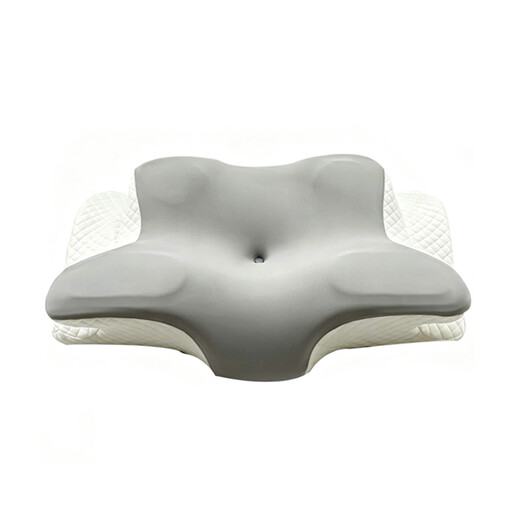
IDEAL FOR: SENSITIVE NECKS AND CERVICAL TENSION
JORDAN&JUDY Butterfly Shaped Memory Pillow, Slow Rebound Memory Foam Pillow, Grey

JORDAN&JUDY Memory Foam Pillow

Why it stands out: Its ergonomic butterfly shape is specially designed to follow the curve of the neck and shoulders. It offers targeted support, ideal for back or side sleepers who suffer from stiffness upon waking.

How it avoids the pitfall

It doesn't claim to be universal. On the contrary, its specific design makes it a true cervical pillow that meets a precise need, unlike generic models that provide poor neck support.

Its standout feature

Its slow-rebound memory foam adapts perfectly without creating pressure points, which helps relax the neck and shoulder muscles.
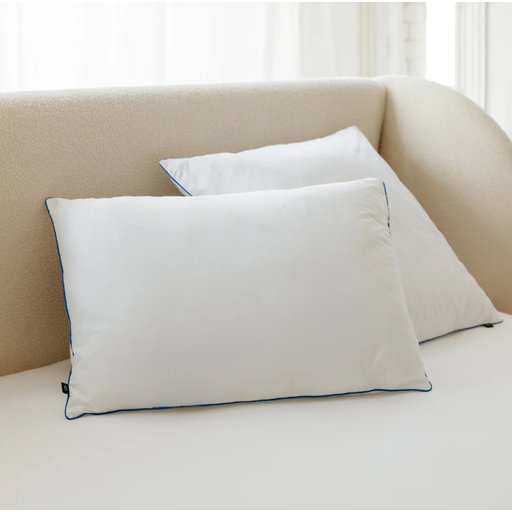
IDEAL FOR: ALLERGY SUFFERERS AND FANS OF SIMPLICITY
Soft Cotton and Polyester Pillow, 60x60 cm, 5 cm Thick

Soft Cotton and Polyester Pillow 60 x 60 cm

Why it stands out: This model combines a breathable synthetic filling with a soft cotton cover. Its main advantage? It's machine-washable, an essential feature for maintaining perfect hygiene and limiting exposure to dust mites.

How it avoids the pitfall

It doesn't hide behind the vague marketing of "hotel quality." Its promise is based on concrete certifications (OEKO-TEX STANDARD 100, Certipur, Sanitized) that guarantee a hypoallergenic product free from harmful substances.

Its standout feature

Its ultra-simple maintenance and multiple certifications make it a reassuring and practical choice for daily use, especially for families and sensitive individuals.
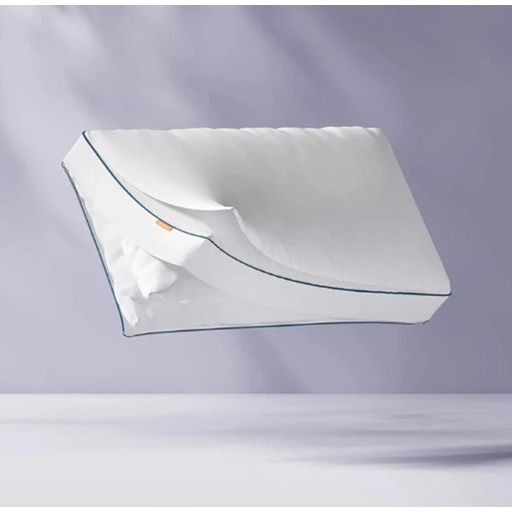
IDEAL FOR: THOSE WHO WANT CUSTOMISABLE COMFORT
EMMA | Emma Original Confort Thermoregulating Pillow 60x60 cm

Emma Original Comfort Thermoregulating Pillow 60 x 60 cm

Why it stands out: Perfect for the undecided or those who often feel too hot at night. Its modular design is brilliant: you can remove one or more foam layers to adjust the height and firmness. Its thermoregulating cover ensures excellent air circulation.

How it avoids the pitfall

It subverts the "one-size-fits-all" pillow myth by offering a fully customisable solution. You're not buying a fixed product, but a system that adapts to your body and preferences.

Its standout feature

The adjustable height and breathable materials allow you to create your own custom comfort. The risk of making the wrong choice is virtually zero, and sleep quality is optimised.

Want to discover other hidden gems?

We have curated a complete selection of products that meet our selection criteria and current standards.

Frequently Asked Questions

What is the lifespan of a pillow and when should it be replaced?

A pillow's lifespan primarily depends on its filling. A synthetic fibre model should be replaced every 1 to 2 years, as it eventually goes flat. A memory foam or latex pillow has a lifespan of 3 to 5 years. Feather and down models, if well-maintained, can last for 5 to 7 years. The sign that it's time for a change? It no longer springs back to its original shape when you fold it in half, or worse, you wake up with aches and pains.

How do I choose my pillow's firmness based on my sleeping position?

The rule is simple: your head should always remain aligned with your spine.

  • On your side: You need a firm, thick pillow to fill the gap between your shoulder and your neck.
  • On your back: A medium-firm pillow is the best compromise to support the neck without your head tilting forward.
  • On your stomach: Opt for a very flat, soft pillow (or no pillow at all) to minimise tension on the cervical spine as much as possible.

Is a hypoallergenic pillow truly effective against allergies?

Yes, provided it is a quality product. A true hypoallergenic pillow is filled with synthetic materials (fibres, foam) that create a hostile environment for the proliferation of dust mites. It is also often treated with anti-dust mite and antibacterial solutions. For maximum effectiveness, check for labels like OEKO-TEX and make sure the pillow (or at least its cover) is machine-washable at high temperatures to eliminate all allergens.