Stiff neck upon waking, shoulder pain, cervical tension… Do these morning discomforts sound familiar? Often, the culprit is hiding right under your head: an unsuitable pillow. Yet, proper spinal alignment is the key to truly restorative sleep. But with an overwhelming number of options, how can you make sense of it all? This guide is here to help you see clearly and choose the right ergonomic cervical pillow for you, based on concrete criteria, far from marketing jargon.
The Essential Criteria for Choosing Your Cervical Pillow
Before you dive in, let's review the features that make a great support pillow. Here are the points you shouldn't overlook.
1. The Material: The Key Role of Memory Foam
In recent years, technology has revolutionised our sleep comfort. The memory foam pillow has established itself as the gold standard for optimal neck support. This viscoelastic foam reacts to your body's heat and pressure to precisely conform to the contours of your head and neck. It provides personalised support by distributing weight evenly, which helps release muscle tension. Its "slow-rebound" property prevents pressure points, allowing for deeper relaxation.
2. The Shape: A Pillow for Every Sleeper
The shape of the pillow is crucial for ensuring the proper alignment of your spine.
- For side sleepers: A higher and firmer pillow is often recommended to fill the gap between your shoulder and your head, keeping the neck correctly aligned.
- For back sleepers: A model with a cervical curve, which is more indented in the centre, supports the neck while gently cradling the head.
- For stomach sleepers: This is the least recommended position for the cervical spine. If you can't sleep any other way, a very flat pillow, or even no pillow at all, is preferable to limit neck torsion.
3. Firmness and Height
The ideal firmness is subjective, but above all, it must provide effective support. A pillow that is too soft will let your head sink, while a model that is too firm could create new tension. The height, meanwhile, should match your body type, particularly your shoulder width. The goal is simple: your head, neck, and spine should form an almost perfect line.
Our Top Picks for Relieving Your Neck Pain
To guide you, we have scrutinised several models that stand out for their design and materials.
LEBONSOIR Deep Sleep Pro 2.0 Pillow: The Accessible Alternative
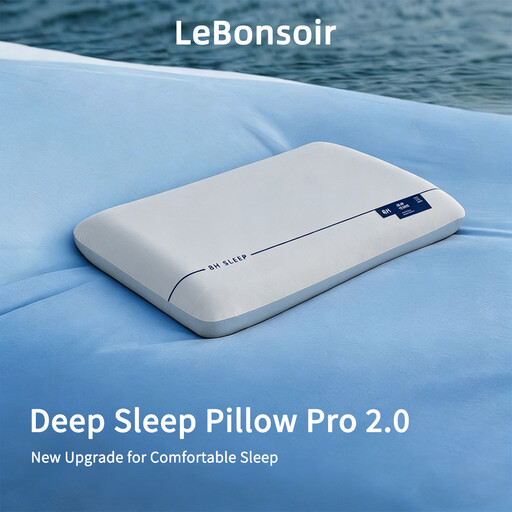
- What sets it apart: This model uses a proven design, making it a compelling alternative to the Atour Planet pillow. It is made of slow-rebound memory foam, offering an excellent balance between firmness and softness. Its ergonomic design includes a central hollow to facilitate breathing and a cervical curve designed to follow the natural contours of the neck and shoulders.
- Advantages:
- Targeted support for the neck and shoulders.
- Memory foam that adapts to your body shape.
- Suitable for multiple sleeping positions (side, back, stomach).
- Who is it for? People who spend long hours at a desk, students, and anyone looking for their first anti-neck pain pillow to transform their nights.
LEBONSOIR Deep Sleep Pro 3.0 Pillow: The Multi-Layer Design
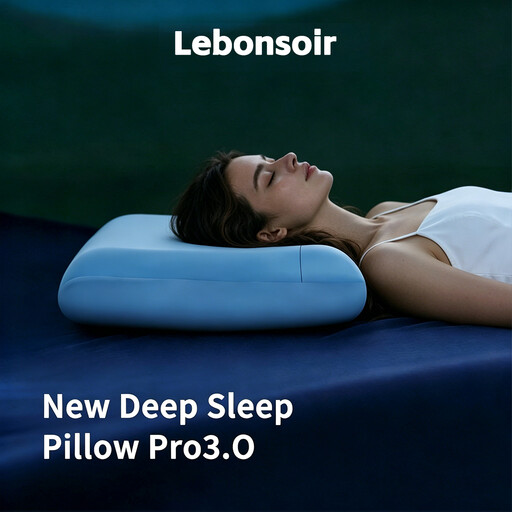
- What sets it apart: This Pro 3.0 model goes a step further with a 3-layer foam construction. The first layer gently cradles the head, the second provides support to prevent sinking, and the third, at the base, ensures firm stability. This complex architecture promises progressive comfort and tailored support. Its cover has also been improved to be more breathable and better regulate temperature—a real bonus for those who tend to sweat at night.
- Advantages:
- 3-layer structure for nuanced support.
- Breathable cover that wicks away moisture.
- Optimal alignment of the head, neck, and spine.
- Who is it for? Sleepers looking for more structured support and better temperature management, or those who want to upgrade from a classic memory foam pillow.
Momcozy U-Shaped Nursing Pillow: The Versatile Support
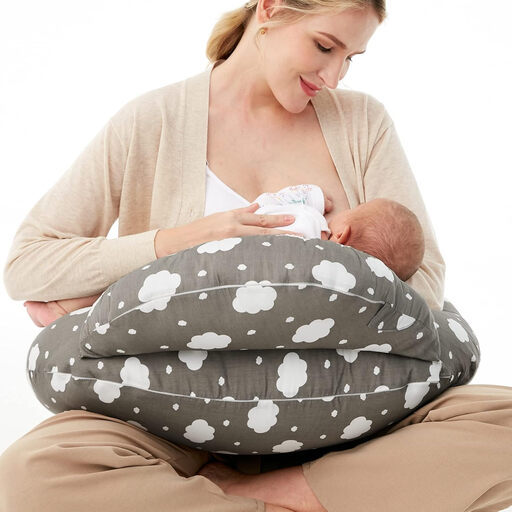
- What sets it apart: Although not a cervical pillow in the strictest sense, this U-shaped cushion earns its place in our selection for its incredible versatility. Originally designed for nursing, it offers excellent ergonomic support in a seated position. It can be used to elevate the legs, support the back while reading in bed, or relieve pressure on the arms and shoulders in multiple situations.
- Advantages:
- Removable 100% cotton cover, soft and breathable.
- Adjustable strap for a perfect fit.
- Versatile: ideal for nursing, reading, or as a simple comfort support.
- Who is it for? New parents, but also anyone looking for a modular support cushion for their seated or semi-reclined activities.
Explore Other Solutions for Your Comfort
Because comfort doesn't stop at the bedroom door, good support is just as essential for your moments of relaxation on the patio or in the garden. If you're looking to furnish your outdoor spaces, be sure to discover our selection of classic patio seat cushions.
Cervical Pillow: Your Questions, Our Answers
What is the lifespan of a memory foam pillow?
On average, a good quality memory foam pillow has a lifespan of 3 to 5 years. Over time, the foam can lose its elasticity and support. If you notice it's sagging or no longer returns to its original shape, it's probably time for a replacement.
How do I know if a cervical pillow is the right height?
A simple test: lie down in your favourite sleeping position and have someone check your spinal alignment. Your neck should neither be bent upwards nor sagging downwards. It should remain a natural extension of your spine. If you sleep on your side, your nose should be aligned with the centre of your chest.
Is an anti-pain pillow suitable for all sleeping positions?
Many ergonomic pillows are designed to be versatile. However, their effectiveness will always depend on their shape. Models with a central curve are often perfect for back and side sleepers. Stomach sleepers, on the other hand, will need to be more cautious and opt for very low and soft pillows to avoid accentuating neck torsion. Ultimately, it's all a matter of harmony between the pillow's shape, your body type, and your sleeping habits.


