
Livraison le jour même ou le lendemain

Qualité garantie

Débloquez vos offres de bienvenue: Livraison GRATUITE | Jusqu'à -80 % | 30 jours d'essai gratuits à JoyPlus
Téléchargez l'application
With the rise of remote work, choosing the right desk is no longer a luxury but an essential part of an effective setup. The problem: the market is flooded with models making tempting promises that often hide deal-breaking flaws. A wobbly desk, a top that scratches at the slightest touch, or poorly designed storage can quickly turn your purchase into a daily nightmare. We'll break down the pitfalls to avoid so you can set up a home workstation that's functional, ergonomic, and built to last.
In the rush to buy, it's easy to be swayed by design and forget the essentials. Here are three key points to watch out for to avoid buyer's remorse:
To make the right choice, ignore the marketing hype and focus on concrete criteria. Here are the three things you absolutely must check before you pull out your credit card.
Sturdiness is fundamental. Pay close attention to the support structure. A robust steel frame with generously sized tubes (for example, 5?x?5?cm) is a guarantee of longevity. Check the maximum load capacity specified by the manufacturer. A high value (over 100 kg) ensures the desk will easily support multiple monitors, a computer tower, and your files without ever sagging. Wood and metal desk models often combine this durability with a highly sought-after industrial style aesthetic.
Don't just look at the total width. The depth of the desktop is just as crucial for your comfort. A depth of 60?cm is the bare minimum, but aim for 80?cm to have enough distance from your screen and space for a keyboard and documents. For a desk for 2 people or for users who need a lot of space, a large 180cm desk offers unparalleled user comfort. Also, consider the legroom and whether you can slide a mobile file cabinet underneath.
The desktop is the surface you'll use every day. Medium-Density Fibreboard (MDF) with a laminate finish often offers the best value for money. It provides good resistance to scratches and water and is easy to clean. Make sure the edges of the desktop are also well-protected to prevent them from chipping over time. Details like adjustable feet under the legs make a real difference in ensuring perfect stability, even on an uneven floor.
To help you see how these criteria apply in practice, here are a few configurations tailored to specific needs.
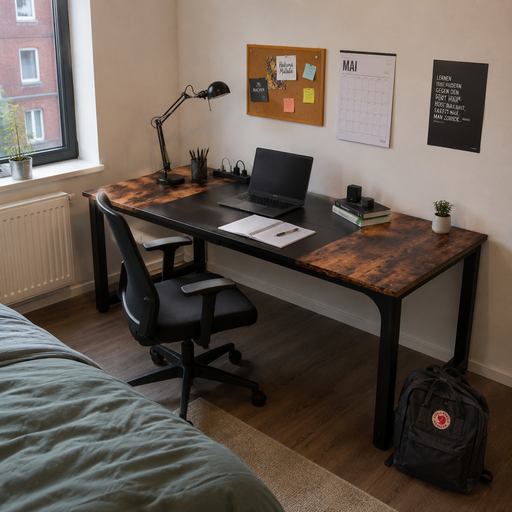
Why we recommend it: The perfect solution for those who juggle multiple screens, need creative space, or share their desk with a partner. Its XXL dimensions let you work without ever feeling cramped.
Its steel frame (5 x 5 cm tubes) and impressive maximum load capacity (up to 260 kg) guarantee rock-solid stability, even with a very heavy setup.
Large 180cm x 80cm desk perfect for two. Scratch- and water-resistant laminate desktop for easy maintenance.
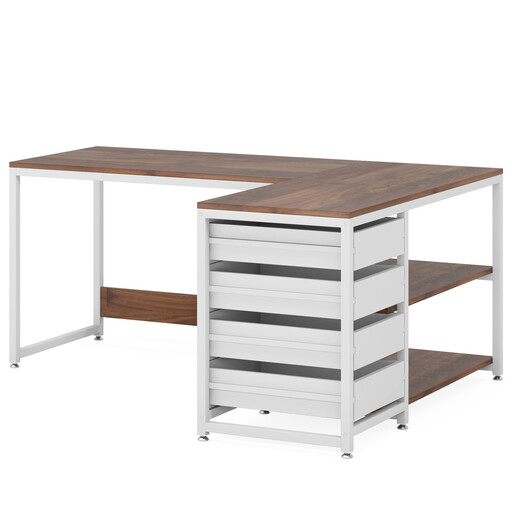
Why we recommend it: Perfect for making the most of a room corner, an often-underutilised space. It naturally separates the computer area from your paperwork space while integrating storage.
No more clutter! With 4 drawers and 2 shelves, it offers significant storage. Its clever design is reversible, allowing you to place the drawers on the left or right.
Corner desk with storage that's integrated and modular. Sturdy metal frame and adjustable feet for optimal stability.
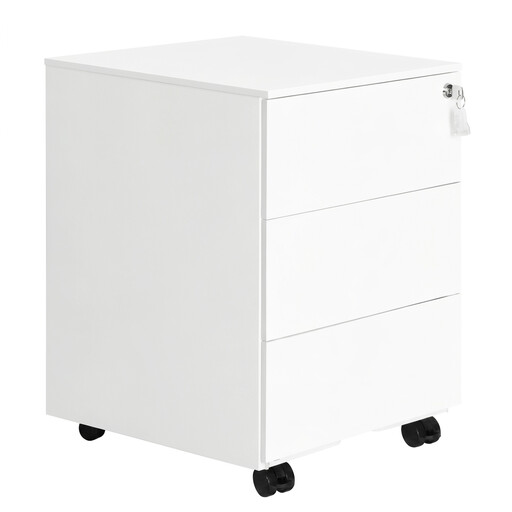
Why we recommend it: The solution for those who love minimalist desks but don't want to sacrifice storage. This cabinet slides under the desk or sits beside it, however you see fit.
It provides a sturdy and secure storage solution (main drawer is lockable) without cluttering the desk. Delivered pre-assembled, it saves you the headache of poorly sliding drawers.
Steel frame, 3 spacious drawers, and mobility thanks to 5 casters (2 with brakes). A perfect companion to a desk like the LANTINE 160 x 80 cm.
To complete your setup, discover our selection of storage solutions that combine practicality and durability.
Most desks have a height between 72 and 76?cm. This is a standard that suits most users with a standard office chair. The key is to be able to keep your forearms horizontal (elbows at a 90° angle) and your feet flat on the floor or on a footrest.
Absolutely. Most wood and metal desk models combine a treated steel frame with a wood-look laminate MDF top. These materials are specifically chosen for their durability and ease of maintenance. A simple wipe with a damp cloth is all it takes to clean it, making it a very practical choice for daily use.
Check the product page: the presence of clear instructions, numbered parts, and included tools is a good sign. Customer reviews are also a goldmine for gauging the complexity of assembly. Some models, like file cabinets, even arrive pre-assembled (only the casters need to be attached), which is a real bonus to avoid any hassle.