
Livraison le jour même ou le lendemain

Qualité garantie

Débloquez vos offres de bienvenue: Livraison GRATUITE | Jusqu'à -80 % | 30 jours d'essai gratuits à JoyPlus
Téléchargez l'application
Ants along the skirting boards, little flies around plants, mosquitoes in the bedroom or flies in the kitchen: choosing a home insect control product depends above all on the insect you want to target, the room concerned and the level of protection you are looking for. A spray, a diffuser and a trap do not meet the same needs.
Before placing your order, it is also worth avoiding a few common mistakes. They can increase the cost without necessarily improving day-to-day effectiveness.
An insect spray works when it is applied. A mosquito repellent diffuser, on the other hand, is designed to work continuously under the conditions set out in the instructions. A fly trap, a gnat trap or a yellow sticky trap for plants works differently: it attracts and then captures the insects present.
A product described as ‘universal’ will therefore not necessarily replace a targeted solution. Always check which insects are listed on the label.
The stated duration varies according to the format and how the product is used. It may refer to a protection period, a replacement interval or residual action on certain surfaces. For example, a diffuser may specify a number of nights, while an adhesive strip will need replacing once it is covered with insects or after a defined period.
Long-lasting protection against insects should therefore be considered alongside the size of the room, frequency of use and the cost of refills.
A household insecticide or repellent may come with specific precautions, such as ventilation, keeping it away from children and pets, protecting aquariums or not spraying into the air. A fragrance-free product is not automatically harmless.
For biocidal products, read the label and product information before use. Follow the dosage, application area and instructions for storage and disposal.
An ant killer is therefore not interchangeable with a cockroach treatment, even though both insects move along the floor.
For occasional treatment, a ready-to-use aerosol is easy to store and use. A refillable diffuser is more suitable for a bedroom or a room occupied every evening during mosquito season. Traps avoid the need for spraying, but they do require suitable positioning and regular replacement.
In particular, check:
The presence of an active substance must be clearly stated on the packaging. For aerosols, also check the symbols relating to flammability, pressure and the environment. A water-based or fragrance-free formula may reduce certain inconveniences, but does not remove the need to follow the safety instructions.
Never use a biocidal product outside its authorised purpose. Also avoid surfaces that come into contact with food, aquariums, cages and areas accessible to children or pets whenever the instructions specify this.
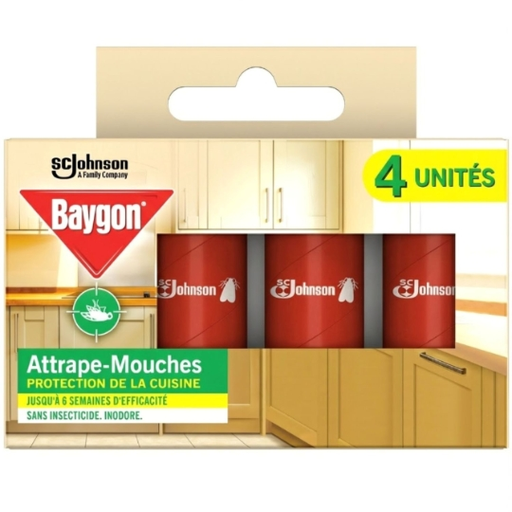
Why this choice suits this profile : This fly trap lets you take action without spraying. It is particularly suitable for rooms where you want an insecticide-free solution with no added fragrance.
It works completely differently from an aerosol : flies become stuck to an adhesive strip. Allow one trap per 10 m² and replace it in accordance with the instructions.
The pack contains four strips and is designed for indoor use, with no insecticide claimed. The tape is highly adhesive: hang it out of reach.
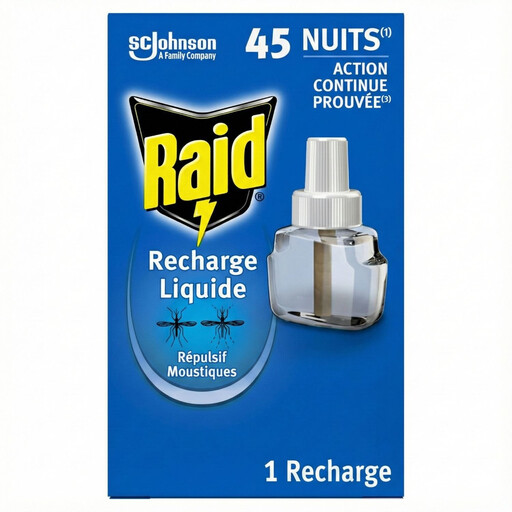
Why this choice suits this profile : This refill is designed for people who want regular diffusion throughout the nights they use it, with a formula containing no added fragrance.
The stated 45 nights are based on eight hours of use per night. This makes it easier to estimate the actual cost of use than with a vague long-lasting claim.
32 ml refill with no added fragrance, which screws onto the compatible diffuser. Do not use it near an aquarium, bees or a birdcage.
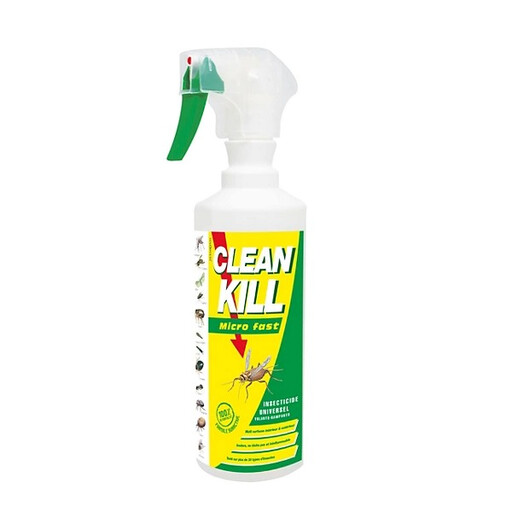
Why this choice suits this profile : Its 500 ml format and targeted surface application may suit homes dealing with several types of flying or crawling insects.
The instructions specify that this is a surface product, not an air freshener spray. This prevents it from being dispersed into the air inappropriately.
The formula is described as odourless and non-flammable, with quick drying and possible application to frames, cracks and routes used by insects. Ventilate after treatment.
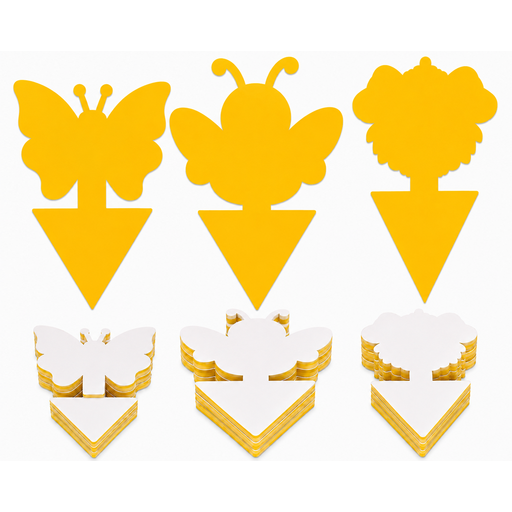
Why this choice suits this profile : These leaf-shaped yellow traps blend easily into the surroundings near houseplants. They let you monitor small insects without spraying any product.
With 30 traps, the pack is enough for several pots, unlike smaller packs that can quickly prove insufficient. Place the traps near the affected plants and check their condition.
The adhesive is described as water-resistant, and the format is well suited to plants. However, check the instructions before placing a trap on an exposed balcony.
We have put together a complete, real-time updated list of products that meet these demanding selection criteria and European safety regulations.
To reduce repeat purchases, combine treatment with a few simple measures:
For occasional use, you could consider an indoor repellent spray, carefully following the instructions. For repeated use at night, a diffuser with a refill may prove more convenient. In all cases, never spray the product on your skin or face unless it is specifically designed for this purpose, and take account of the precautions concerning children.
It depends on the model and how saturated it is. The BAYGON trap featured here should be replaced every six weeks or as soon as it is covered with insects. A yellow plant trap should be replaced when its adhesive surface is full or it is no longer catching enough insects.
Compare the cost per use rather than the price of the bottle. For a spray, estimate how many treatments you will need. For a diffuser, check how many nights each refill covers. For a trap, consider the number of units in the pack and how often they need replacing. This approach helps you choose a solution suited to the area actually affected.