
Livraison le jour même ou le lendemain

Qualité garantie

Débloquez vos offres de bienvenue: Livraison GRATUITE | Jusqu'à -80 % | 30 jours d'essai gratuits à JoyPlus
Téléchargez l'application
Mosquitoes in the bedroom, tiny flies around your plants, ants in the kitchen or flies near the windows: each situation calls for a different solution. Yet insect control products are often promoted with broad claims that don’t always reflect real-life conditions.
Before buying an insect repellent, a household insecticide or a trap, take the time to check three things: the area to be treated, the insect you’re targeting and the safety instructions. It’s a simple way to avoid buying the wrong product and choose protection that genuinely suits your day-to-day needs.
A body spray, such as a mosquito repellent, is applied to exposed areas of skin. It doesn’t replace an insecticide designed for surfaces or a plug-in device intended for a room. Conversely, an indoor spray must never be applied to the skin.
So read the directions on the packaging carefully: skin, indoor air, surfaces, plants or non-spray trapping.
A claim such as ‘lasts for several hours’ depends on many factors: ventilation, temperature, humidity, activity in the room and whether you use the recommended amount. For a mosquito repellent plug-in, the operating time also depends on the refill size and how many hours it’s used each day.
Treat the stated duration as a guide to performance under the conditions specified by the manufacturer, not as a guarantee that it will last the same amount of time in every home.
Aerosols and plug-in devices sometimes contain regulated active substances. In France, biocidal products must be used in accordance with their label and instructions. You should take particular care if there are children or pets in the home, if you have an aquarium, or if anyone is sensitive to smells.
Never spray a product intended for surfaces into the air unless this use is specified. Ventilate rooms as instructed and keep products out of children’s reach.
An ant or cockroach treatment won’t meet the same need as a fly trap. For flying insects, you can compare an indoor mosquito spray, an electric plug-in device or a sticky trap. For crawling insects, a household insecticide applied in cracks and along skirting boards will often be more suitable.
In the kitchen, choose a solution that leaves minimal residue, and follow the instructions for surfaces that come into contact with food very carefully. For plants, traps for tiny flies and yellow sticky traps let you target the affected area without spraying the whole room.
For a body repellent, check the active substance, its concentration and the minimum age specified. For example, the Marie Rose spray featured below lists 20 % IR3535, along with age-dependent restrictions on how it should be applied.
For an insecticide, check the approved uses, target insects and application method. Terms such as TP19, used for biocidal repellents when they appear on the label, should be read alongside the product’s full instructions.
A 300 or 500 ml aerosol is better suited to treating several areas, but it requires good ventilation and particular care near heat sources. An electric plug-in device is unobtrusive, but you’ll need a compatible socket and the right refill. A sticky trap avoids spraying, but should be placed out of reach of children and pets.
Also consider how many rooms you need to protect, how often you’ll use the product and how much replacement refills cost. A product that’s cheaper to buy may end up costing more if you need to replace it frequently.
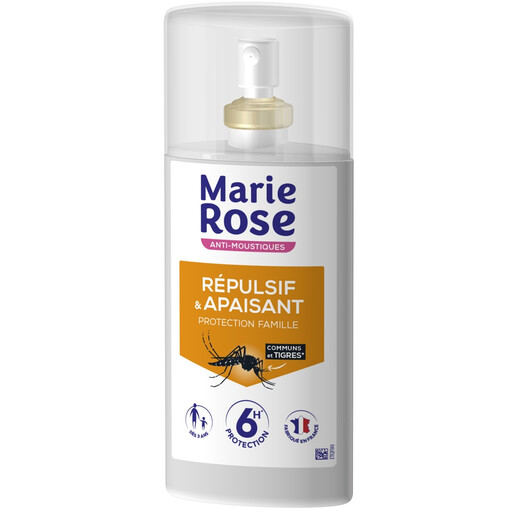
Why this is a good fit for this profile : At 100 ml, it slips easily into a bag for an outing, a trip or occasional use on exposed areas of skin.
The product details specify a minimum age of 3, the maximum number of applications and how to apply it to the face. So it’s not a universal product for use on every surface.
Advertised formula with 20 % IR3535, 100 ml size, allantoin and menthol, according to the product details.
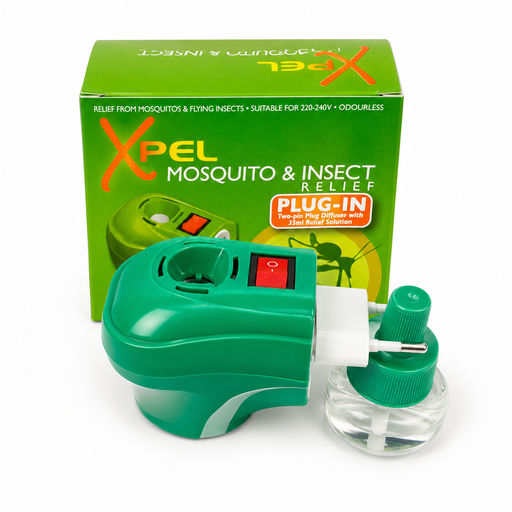
Why this is a good fit for this profile : This plug-in device is for anyone looking for a discreet solution for a bedroom, living room, home office or holiday home.
As it works without spraying, there’s no need to treat surfaces regularly. However, check that the plug is compatible and only use the recommended refills.
220–240 V system, includes a 35 ml refill and offers up to 45 nights’ use according to the product details.
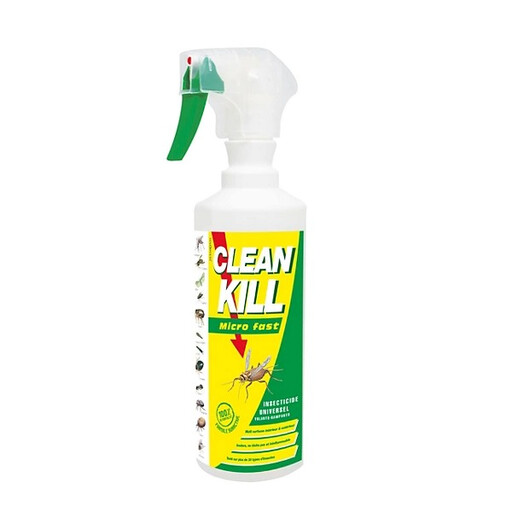
Why this is a good fit for this profile : At 500 ml, this product may suit a home or premises where several surfaces need treating for flying and crawling insects.
The product details specify that it is for use on surfaces only: it must not be sprayed directly into the air. Ventilate the room after use.
500 ml size, advertised as odourless, and suitable for application to frames, skirting boards, cracks and other specified areas.
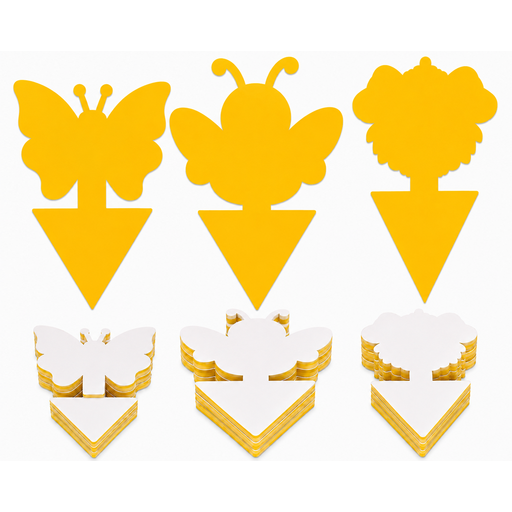
Why this is a good fit for this profile : These traps can be placed directly in plant pots to target small insects around your plants without using an aerosol.
The traps keep insect control focused in the potting soil or close to the plant, so there’s no need to treat the whole room. Replace the traps when they’re covered in insects or no longer sticky.
Pack of 30 leaf-shaped traps, with adhesive described as water-resistant in the product name.
We’ve put together a complete selection, updated in real time, of products that meet these strict criteria and European safety regulations.
In a bedroom, start by comparing a mosquito repellent plug-in designed for indoor use with a trap that doesn’t involve spraying. Check ventilation, electrical compatibility and any precautions for use around children or pets. Body spray should only be applied to the skin, in accordance with its instructions.
The duration depends on the refill size, how many hours the device is used and the conditions of use. Some models claim to last for several nights, but the refill should be replaced when it’s empty or as directed on the packaging.
Yes, they can target some flying insects, particularly around plants or windows. However, how well they work depends on where they’re placed, the temperature and whether there are other things attracting insects. Keep them out of children’s and pets’ reach, and replace them when they’re full.