What should you look for first?
First, decide whether you’re looking for a specific amount of protein or biscuits to share. Then compare products intended for that purpose, rather than assuming what they contain from claims on the front of the pack.
| What matters to you |
What to check |
Who is this for? |
| Protein per serving |
Check the protein per 100 g and calculate how much you’ll get from the amount you plan to eat. |
If I’m choosing a snack to have around a workout, I want to know how much protein I’ll get from my pack, rather than relying on the product name alone. Around 33% of consumers prioritise this measurable amount. |
| Salt and ingredients |
Compare the salt per 100 g in similar products and check the Nutri-Score if one is displayed. |
If I regularly serve biscuits with drinks, their salt content matters more to me than a claim on the pack. This is the main priority for around 33% of consumers. |
| Allergens and dietary restrictions |
Check the ingredients, highlighted allergens and any ‘may contain’ statements on the exact product you’re buying. |
If I need to avoid an ingredient, a chickpea-based recipe or a ‘gluten-free’ claim doesn’t mean I can skip reading the full label. For around 20% of consumers, checking suitability comes before all other criteria. |
| Pack size for the week |
Check the pack weight and choose an amount that suits the occasions you plan to serve it. |
If I’m planning a few get-togethers during the week, I prefer a pack size I can realistically use, either on my own or to share. Around 14% of consumers put pack size first. |
Brands to know for comparison
These brands offer useful points of comparison in the savoury snack aisle, but check each product individually.
Belin
Belin offers a range of savoury biscuits, including Chipster, Monaco, Minizza and Croustilles.
- The range includes different types of biscuits, so you can choose a format to share.
- The brand name alone doesn’t tell you the protein or salt content, or which allergens a specific product contains.
Vico
Vico offers puffed snacks, nuts and lentil crisps, among other products.
- The range offers alternatives to classic savoury biscuits.
- For Dixi Tomate, Vico lists peanuts and says the product may contain milk, tree nuts and gluten. Check the specific product you choose.
Carrefour
Carrefour sells savoury biscuits under several of its own ranges and also stocks national brands.
- The products in the aisle make it possible to compare biscuits intended for the same occasion.
- Carrefour Sensation Hyperprotein orange biscuits are sweet fruit biscuits, not savoury biscuits.
Auchan
Auchan’s range includes crackers and snacks made with chickpea flour.
- These categories let you compare classic biscuits with pulse-based products.
- Chickpea flour alone doesn’t tell you how much protein you’ll get per serving or how much salt the product contains. Check the label.
Biscuits and savoury snack alternatives on Joybuy
This selection includes two crackers, one classic savoury biscuit and two pulse-based snacks. For your weekly shop, check the product category and pack size before comparing the nutritional values of each item.
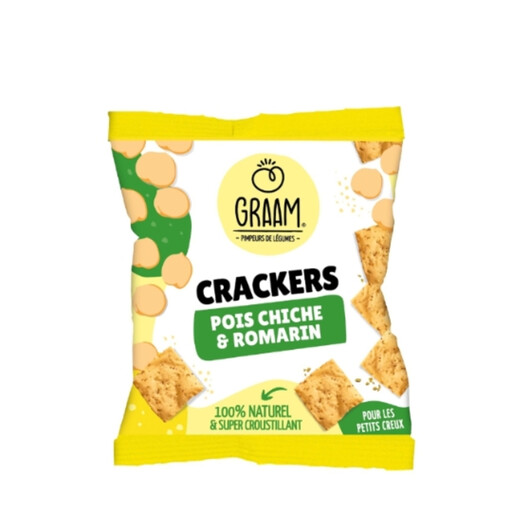 Image unavailable
Gram Chickpea Cracker, 30 g
This single-serve pack of chickpea crackers may suit you if you want to work out how much protein you’ll get from the amount you eat. Also compare the salt and check the ingredients, especially if you need to avoid wheat.
View on Joybuy
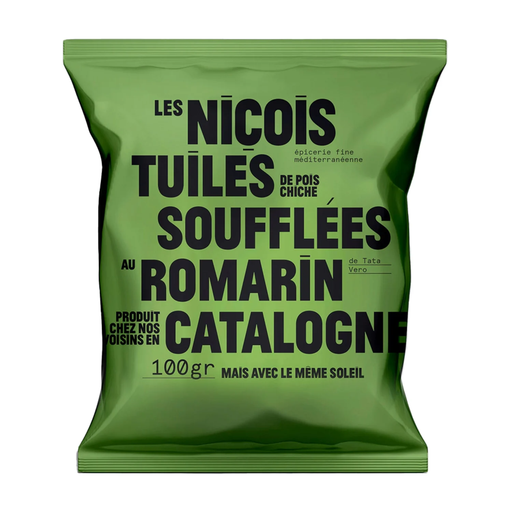 Image unavailable
LES NICOIS rosemary chickpea crisps, 100 g
These crisps are a chickpea-based option for snacks and drinks. To compare them with other crackers, check the protein and salt per 100 g, then consider how much you plan to serve. Check the packaging if you need to avoid gluten.
View on Joybuy
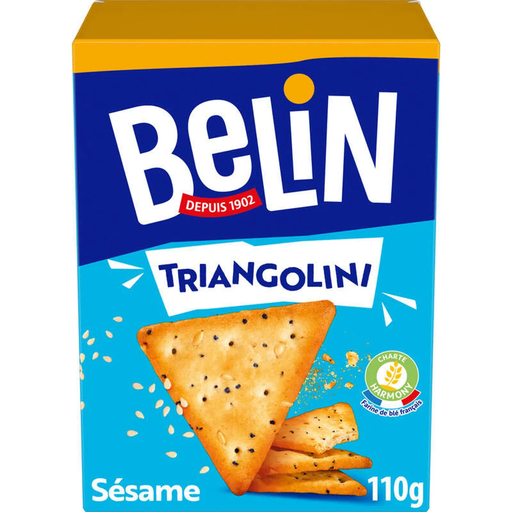 Image unavailable
Belin Triangolini sesame crackers, 110 g
This pack of crackers is a classic snack to share, rather than an option specifically chosen for its protein content. Compare its salt and saturated fat content with similar biscuits, and read the allergen information.
View on Joybuy
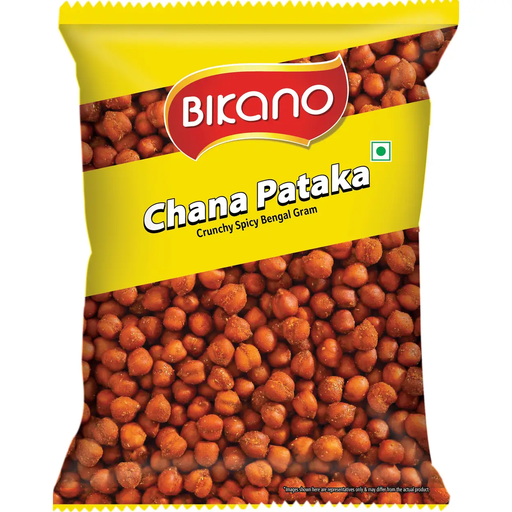 Image unavailable
Pataka Mix Chana, 200 g
This chickpea snack is different from a biscuit or cracker, offering another type of product to serve with drinks. If you’re comparing it with other pulse-based snacks, check the salt and protein for the amount you’ll serve, as well as the allergens listed.
View on Joybuy
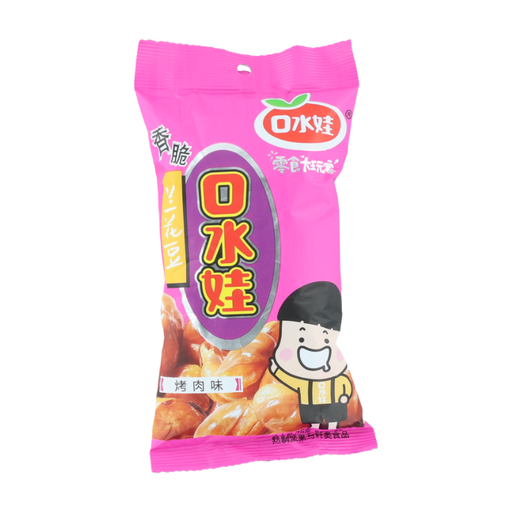 Image unavailable
Kou Shui Wa barbecue-flavoured broad beans, 75 g
This pack of broad beans is a pulse-based snack, not a savoury biscuit. If you’re looking to limit your salt intake, compare its nutritional declaration with those of other snacks intended for the same occasion. Also check the allergen information on the pack.
View on Joybuy
Frequently asked questions
Is the Nutri-Score compulsory on savoury biscuits in France?
No. Santé publique France says that displaying it is voluntary. For prepacked foods, the DGCCRF distinguishes this logo from mandatory information, including the nutritional declaration and ingredients list.
How can I compare two savoury biscuits if one doesn’t show a Nutri-Score?
Compare their nutritional declarations per 100 g, particularly the salt and saturated fat, then check their ingredients and how much you plan to serve. The absence of a logo doesn’t tell you whether the product would receive a better or worse score.
Is a high-protein savoury biscuit enough to choose a post-workout snack?
No. The high-protein claim alone isn’t enough to assess whether the product is suitable for this purpose. Check the protein in the portion you’ll actually eat, as well as its overall composition, and don’t take this information as personalised recovery advice.
Which allergens should I check in these products?
Read the allergens highlighted in the ingredients list and check for any ‘may contain’ statements on the product you choose. Depending on the recipe, wheat, milk, eggs, soya, peanuts or tree nuts may be present. A pulse-based product isn’t necessarily free from these allergens.
How should I store opened savoury biscuits during the week?
Follow the storage instructions on the packaging. After opening, reseal the pack or use an airtight container to help keep the biscuits crisp, following any product-specific instructions.


