
Livraison le jour même ou le lendemain

Qualité garantie

Débloquez vos offres de bienvenue: Livraison GRATUITE | Jusqu'à -80 % | 30 jours d'essai gratuits à JoyPlus
Téléchargez l'application
Fruity and exotic drinks offer plenty of variety: fruit juices, nectars, lemonades and Asian specialities – there’s something for everyone. However, be aware that the packaging can give the impression of a very fruity or light drink, when the recipe actually contains mostly water, sugar and flavourings. To avoid unpleasant surprises, a few simple checks are all it takes.
A tropical drink may contain very little juice, topped up with water, sugar, flavourings or acidity regulators. The OASIS tropical drink pack of 6×33cl is a good example: it contains 12% juice from concentrates, including orange, apple, mango and passion fruit. This puts it in a different category from a fruit juice or a nectar.
Before you head to the checkout, check the exact product description and the percentage of juice stated on the label.
A drink with no added sugar can still contain the sugars naturally present in the fruit. The Don Simon Disfruta No Added Sugar Multifruit Nectar PET 1.5L, for instance, has 4.2g of sugar per 100ml and contains a sweetener. To know whether a drink is genuinely sugar-free, you need to rely on the nutritional table and the ingredients list.
Always compare the “of which sugars” line and look out for the presence of sucralose, stevia or other sweeteners.
A 2L bottle is handy for a family meal, but it will take up space in the fridge once opened. Individual cans are easy to take on a day out, a picnic or a party, though the price per litre can be higher. Imported products may also have different storage instructions.
Check the total volume, the number of units, the best-before date and the recommended consumption time after opening.
To compare two drinks properly, always use the same basis: the nutritional values per 100ml. Here are some benchmarks from our selection:
These figures don’t tell you about the taste, but they make it easier to compare a fruity fizzy drink, a nectar or a no-added-sugar drink.
The term “fruity” covers a wide range of drinks:
Texture matters when the drink accompanies a meal or needs to be served to several people.
For occasional drinking, a 200 to 330ml can avoids leftovers. A drinks pack of six or twelve units is better suited to snacks, parties or stocking up. For the whole family, 1 to 2L bottles are more economical and practical, provided you follow the storage instructions after opening.
Also think about storage: plastic bottles, cans and cartons all take up different amounts of space. Recycling and sorting instructions are usually shown on the packaging.
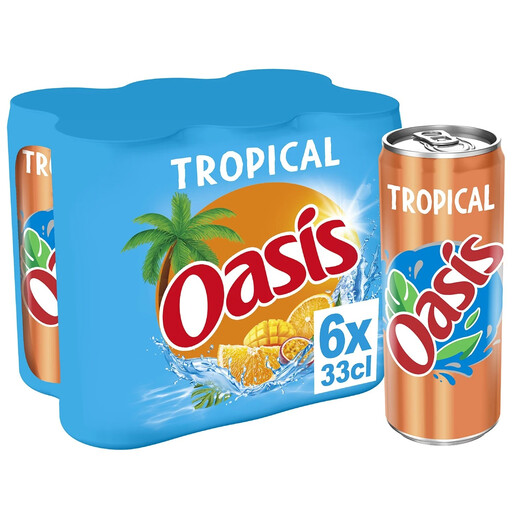
Why this choice suits this profile: The pack of six 33cl cans makes it easy to manage portions and works well for meals, days out or individual breaks.
The 12% juice content, along with the values of 26kcal and 6g of sugar per 100ml, are clearly stated. It’s therefore easy to tell this drink apart from a pure juice.
Six 33cl cans, a drink made in France and best served well chilled.
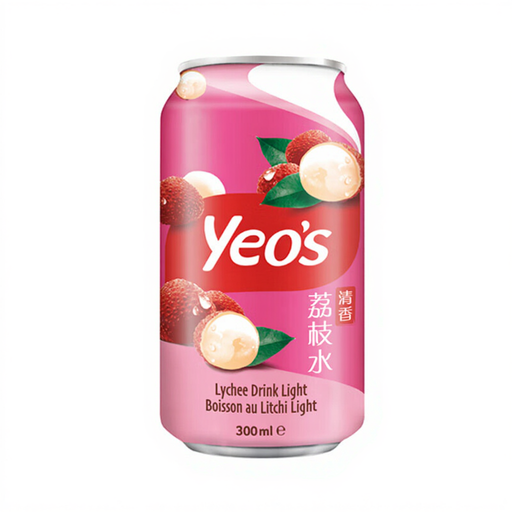
Why this choice suits this profile: Its lychee flavour and individual format will appeal to those who enjoy Asian discoveries, perfect with a meal or served chilled.
The recipe contains 2% lychee juice: choose this drink for its aromatic note, not for a high fruit content.
300ml can, 20kcal and 4.9g of sugar per 100ml, with an allergen list indicating no known allergens.
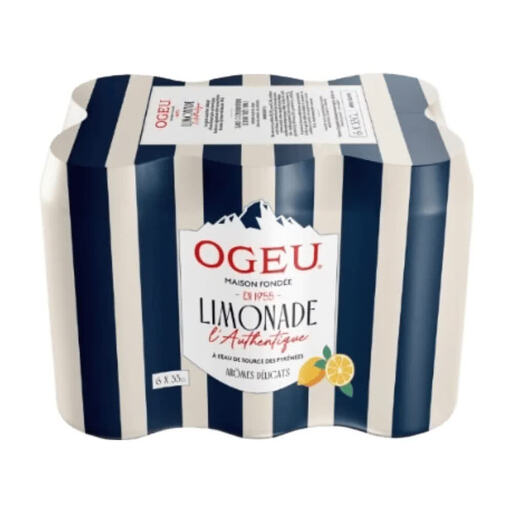
Why this choice suits this profile: The pack of six 33cl cans is ideal for meals with several people, parties and everyday supplies.
The recipe details 92% sparkling water, 7.4% sugar and natural lemon and orange flavourings: its composition is easy to understand.
A lemonade made in France, with cans and shrink wrap stated as recyclable on the product page.
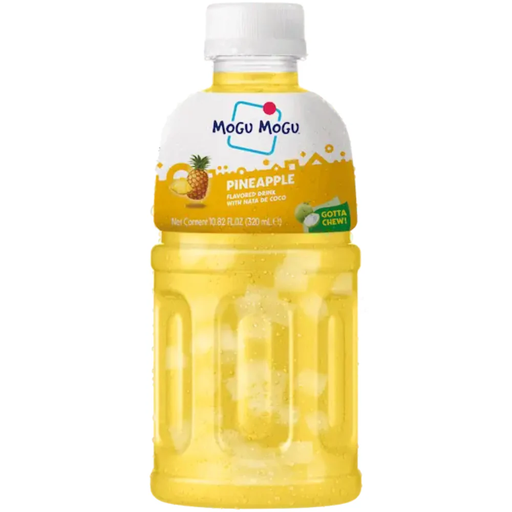
Why this choice suits this profile: The pieces of nata de coco completely change the mouthfeel compared to a standard juice and offer a truly original experience.
The product page mentions concentrated pineapple juice, nata de coco and 12g of sugar per 100ml: it’s best to know what to expect in terms of texture and ingredients.
32cl bottle, pineapple flavour and pieces of nata de coco incorporated into the recipe.
We’ve put together a full selection, updated in real time, of products that meet these exacting criteria and European safety standards.
A fruit juice is obtained directly from the fruit. A fruit nectar, on the other hand, may contain juice or purée, water and, depending on its category, sugar. A fruity drink may have a lower proportion of fruit and include flavourings. The product description and the ingredients list remain the best indicators.
Compare the amount of sugar per 100ml, but also the actual volume you consume. The Don Simon carries the “no added sugar” claim, while still showing 4.2g of sugar per 100ml and containing a sweetener. Some sugar-free drinks may also contain sweeteners or a small amount of juice. The claim on the front of the pack is no substitute for reading the nutritional table.
Always follow the manufacturer’s recommendations. For several products, it’s advised to keep the drink in the fridge after opening and consume it within three to four days. A can or small bottle is generally intended to be drunk straight away. Check the label carefully, especially for drinks containing pulp, aloe vera gel or fruit pieces.