
Livraison le jour même ou le lendemain

Qualité garantie

Débloquez vos offres de bienvenue: Livraison GRATUITE | Jusqu'à -80 % | 30 jours d'essai gratuits à JoyPlus
Téléchargez l'application
Facing a wall of colourful bottles in the drinks aisle can be daunting. When you're looking for a truly refreshing citrus drink, the sheer number of options can quickly become overwhelming. Between labels boasting "natural flavours" and dreamy packaging that evokes sun-drenched orchards, it's easy to make the wrong choice. You end up with a product that disappoints in taste, ingredients, or price.
To avoid getting duped, here are the most common traps to be aware of.
To make an informed decision, you just need to scan a few key points on the label. These indicators will help you choose the refreshing drink that truly matches what you're looking for.
The product's name is your first clue. Regulations are strict and help you see clearly:
A short ingredient list is almost always a sign of quality. Take a look at the "Carbohydrates, of which sugars" line: it's the best way to compare the sugar dose between two products. Steer clear of terms like "glucose-fructose syrup," which are just disguised added sugars. For a lighter version, a sugar-free sparkling citrus water or a citrus soda with sweeteners are alternatives to consider.
The ideal format will naturally depend on the occasion:
To guide you, we've selected products that tick all the boxes for different consumer profiles, applying the criteria we've just covered.
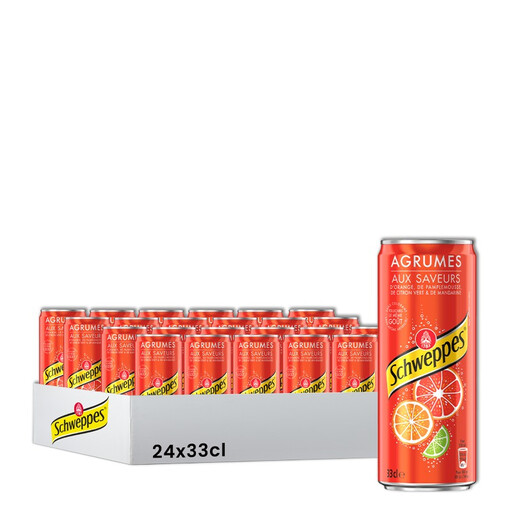
Why it's a great match: Perfect for a sparkling, thirst-quenching, ready-to-drink beverage. The blend of orange, grapefruit, lime, and mandarin flavours is a timeless classic that's always a crowd-pleaser, whether for a break or as an aperitif.
The brand is transparent: it's a soda with citrus extracts, not a fruit juice. There's no room for confusion.
A recipe with natural flavours and no artificial colours. The can format is ultra-convenient for on-the-go or for portion control.

Why it's a great match: For those who want total control over what's in their glass. This appliance lets you make fresh juice on demand: zero added sugar, zero preservatives, and maximum vitamins.
It shatters the stereotype of tedious "homemade" juicing. Its dual-cone pressing system ensures maximum yield, and its detachable parts make cleanup a breeze.
5 adjustable pulp levels for a truly customised juice. Its bladeless design makes it perfectly safe for family use, and its materials are guaranteed BPA-free.
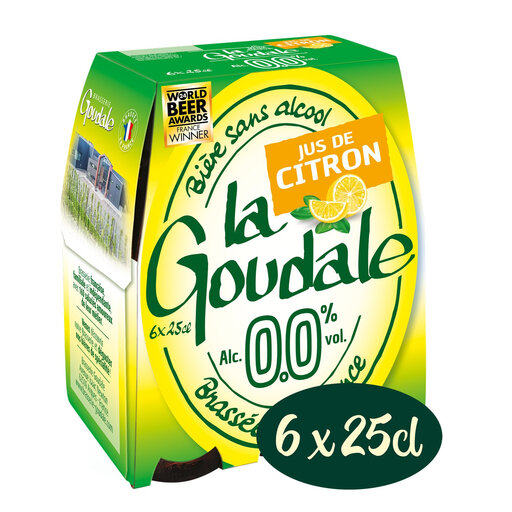
Why it's a great match: The original alternative that shakes up the aperitif and offers a change from the usual sodas. It provides a more complex tasting experience, blending the sweetness of grains with the zest of lemon, all without a drop of alcohol.
The label is crystal clear: "Alcohol-free beer with lemon juice." You know you're buying a drink with character, not just a simple lemonade.
A sophisticated, adult option for those who don't drink alcohol. Its balance of flavours is designed to surprise and refresh.
Discover our complete selection of products, all vetted against our criteria and compliant with current regulations.
A pure juice comes directly from pressing the fruit, followed by pasteurisation before bottling. A juice from concentrate, on the other hand, has been dehydrated (to facilitate transport and storage) and then rehydrated with pure water before being bottled. Nutritionally, the difference is minimal if no sugar is added. In terms of taste, however, pure juice is often considered fresher and more authentic.
Once opened, a citrus drink (juice or soda) must be kept in the refrigerator with the cap tightly sealed. For fruit juice, it's best to finish it within 3 to 5 days to enjoy its freshness. As for carbonated drinks, they lose their fizz much faster, often within 24 to 48 hours.
Yes, by a long shot! An electric citrus juicer guarantees a much better yield, extracting more juice from the same amount of fruit. It's also much faster and requires no effort, which is a major advantage if you regularly make juice for the whole family. Finally, modern models are designed for easy cleaning, removing the main barrier to owning one.