
Livraison le jour même ou le lendemain

Qualité garantie

Débloquez vos offres de bienvenue: Livraison GRATUITE | Jusqu'à -80 % | 30 jours d'essai gratuits à JoyPlus
Téléchargez l'application
The fruit drink aisle is a real jungle! Between classic flavours and exotic varieties, colourful packaging can hide very different realities. Marketing claims, endless ingredient lists... it's hard to know where to start. Our mission? To give you the simple keys to decode labels and choose the refreshing drink that's truly right for you, without making a mistake.
Before you fill your cart, keep an eye out for these three points to avoid disappointment when you get home.
To see things clearly, focus on a few simple criteria that make all the difference.
In Europe, naming conventions are regulated. This is your best clue to what you're drinking:
A minimalist ingredient list is often a sign of quality. Here's what to look for:
The packaging should fit your lifestyle:
To help you see things more clearly, here are a few options that tick all the right boxes.
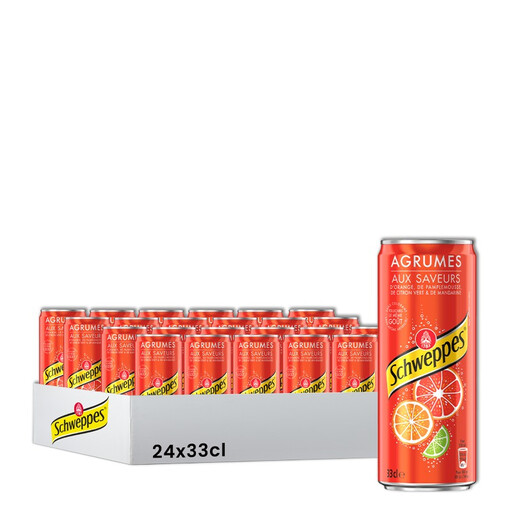
Why we chose it: This pack is the perfect ally for happy hours and large gatherings. The citrus flavour is a crowd-pleasing classic, and the can format ensures a fresh, fizzy drink for every guest. No more wasting large bottles!
It perfectly solves the problem of the wrong format for events. The 24-can pack is easy to store, distribute, and keeps the fizz locked in until the last minute.
A recipe with natural flavours, no colourings, and a controlled calorie count (19 kcal/100ml) for a soda.
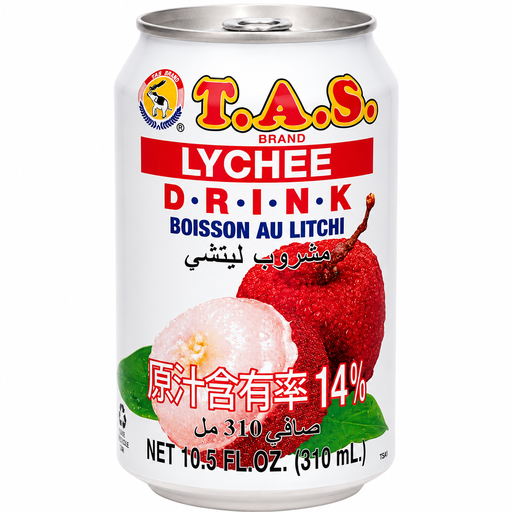
Why we chose it: Craving something different? This lychee drink from Thailand is a true invitation to travel. It's the perfect option for discovering world drinks and surprising your taste buds with an exotic and authentic flavour.
It sidesteps the "fake fruit flavour" trap. There are no artificial flavourings here: the ingredient list is short and highlights real lychee juice for a 100% natural taste.
A simple composition, with no preservatives or unnecessary additives, for a tasting experience that puts the fruit front and centre.
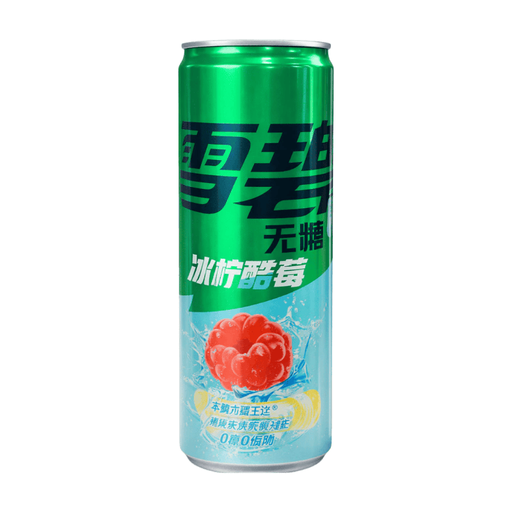
Why we chose it: This imported version of Sprite offers the pleasure of an original flavour (raspberry-lemon) in a zero-sugar, zero-calorie formula. Ideal for indulging without any guilt.
It puts an end to the sugar headache. With 0g of sugar and 0 kcal, the message is crystal clear, far from the ambiguity of "no added sugar" products.
The taste of a fizzy, fruity drink with zero impact on your waistline or sugar intake.
We have curated a complete list of drinks that meet our quality criteria and regulatory standards.
It's all about the fruit content. A juice is 100% fruit. A nectar contains between 25% and 50% fruit, supplemented with water and often sugar. A fruit drink, on the other hand, generally contains less than 25% fruit and often has more additives.
The best practice is to check the "of which sugars" line on the nutritional table (per 100 ml). To give you a benchmark, one sugar cube weighs about 5g. A drink with 10g of sugar per 100 ml therefore contains the equivalent of two sugar cubes in a small glass. Sugar-free or "zero" options show 0g of sugar, thanks to sweeteners.
Yes, almost always. Buying a drink pack (for example, 24 soda cans) is much cheaper per unit than buying them individually. It's the most cost-effective solution for families or for stocking up before an event, while ensuring every drink stays fresh.