
Livraison le jour même ou le lendemain

Qualité garantie

Débloquez vos offres de bienvenue: Livraison GRATUITE | Jusqu'à -80 % | 30 jours d'essai gratuits à JoyPlus
Téléchargez l'application
A lychee drink can come in many forms: lychee juice, lychee soda, Asian lychee beverage, ready-to-drink cans, bubble tea mix or even tinned fruit in syrup. This variety makes it easy to find something you'll love, but it can also make choosing a little trickier.
Certain mistakes crop up time and again among shoppers:
Start by reading the ingredients list. The terms "lychee juice", "lychee purée" and "lychee flavouring" mean very different things.
For example, SAGIKO canned drink contains 7.5% lychee pulp and has 44 kcal and 11 g of sugar per 100 ml. The TAS drink lists lychee juice, water, cane sugar and citric acid, with 52 kcal per 100 ml. This information lets you compare recipes on a like-for-like basis, though taste quality remains subjective.
For a tropical drink to enjoy as it is, check:
A fizzy lychee soda offers a livelier sensation thanks to the carbon dioxide. QDOL products have 28 kcal and 6.9 g of sugar per 100 ml. The DADA drink contains 23 kcal per 100 ml and includes aspartame, with a warning that it contains a source of phenylalanine.
A still lychee drink is better suited to cocktails, smoothies or bubble tea. The ULTRAPOP Bobbasan Naruto combines lychee, passion fruit, green tea and tapioca pearls. Its ingredients list includes 1% lychee juice and 8% pearls, so it sits firmly in the bubble tea category rather than that of a classic fruit juice.
The packaging should match how you plan to use the product:
Once opened, always follow the instructions on the label. Several products recommend refrigeration and consumption within two to three days. For tinned fruit, transfer the contents to a suitable container rather than leaving them in the metal tin.
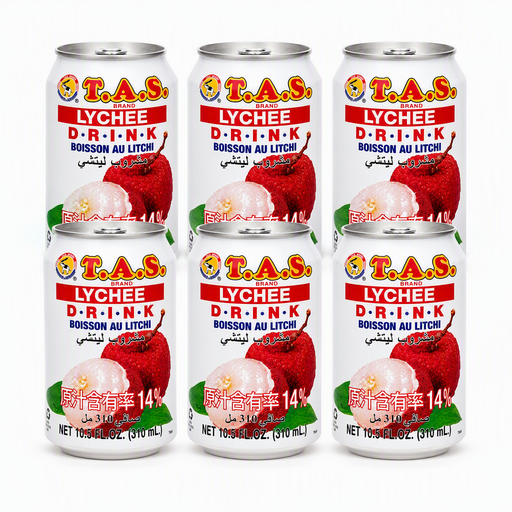
Why this suits this profile: The individual format lets you try a lychee drink without committing to a large pack straight away.
The ingredients clearly list lychee juice, water, cane sugar and citric acid, with nutritional values shown per 100 ml.
310 ml can, stated origin Thailand, and can be used in cocktails or smoothies.
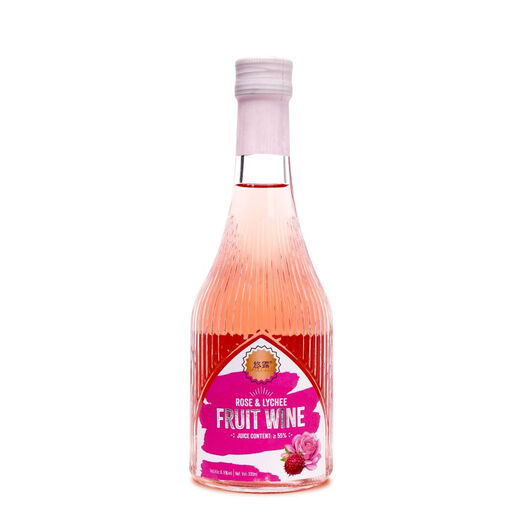
Why this suits this profile: This drink is aimed at adults looking for a fruity, floral alternative, best served chilled for a special occasion or a sociable moment.
The title and product page clearly state an alcohol content of 8.5% vol, so it's not a non-alcoholic drink to be mistaken for a soda.
The combination of lychee, red rose and a hint of honey is best enjoyed well chilled. Please drink responsibly.
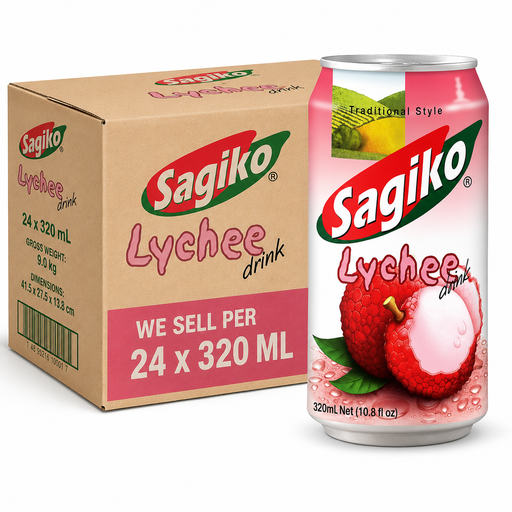
Why this suits this profile: The total volume of 7.68 litres is ideal for parties, family events, professionals and making cocktails or bubble tea in bulk.
The 24-can pack saves you from having to make multiple purchases when serving a crowd. The product page also states it contains 7.5% lychee purée.
320 ml format, stated origin Vietnam, perfect enjoyed on its own, over ice or as a mixing base.
We've put together a comprehensive, real-time updated list of products that meet these strict selection criteria and comply with European safety regulations.
Lychees in syrup aren't a substitute for a ready-to-drink beverage, but they offer far more possibilities in the kitchen. Tins of 227 g, 567 g or 565 g are perfect for desserts, fruit salads, tapioca pearls and cocktails. The syrup can also be used in small amounts to flavour a preparation.
For professional use, the FX Lychees in Syrup 2.84 kg tin is better suited to large quantities. Before buying, check the fruit percentage, net weight, whether citric acid is present and the storage instructions after opening. Any tins that are bulging, leaking, rusty or have an unusual smell should be thrown away.
Go for a still base or a drink that already contains pearls. The ULTRAPOP Bobbasan Naruto combines pearls, passion fruit, lychee and a green tea infusion. To make your own recipe, a SAGIKO drink can serve as a base, with pearls added separately.
Once opened, generally place the can in the fridge and consume the contents quickly. Recommendations vary by product; some suggest drinking within two to three days. Always follow the label as your guide.
It all depends on the recipe. Compare the "of which sugars" per 100 ml line rather than relying on the product name alone. The products we looked at show between 6.9 g and 12.1 g of sugar per 100 ml, while some drinks contain sweeteners. Also consider the can size to work out how much you're actually consuming.