
Livraison le jour même ou le lendemain

Qualité garantie

Débloquez vos offres de bienvenue: Livraison GRATUITE | Jusqu'à -80 % | 30 jours d'essai gratuits à JoyPlus
Téléchargez l'application
Fruit beer has become the star of happy hours and summer evenings. Softer, often sweeter, and seen as more approachable than traditional beers, it appeals to a wide audience with its diverse flavour palette. But be warned: behind the colourful labels and promises of refreshment, major disappointments often lurk. To avoid falling into the trap, learn to distinguish a genuinely good fruit beer from a product that's all marketing.
This guide is here to help you see clearly and avoid the two most common pitfalls:
To get it right, you just need to decode the label. A few simple clues will put you on the path to quality and authentic taste.
This is often the deciding factor. A quality beer will clearly list fruit juice from concentrate or fruit purée in its ingredients. These ingredients guarantee an authentic flavour and natural complexity.
Conversely, avoid labels that simply state "natural flavours" or "flavouring," which often hide lab-made compounds. While legal, the result has nothing in common with the roundness and richness of real fruit. For a cherry beer or a red berry beer, the presence of juice is the best guarantee of intense, deep flavours.
The secret to a great fruit beer is balance.
The base beer (Blonde, Witbier, Ale, Lambic) completely changes the final result. A witbier (wheat-based) with its citrus notes will pair wonderfully with peach or tropical fruits. A more complex Ale or Lambic will provide an ideal backdrop for powerful flavours like cherry or raspberry.
To guide you, we've selected three beers that cater to specific preferences while meeting our quality criteria.
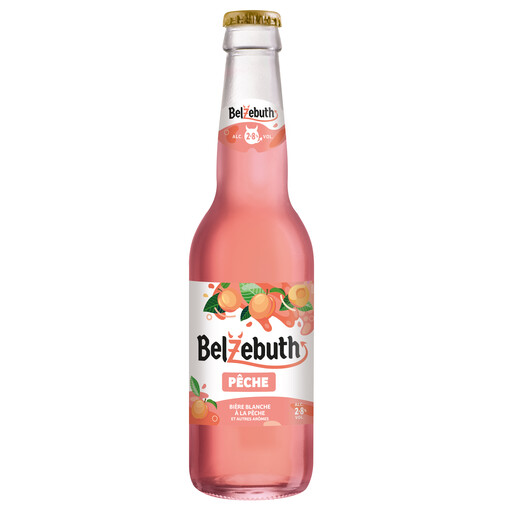
Why we chose it: Ideal for anyone looking for a highly refreshing, low-alcohol drink for a casual aperitif. Its light and fruity profile is an excellent alternative to classic beers, which are often more bitter.
It sidesteps the double trap of sugar and alcohol. At just 2.8% ABV, it's a true light beer where the peach complements the blonde ale base without ever overpowering it.
Its very low alcohol content makes it the perfect option for a long happy hour, without sacrificing the pleasure of a flavourful, fruity drink.
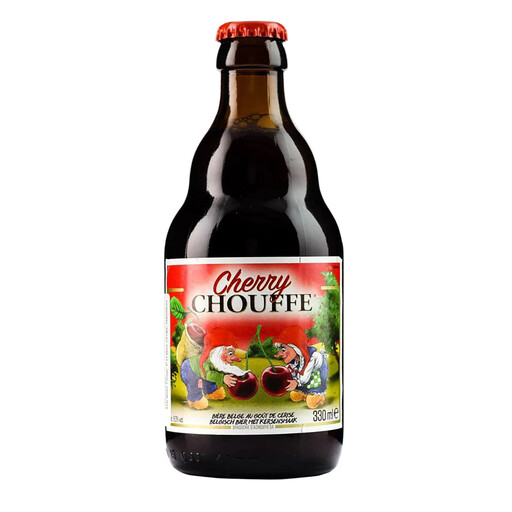
Why we chose it: For those who love the complexity of a good, strong Belgian beer and are looking for a true tasting experience. It perfectly combines character, strength, and intense fruit flavour.
It doesn't fall into the trap of being overly simple. By using real cherry juice and the unique character of the Chouffe yeast, the result is a complex cherry beer with notes of almond—a far cry from a simple sugary drink.
A strong beer (8% ABV) that offers real aromatic depth. Its trump card: the perfect balance between the sweetness of the fruit and the power of the beer.
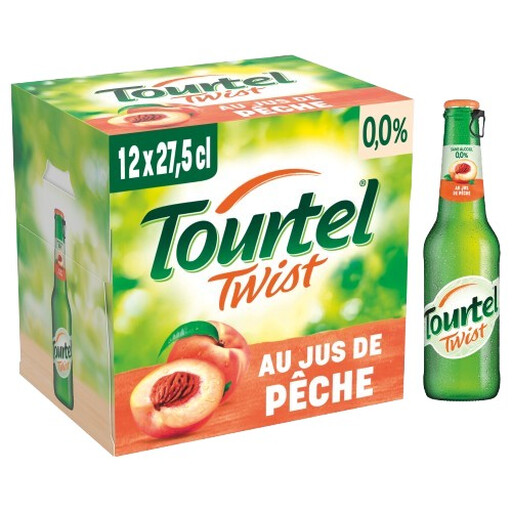
Why we chose it: The perfect option for anyone who wants to enjoy a festive, fruity drink without a drop of alcohol. It's the ultimate inclusive choice for raising a glass together.
It perfectly meets the demand for a flavourful flavoured non-alcoholic beer. At 0.0% ABV, the message is clear. It's an excellent alternative to sodas, made with a real non-alcoholic beer base and peach juice.
The pleasure of a fruity and refreshing drink, with the guarantee of 0.0% alcohol. It allows everyone to toast without moderation.
Discover our full selection of fruit beers, all chosen for their quality and authentic taste in line with our criteria.
It's simple: a fruit beer is a beer (Blonde, Witbier, Ale, etc.) to which fruit juice or flavourings are added during or after the brewing process. A Radler, on the other hand, is a cocktail: a mix of beer and lemonade (or fruit soda), often in equal parts. Radlers are therefore generally lighter in alcohol and sweeter, closer to a soft drink.
For most, serve them well-chilled, between 4 and 7°C, to enjoy their refreshing qualities. A clean glass, rinsed with cold water, is a plus. For stronger, more complex beers like a Belgian cherry beer, a slightly warmer temperature (8-10°C) will help release their full range of aromas.
The basic rules are the same as for any other beer: store it upright, in a cool, dark place to protect the flavours. Just be a little more vigilant: fruit aromas, especially natural ones, are sensitive to oxygen and light. Once opened, don't let it sit around; drink it quickly to enjoy its full freshness.
Alcohol abuse is dangerous for your health. Please consume in moderation. The consumption of alcoholic beverages during pregnancy, even in small quantities, can have serious consequences for the child's health.