
Livraison le jour même ou le lendemain

Qualité garantie

Débloquez vos offres de bienvenue: Livraison GRATUITE | Jusqu'à -80 % | 30 jours d'essai gratuits à JoyPlus
Téléchargez l'application
Flavoured fruit beers are winning people over with their notes of cherry, raspberry, citrus and even flowers. But a colourful label doesn’t tell you everything about what you’ll find in the glass. Between very sweet recipes, beers that are simply flavoured, and those with a higher alcohol content than they might appear, a few checks are in order before you head to the checkout.
This guide helps you tell the difference between a fruit beer, a flavoured wheat beer and a fruity Belgian beer, using concrete criteria: ingredients, alcohol content, format and when to enjoy it.
The mention ‘cherry’, ‘raspberry’ or ‘lemon’ could refer to juice, concentrate, natural flavouring or a blend of several ingredients. The taste experience can be very different, particularly in terms of acidity and sweetness. A cherry beer made using a lambic fermentation, like some Belgian specialities, will often be more tart than a heavily sweetened flavoured drink.
So take a look at the ingredients list. The MORT SUBITE Kriek Beer 4.5% ABV 33 cl, for example, states 19.8% cherry juice from concentrate and 1.2% whole cherries. That’s far more informative than just the picture on the label.
A light beer has a reduced alcohol content, but it’s still an alcoholic drink. A beer at 2.8% ABV is less alcoholic than one at 7.5% or 8.5% ABV, but it’s not alcohol-free. Always check the stated ABV, the bottle volume and the number of containers in the pack.
In the UK, the sale of alcohol is restricted to people aged 18 and over. Alcohol is not recommended during pregnancy and should be consumed in moderation. If you’re looking for a drink with less than 0.5% ABV, check the label carefully: not all fruity drinks meet the same definition.
Fruit beers often contain gluten-containing cereals, particularly barley malt and wheat. Some recipes also use sulphites, sweeteners, aspartame or glucose syrups. These ingredients can change the flavour profile and certainly matter if you have particular dietary preferences or restrictions.
Start by choosing the family of flavours that best suits your taste:
A flavoured wheat beer can seem softer thanks to the wheat and its often cloudy texture. Conversely, a red beer with red fruits and hibiscus may be more expressive without necessarily being sweeter.
Always compare the ABV and format before choosing a pack. A 33 cl bottle at 6% ABV isn’t intended for the same occasion as a 25 cl bottle at 2.8% ABV or a large 75 cl bottle at 7.5% ABV.
Small individual formats are handy for trying several recipes without opening a large bottle. A pack of flavoured beers works well for an aperitif with friends, as long as you check the total volume and storage conditions. An opened bottle should generally be drunk quickly to keep its fizz and aromas.
The recommended serving temperature is usually on the product page or packaging. Most fruit beers are best served between 4 and 8 °C. A fruity abbey beer, however, may benefit from being poured gently into a glass to preserve its head and release its aromas better.
Unfiltered wheat beers may contain a natural sediment of yeast or pulp. In this case, follow the manufacturer’s recommendations and handle the bottle gently.
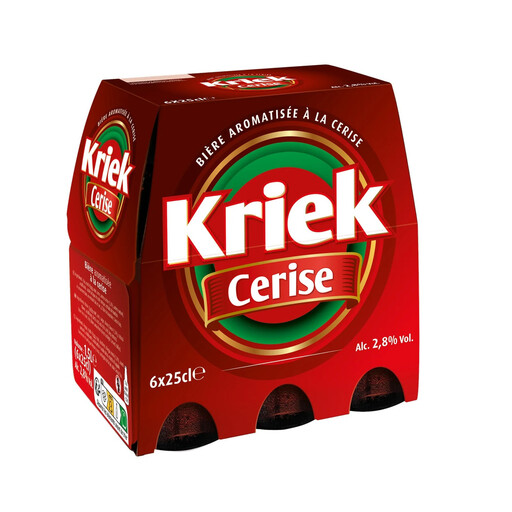
Why this suits them: The pack lets you share or discover a cherry beer without having to open a large-format bottle.
The 2.8% ABV is clearly displayed. The ingredients also list cherry juice, sugar and sweeteners.
A pack of 6 bottles of 25 cl, a fruity profile, and declared presence of gluten and aspartame.
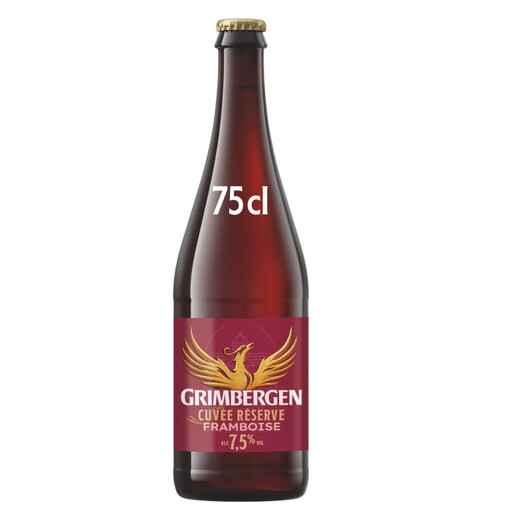
Why this suits them: Its 75 cl format and profile blending raspberry, spices and hoppy notes work equally well for sharing between two or with a meal.
The 7.5% ABV is visible before purchase, so you won’t underestimate the strength of this fruit beer.
A 75 cl bottle, declared raspberry and spice aromas, with a recommended serving temperature of 6 to 8 °C.
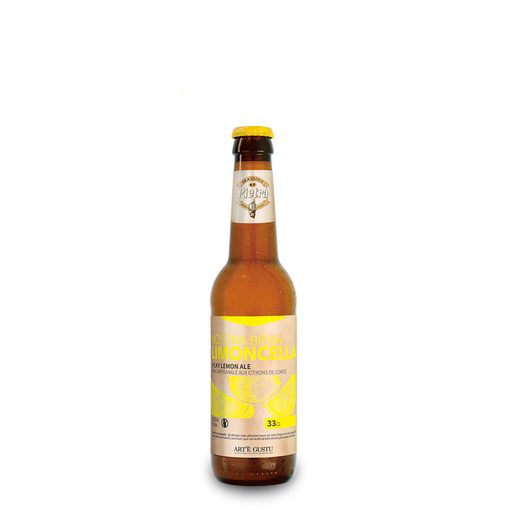
Why this suits them: This wheat beer flavoured with Corsican lemon brings a lovely citrus twist to an aperitif and pairs nicely with spicy dishes.
The 6% ABV, as well as the presence of wheat, barley and sulphites, are stated. Unfiltered, the beer may contain sediment.
A Corsican origin, a 33 cl format, lemon notes and a clear instruction: gently swirl before serving.
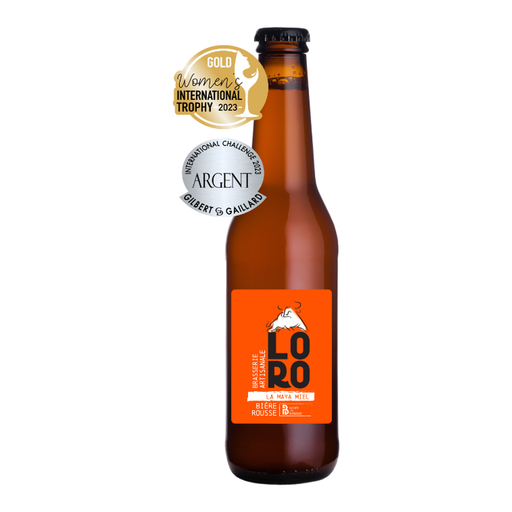
Why this suits them: Its amber-red honey profile targets those who enjoy malty sweetness rather than a fruit-forward beer.
The recipe states the presence of honey and a 5.5% ABV, so you won’t confuse sweetness on the palate with low alcohol content.
A beer brewed in Burgundy, with clearly listed ingredients and a malty profile lifted by a touch of honey.
We’ve put together a comprehensive selection, updated in real time, of products that meet these selection criteria and the requirements of European safety regulations.
Go for a recipe with red fruits, cherry, peach or violet. However, do check the sugar content and whether sweeteners are present. A Belgian fruit beer of the lambic type can retain a marked acidity despite its very fruity profile.
Citrus beers are often best enjoyed well chilled, typically between 4 and 6 °C, depending on the instructions on the label. A temperature that’s too low, however, risks muting the aromas. Serve it gradually to better perceive the notes of lemon, yuzu or ginger.
Unopened bottles should be stored in a cool, dry place away from light, until the date shown on the packaging. Once a bottle is opened, drink it quickly to preserve its fizz. If you’re putting together a varied selection, compare the total volume, ABV and storage conditions before ordering.