For a conference lunch where each dish must contain fewer than 500 kcal, choose a portion with a stated weight and nutritional values so you can calculate the energy in the amount actually served. Then check that the preparation method suits the equipment and time available. Picard lists four 300 g individual trays which, by calculation, contain between 360 and 477 kcal each. You should still check the allergens, storage instructions and any accompaniments.
Who is this selection for?
Organisers working to a per-person calorie limit
You need to be able to calculate the kcal in the full portion before ordering. For several individual trays, Picard lists a weight of 300 g and the energy per 100 g. Use both figures to work out the total for each recipe.
Teams serving lunch at speed
You have a short break and need to check that the preparation instructions fit the number and power of the appliances available. Picard gives a microwave cooking time of 5 minutes for some of the trays covered here.
Organisers planning a varied menu
You want to identify vegetarian options, check for allergens and give guests the information they need. The French Directorate-General for Competition Policy, Consumer Affairs and Fraud Control (DGCCRF) states that allergens must be highlighted in the ingredients list of prepacked foods. Keep the information for the products you actually serve.
What should you check for lunch?
First, decide whether the 500 kcal limit applies to the dish alone or to the whole lunch. Then check the preparation method and the information you need to provide when serving.
| Criterion |
What to check |
Who is this for? |
| Energy per portion |
Multiply the kcal per 100 g by the weight served in grams, then divide by 100. Include any accompaniments too if the limit applies to the whole meal. |
I need to be able to justify the total for the dish actually served, without confusing a figure per 100 g with the total for the tray. Around 42% of consumers would prioritise this calculation. |
| Serving speed |
Compare the stated preparation time, power and method with the capacity of the appliances available. |
When the break is short, I look for portions that can be heated within the time available for service. Around 33% of consumers would put this first. |
| Menus and allergens |
Check the ingredients and allergens for the product you buy; keep recipes clearly identified when serving and check what information is required for meat dishes. |
If several guests have dietary restrictions, I want to avoid any confusion between the dishes on offer. Managing menus and the information to provide would be a priority for around 25% of consumers. |
Mistakes to avoid
-
Relying on the kcal per 100 g alone
This figure may not match the amount eaten. Based on the figures provided by Picard, a 300 g tray at 120 kcal per 100 g contains 360 kcal in total.
Work out the total for each product using its portion weight, then check the label on the product you buy in case the weight or recipe has changed.
-
Forgetting what you serve alongside the dish
Picard’s hake fillet, listed at 159 kcal per 100 g, contains 477 kcal in its 300 g tray. An accompaniment will change the total if the limit applies to the whole lunch.
Make clear in your brief whether the limit applies to the dish alone or everything served, then calculate the relevant total.
-
Assuming vegetarian means suitable for every dietary restriction
A vegetarian recipe may contain ingredients that some guests need to avoid. The dish name is no substitute for checking its ingredients and allergens.
Check the labels on the products you buy and keep each recipe clearly identified when serving.
-
Overlooking information about the origin of meat
Where your catering service is subject to the relevant information requirements, knowing the ingredients in a meat dish is not enough to prepare the details you need to give guests.
Check which requirements apply to your service and ask your supplier for the necessary origin information before serving.
Frozen meal retailers to explore
A frozen meal range can help you find different recipes and formats, but you’ll still need to check that each portion you choose comes in under 500 kcal.
Picard
Picard offers 300 g individual frozen ready meals with energy information and preparation instructions.
- The figures listed for four recipes work out at fewer than 500 kcal per full tray.
- Check every other recipe and its specific preparation instructions before adding it to your menu.
Carrefour
Carrefour’s range includes individual frozen ready meals, sharing dishes and plant-based options.
- These categories can help you find a format to suit your planned service.
- Check the nutritional values and weight of the product you choose to calculate the energy per portion.
E.Leclerc
The E.Leclerc range includes frozen ready meals, including 300 g products.
- The stated weight can help you find formats to consider for individual servings.
- A 300 g weight alone doesn’t guarantee that a portion contains fewer than 500 kcal: check its nutritional information.
Auchan
Auchan has a range dedicated to individual frozen ready meals.
- The range is a good place to look for individual portions.
- Compare the energy value and weight on the product details page or packaging for each meal you’re considering.
Lidl
Lidl’s range includes a category for frozen ready meals.
- This category is a useful starting point for finding recipes.
- Check the ingredients, weight and kcal for each product before planning your lunch portions.
ALDI
ALDI’s frozen food range includes ready meals.
- You can look for products here to suit the type of meal you have in mind.
- Calculate the total calories using the nutritional information and the amount you’ll actually serve.
Products available on Joybuy
These products include a 300 g fish portion and a pack of three chicken onigiri, each weighing 100 g. The onigiri may suit a service where you need to hand out individual portions, but don’t automatically treat them as a complete conference lunch. For each option, check the kcal in the amount served, the allergens and the preparation instructions.
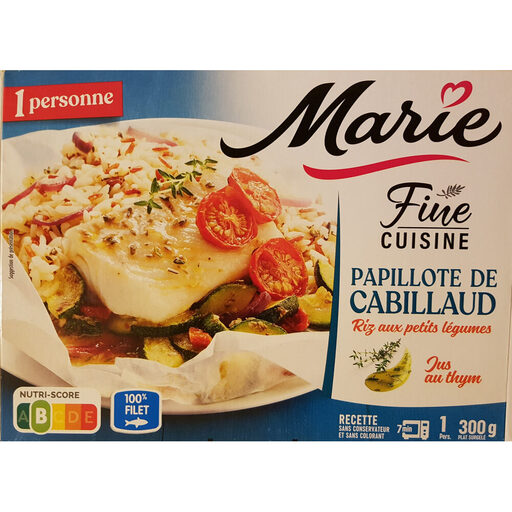 Image unavailable
Marie cod en papillote with rice and baby vegetables, 300 g
This 300 g format could work as an individual fish portion. Check the energy in the whole portion before choosing it for a menu capped at 500 kcal.
The product name lists cod, rice and baby vegetables. Check the packaging for allergens and preparation instructions that suit your equipment.
View on Joybuy
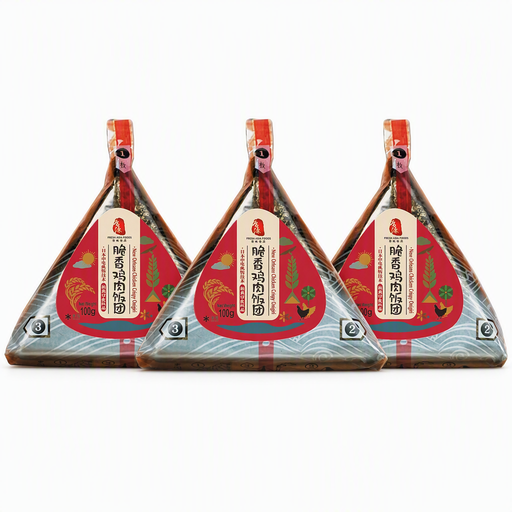 Image unavailable
FRESHASIA New Orleans crispy chicken onigiri, 3 × 100 g
The three separate portions may be handy to hand out individually, but don’t assume that one onigiri on its own makes a complete conference lunch.
The product name lists chicken and three 100 g pieces. Check the kcal for the number of pieces you plan to serve, along with the allergens and preparation instructions on the packaging.
View on Joybuy
Frequently asked questions
How do you calculate the kcal in a whole tray?
Multiply the kcal per 100 g by the portion weight in grams, then divide by 100. For example, Picard lists its hake fillet at 159 kcal per 100 g and 300 g per tray, which works out at 477 kcal for the whole tray. Recalculate using the packaging for the product you buy.
Is a 300 g tray enough to plan a quick service?
No. An individual format makes it easier to count portions, but serving speed also depends on the preparation instructions and how many appliances you have. Picard gives a microwave cooking time of 5 minutes for some trays. Check the instructions for each recipe and make sure they suit your equipment.
How should you tell guests about allergens?
Use the labelling for the product you actually serve and clearly identify each recipe to avoid confusion. The DGCCRF states that allergenic ingredients in prepacked foods must be highlighted in the ingredients list.
Can you leave the meals to defrost to speed up service?
Don’t change the storage or preparation instructions to save time. The French Ministry of Agriculture reminds food businesses that they must control food temperatures. Plan storage and reheating according to the instructions for the products you choose and the requirements that apply to your service.


