Guests keeping to a calorie limit
If you want to stay under 500 kcal for this meal, compare the energy content with the amount actually served. The figure per portion is easy to use when your plate matches the stated portion size.


To check that you’re staying under 500 kcal per person, start with how much each person will eat. A dish that lists energy per portion makes the calculation straightforward, while a wok or sharing platter means you’ll need to divide up the quantities. Remember to count sauces, fats and sides too, and check each product’s allergens and preparation instructions.
If you want to stay under 500 kcal for this meal, compare the energy content with the amount actually served. The figure per portion is easy to use when your plate matches the stated portion size.
A wok, family-size bag or sharing platter lets you divide the food between several guests. However, the pack weight doesn’t tell you how much each person will eat.
If a guest needs to avoid certain ingredients, check the ingredients list and any ‘may contain’ statements for each product. Depending on the product, the recipes mentioned here may contain wheat, soya or sesame.
First decide what each person will be served — an individual dish, a portion from a wok or items to share — then work out the energy content of the whole meal.
| Criterion | What to check | Who is it for? |
|---|---|---|
| Energy content of your plate | Compare the kcal per portion with the weight served. If the packaging only gives the value per 100 g, calculate it for the amount you’ll eat and add the other dishes. | I want to be able to check my plate before serving myself, even if the meal includes several dishes. Around 42% of consumers would prioritise this individual calorie guide. |
| Sharing format | Check the total weight and number of portions or pieces, and distinguish between a complete dish and a base that needs other ingredients. | When entertaining several people, I’d rather divide up the food than give everyone a whole pack. Around 33% of consumers would prioritise this flexible way of serving. |
| Allergens and preparation | Read the ingredients and any ‘may contain’ statements for the product you’re buying, along with its storage and cooking instructions. | If a guest has dietary restrictions, I need to check the ingredients before choosing and follow the preparation instructions. Around 25% of consumers would prioritise these checks. |
A value per 100 g doesn’t necessarily reflect the amount served. As a guide, Picard lists 324 kcal for a 300 g portion of its organic Asian-style vegetable and noodle wok, excluding any extras you add.
Weigh your portion and calculate its energy content; add sauces, fats and sides separately.
The 24 pieces and 600 g in Auchan’s Asian assortment describe its format, not the energy consumed by each guest.
Decide how many pieces each person will have, then use the pack’s nutrition information to calculate the energy in that portion.
Ingredients vary from one dish to another, even among products intended for the same meal. The Ministry of the Economy points out that allergens must be listed and highlighted on food labels.
Ask your guests about any dietary restrictions, then check the ingredients and any ‘may contain’ statements on the product you buy.
A Picard product listing may say that availability depends on the store; some offers shown by Lidl are tied to a specific shelf date.
Check the product at your chosen store or collection service before planning the meal portions.
Product listings for Asian frozen food that are useful for comparing portions, ingredients and preparation.
Family-size frozen options to consider when serving a meal to share.
Its frozen food aisle includes individual dishes and Asian options to share.
Noodles can round out the menu, as long as you check their category and storage instructions.
The range described by ALDI includes several types of Asian-inspired dishes.
Vitasia products may feature in Lidl’s offers on frozen ready meals.
These Joybuy products are Asian-inspired dishes or ingredients to serve on their own or share. To stay under 500 kcal per person, check the amount served and the energy content of every item in the meal.
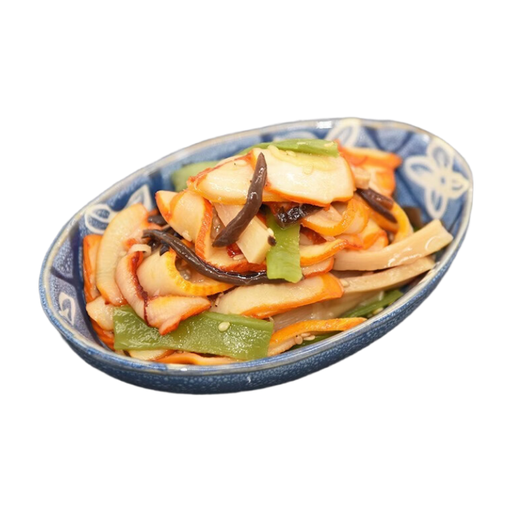 Image unavailable
The 200 g pack can be shared between several people. Before serving, check the energy content of each portion, the allergens and the defrosting and cooking instructions.
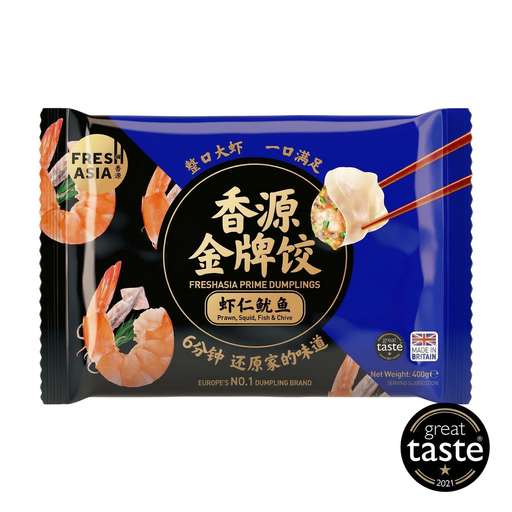 Image unavailable
These 400 g dumplings are ideal for a meal where you decide the portion sizes. Weigh the amount planned for each guest and check its energy content, allergens and the cooking instructions on the pack.
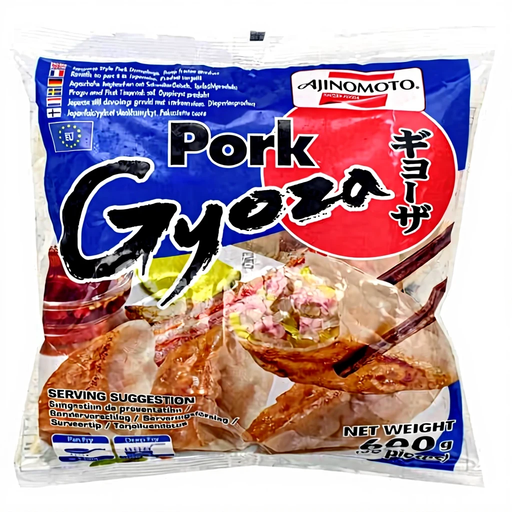 Image unavailable
The 30-piece, 600 g pack lets you plan how many gyoza each guest will have. To keep track of kcal, use the weight actually served rather than the number of pieces alone; check the allergens and cooking instructions too.
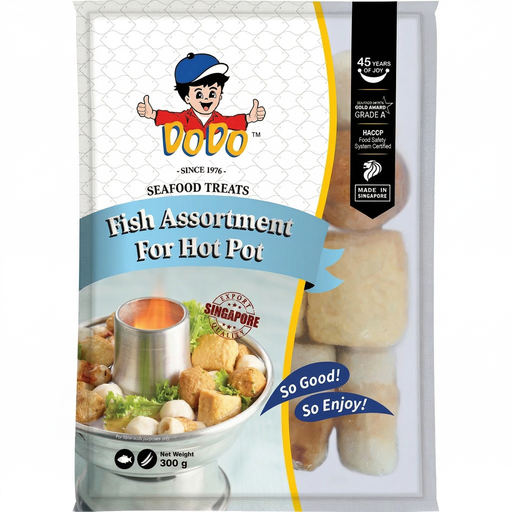 Image unavailable
This 300 g selection is intended for an Asian hot pot, not as a complete meal on its own. Remember to count the broth and other ingredients on each plate, then check the allergens and cooking instructions.
Calculate the energy content of the amount you’ll actually eat, then add the energy from sauces, fats and sides. If the packaging only gives kcal per 100 g, multiply that figure by the portion weight in grams and divide by 100.
No. The Nutri-Score doesn’t tell you the energy content of the portion you’ll serve. Check the nutrition information and the weight of that portion to see whether you’re within your limit. As the DGCCRF points out, Nutri-Score labelling is voluntary.
Follow the instructions for each product rather than using one cooking time for everything. Picard, for example, recommends cooking its Asian vegetables for wok cooking for 15 minutes. Check the storage and defrosting instructions on each pack too.
Yes, as long as the energy content of each person’s portion, combined with the rest of the meal, stays under the limit. The number of pieces or the total weight isn’t enough on its own: check the nutrition information for the assortment you choose and decide how much to serve.