
Livraison le jour même ou le lendemain

Qualité garantie

Débloquez vos offres de bienvenue: Livraison GRATUITE | Jusqu'à -80 % | 30 jours d'essai gratuits à JoyPlus
Téléchargez l'application
Navigating the jungle of food storage containers can feel like a daunting task. Between marketing promises and a multitude of materials, it's easy to fill your cupboards with unsuitable products. As a product expert, my mission is to help you see things more clearly. Let's forget the advertising jargon and focus on what matters: what will truly be a game-changer in your daily kitchen routine.
To avoid disappointment and unnecessarily cluttered cupboards, let's review the most common mistakes:
To avoid being misled again, just keep a few key technical criteria in mind. They are your guarantee of a smart purchase, for a product that will last and truly serve you well.
The choice of material is crucial. It dictates the container's use, lifespan, and ease of maintenance.
A simple snap-on lid is no guarantee of a leak-proof seal. For infallible protection against leaks and oxidation, the gold standard is a system with four locking clips and a removable silicone seal. This seal ensures a truly airtight closure and, the killer feature, it can be removed for impeccable cleaning. No more hidden mould!
Consider your primary use. Do you need a stackable food storage container set to optimise space in your cupboards? A tall cake carrier to transport your creations without damaging them? Or specific containers to organise your pantry (pasta, cereal, sugar)? Modularity and dedicated formats are the key to optimised and harmonious kitchen storage.
Rather than searching for a single model that does it all, it's more effective to choose based on your profile. Here are a few suggestions to guide you.

Why we chose it: Perfect for *meal prep* enthusiasts. The borosilicate glass goes from the fridge to the microwave without a problem, making it ideal for reheating your lunch at the office. Say goodbye to containers stained by curry or smelling of fish.
Glass is impervious to stains and odours (goodbye, pitfall #2). The clip-on lids and their seals ensure leak-proof transport (goodbye, pitfall #1).
The 10-piece set (5 large, 5 small) offers perfect modularity for main dishes, sides, and snacks.
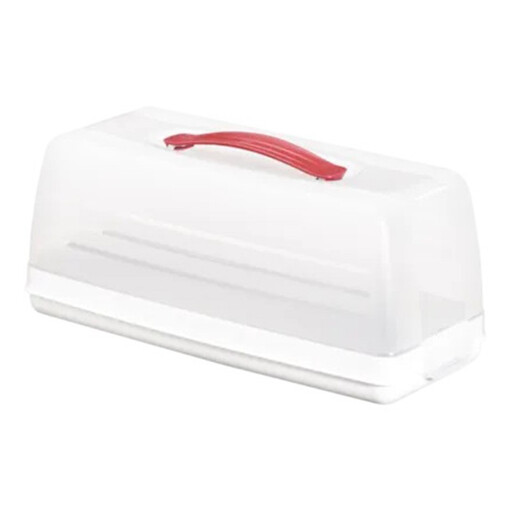
Why we chose it: Essential for transporting cakes, tarts, and other creations without disaster. This model is designed to protect your most fragile pastries on the way to a picnic, party, or dinner.
It meets a specific need that a standard container cannot (the infamous pitfall #3). Its clips and sturdy handle secure the transport and prevent disasters.
Its base doubles as a serving tray, and its transparent lid makes your mouth water without having to open it. Clever.
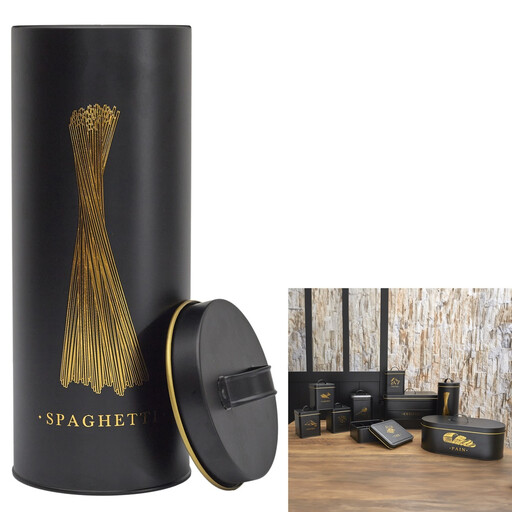
Why we chose it: For those who love a pantry that's as beautiful as it is organised. The opaque metal is ideal for dry goods (pasta, sugar, cereal) because it protects them from light, an often-underestimated enemy.
More effective than a generic container for dry goods, this specialised tin is also made from durable metal that won't degrade (pitfall #2 avoided).
Its tall, slim design is made for spaghetti, which no longer needs to be broken in half. Its chic design makes it a true decorative piece on a kitchen shelf.
Explore our full selection of products that meet our strict criteria and current standards.
Stainless steel or glass for my lunch box: which should I choose? For your lunch box, it all comes down to your priorities. Stainless steel is the champion for on-the-go use: lightweight and nearly indestructible, it's perfect for daily transport. Glass, on the other hand, scores points with its microwave compatibility, which is essential for reheating your meal. Stainless steel is banned from the microwave.
How can I be sure a plastic is food-safe? Look for the "BPA-free" label and the international food-safe symbol (a wine glass and fork). For extra peace of mind, choose plastics known for their stability, such as polypropylene (identified by the number 5 and the letters PP) or Tritan.
Can I freeze anything in any container? No, compatibility is essential. Most borosilicate glass, stainless steel, and high-quality plastic (PP) containers are freezer-safe. A crucial point for liquids in a glass container: never fill it to the brim before freezing. The liquid expands as it freezes and could cause the glass to shatter. When in doubt, it's always best to check the manufacturer's instructions.