
Livraison le jour même ou le lendemain

Qualité garantie

Débloquez vos offres de bienvenue: Livraison GRATUITE | Jusqu'à -80 % | 30 jours d'essai gratuits à JoyPlus
Téléchargez l'application
Whether you're on a weekend van trip, spending a day at the beach, or a professional on the road, keeping your food and drinks cool is non-negotiable. The electric cooler emerges as the ideal solution. But be warned: the market is flooded with models making tempting promises that often lead to disappointment. As the editorial team's product expert, my mission is to guide you through the jungle of options to make an informed choice and sidestep the most common marketing traps.
Before pulling out your credit card, it's crucial to know the pitfalls that can turn a promising purchase into a real headache.
To avoid nasty surprises, here are the technical specifications that truly matter.
This is the crucial point, as it determines the real-world performance of your device.
Versatility is king. A good car fridge must be able to adapt to any situation.
Think practical. The capacity should match your needs, and the device should be easy to handle.
To illustrate our points, here are a few models perfectly suited for specific user profiles.
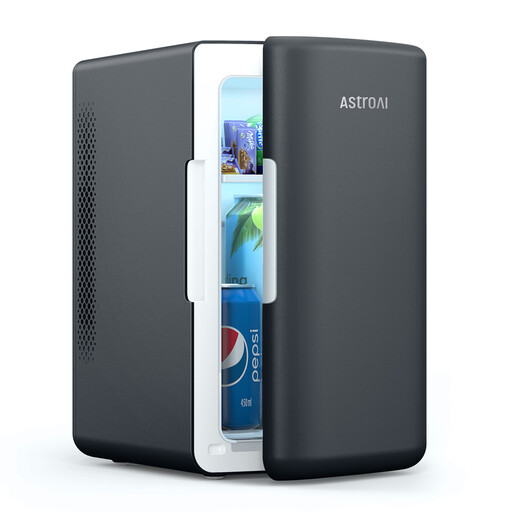
Why we love it: Perfect for keeping a few drinks and a sandwich cool during a commute, or for storing cosmetics in a bedroom. Its compact size and feather-light weight make it ultra-practical for occasional use.
This model plays it straight: it's a thermoelectric cooler, not a freezer. It doesn't oversell its performance and perfectly fulfils its mission: keeping things cool, with no false promises.
Its dual power (AC/DC) and warming function make it a highly versatile Swiss Army knife at a budget-friendly price.

Why we love it: Its 45 litres provide generous volume for a family's weekend supplies. Its compressor technology ensures a stable and safe temperature, even during a heatwave. A must-have for a reliable camping fridge.
This is a true portable fridge/freezer that goes down to -20 °C. It includes an ECO mode and smart battery protection, eliminating the risk of a dead battery in the morning.
Control via the Bluetooth app and its integrated wheels provide modern convenience and welcome mobility at the campsite.

Why we love it: For long trips or professional use (truckers, tradespeople, van-lifers), its dual-zone feature is a game-changer. It allows you to freeze on one side and refrigerate on the other. Absolute flexibility.
It checks all the boxes for the most demanding users: freezing performance, safety with its 3-level battery protection, and a generous capacity that's truly optimised for storage.
Independent control of the two zones is its ultimate strength. The reversible door, heavy-duty wheels, and integrated cutting board are details that reveal a design built for intensive use in the field.
Explore our full selection of coolers that meet our performance and reliability criteria.
Absolutely. It's a very real risk if the model doesn't include protection. Modern compression coolers almost all integrate a multi-level battery protection system. It constantly monitors the voltage and cuts power to the cooler long before the battery is too weak to start the engine. This is a non-negotiable safety feature to check before any purchase.
In the long run, the compression cooler is far more efficient. Like a kitchen fridge, it runs in cycles and only consumes energy when needed to maintain the temperature. In contrast, a thermoelectric cooler runs continuously, making it more power-hungry, especially in hot weather. For a camping fridge or extended use, the compression model is therefore the clear choice for its energy efficiency.
Only with a compression cooler. It's the only technology capable of reaching sub-zero temperatures (generally down to -20?°C) for proper freezing. A thermoelectric model can only cool a few degrees below the ambient temperature and can in no way serve as a portable freezer. A quick look at the temperature range on the spec sheet is essential to avoid making a mistake.