
Livraison le jour même ou le lendemain

Qualité garantie

Débloquez vos offres de bienvenue: Livraison GRATUITE | Jusqu'à -80 % | 30 jours d'essai gratuits à JoyPlus
Téléchargez l'application
Choosing a new duvet? It seems simple enough. However, this purchase has a direct impact on the quality of our sleep. Faced with an overwhelming number of options, it's easy to fall for the usual pitfalls and end up with restless nights and a purchase you regret. As a product expert for Joybuy, my mission is to help you see clearly, cut through the marketing noise, and focus on what truly matters.
To start, let's review the three most common mistakes to avoid:
You don't need to be an expert to make the right choice. You just need to understand a few simple technical criteria that determine a duvet's comfort and intended use.
The fill weight, expressed in grams per square meter (g/m? or GSM), measures the weight of the filling and, consequently, the duvet's warmth level. It's the most objective criterion for getting it right.
The smart alternative? The 4-seasons duvet, which consists of two duvets (one lightweight and one all-season) that can be joined together for winter.
The choice of fill is a trade-off between your budget, maintenance preferences, and sensitivity to allergens.
A duvet that's too small lets in cold drafts, while a well-sized model envelops you in a cocoon of comfort. The golden rule: allow for an overhang of at least 20 to 40 cm on each side of the bed.
All that's left is to choose a duvet cover and a bedding set in the right size to complete the look.
To demonstrate how to apply these criteria in practice, here are a few models that meet specific needs while avoiding the pitfalls we've discussed.
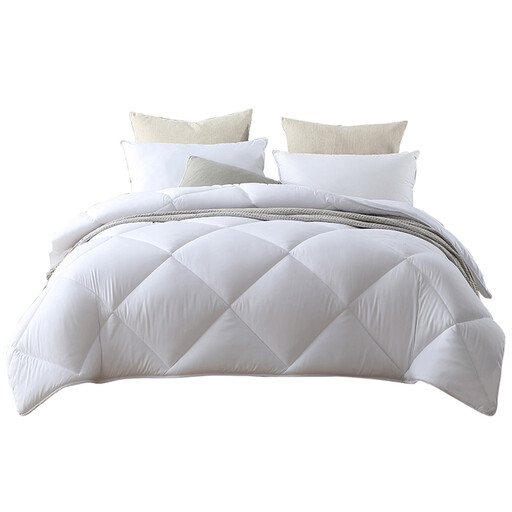
Why we recommend it: Perfect for a first home, a student dorm, or a guest room. Its synthetic fill and standard size make it practical and economical without sacrificing essential comfort.
With its moderate "all-season" warmth, it avoids the trap of the winter duvet, which is often excessive in a modern apartment. Its easy machine-wash care is a real everyday bonus.
Its hypoallergenic fill and machine-washable design ensure impeccable hygiene and great ease of use.
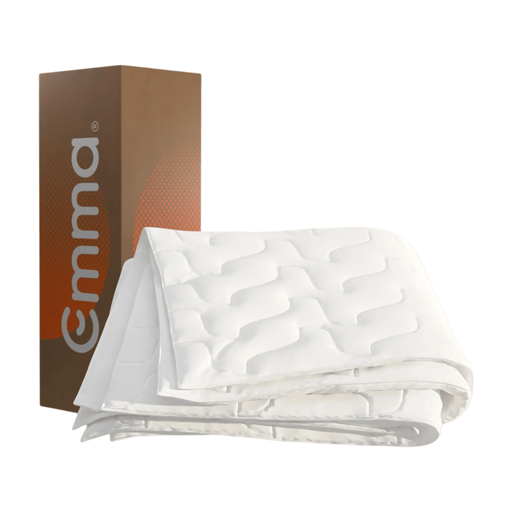
Why we recommend it: The perfect solution for those who want to end the headache of storing separate summer and winter duvets. One duvet for the whole year—that's the promise of this model.
This 4-seasons duvet is the perfect antidote to the one-size-fits-all warmth myth. It combines two duvets (one lightweight, one all-season) to be used separately or clipped together, offering three levels of warmth to adapt to every season.
Its 3-in-1 modularity adjusts to temperature changes and individual preferences. Fully machine washable.
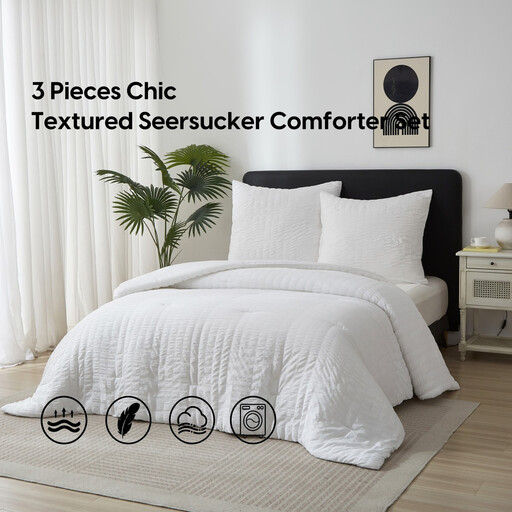
Why we recommend it: For those looking to refresh their bedroom's style in an instant. This coordinated set, which includes a comforter and pillow shams, is an all-in-one solution for the master bedroom or a spare bed.
This model tackles the problem of low-quality microfibers. Its "seersucker" puckered texture is not only stylish but also has the advantage of being wrinkle-free. The polyester microfiber was chosen for its durability and easy care.
A ready-to-use 3-in-1 set with a textured, elegant design. Easy maintenance and guaranteed durability.
Discover our full selection of products that meet our quality criteria and current safety standards.
For a 140x190?cm bed, the ideal duvet size is 220x240?cm. This dimension ensures a nice overhang on each side of the bed and keeps you well-covered all night, even if you're a restless sleeper.
The first rule: always check the manufacturer's care label. For most synthetic duvets, here are the steps to follow:
A duvet labelled as hypoallergenic uses materials (usually synthetic) that inhibit the growth of dust mites and other allergens. However, the term alone is not enough. For a real guarantee, rely on independent certifications. The STANDARD 100 by OEKO-TEX label is the gold standard in this area. It guarantees that every component of the product, from the thread to the fill, has been tested and certified free of harmful substances for your skin and health. Looking for this label on the packaging is the best way to ensure a healthier sleep environment.