Cyclists getting ready for a ride
If you eat before cycling, start with a familiar dish that you know you tolerate well. Sports Dietitians Australia recommends choosing familiar foods that are high in carbohydrates and low in fat before exercise.


Before a bike ride, a familiar pasta dish that you know you tolerate well can be a good choice for a carbohydrate-rich meal. The recipe and timing matter too. Wholewheat pasta may be a better fit if you’re looking for more fibre in meals well away from exercise, while protein-enriched pasta can change the nutritional make-up of a post-training meal—but it isn’t, on its own, a recovery strategy. Sports Dietitians Australia recommends tailoring your pre-exercise meal to your own tolerance, and a review published in Nutrients highlights that carbohydrate needs vary according to your training and goals.
If you eat before cycling, start with a familiar dish that you know you tolerate well. Sports Dietitians Australia recommends choosing familiar foods that are high in carbohydrates and low in fat before exercise.
If you’d like more protein in your pasta dish, compare protein-enriched pasta with your usual meal. Don’t assume that your choice of pasta alone will take care of recovery.
If fibre is a priority for meals well away from your rides, wholewheat pasta gives you a clear point of comparison. Close to exercise, consider your digestive comfort.
First, choose according to when you’ll eat and how well you tolerate the food. Then compare the nutritional information per 100 g of dry pasta: a single nutrient value doesn’t tell you how much is in your portion or the finished dish.
| What to consider | What to check | Who is it for? |
|---|---|---|
| Pre-ride meal | Compare carbohydrates and fat per 100 g dry pasta, and plan a recipe you already know. | When I eat before cycling, I prefer a familiar dish that won’t bother me during exercise. Around 36% of consumers rank this need as their top priority. |
| Protein in your dish | Compare protein and carbohydrates on the same basis, then check the ingredients in the variety you’ve chosen. | After training, I want to include more protein in my pasta dish without overlooking the rest of the meal. This is the top priority for around 29% of consumers. |
| Everyday fibre | Check the fibre content per 100 g dry pasta and see whether it’s made with wholemeal semolina. | For meals well away from my rides, I look for wholewheat pasta first, while keeping an eye on how well I tolerate it close to exercise. Around 21% of consumers prioritise this. |
| Preparation time | Check the cooking time for the specific shape and choose a recipe that fits the time you have available. | When I’m short on time, cooking time guides my choice ahead of other differences between pasta varieties. This is the main priority for around 14% of consumers. |
Its fibre content may be a factor if you’re prone to digestive discomfort before cycling.
Try the variety, portion and recipe during a regular training session first; save your first experiments for meals well away from exercise.
Carbohydrate content and ingredients vary between products. A higher protein content doesn’t prove that the pasta will benefit your sporting performance.
Compare carbohydrates, protein, ingredients and allergens per 100 g of dry pasta, taking the meal you’re preparing into account.
A meal before or after a training session doesn’t replace planning what you’ll consume during a prolonged effort. A review published in the Journal of Sports Sciences notes that carbohydrate intake during exercise depends on the demands of the event.
Plan your meal separately from what you intend to carry and eat while cycling.
Carrefour’s wholewheat pasta listing mentions wheat and possible traces of egg and soya; this doesn’t apply to all wholewheat pasta.
Check the ingredients and allergen information on the exact pack you’re buying, especially if you’re switching to a different shape or recipe.
Its classic, wholewheat and Protein+ varieties let you compare different nutritional profiles depending on the meal you have planned.
The Les Protéinées range is worth looking at if the protein content of your meal is your main consideration.
A wholewheat durum wheat pasta can be a useful point of comparison for everyday meals.
If you’re considering a Lustucru product, start with the shape and ingredients of the specific product rather than the brand name alone.
These two products suit different meals: wholewheat farfalle for a meal well away from a ride, and classic tagliatelle to consider before cycling if you know you tolerate this recipe.
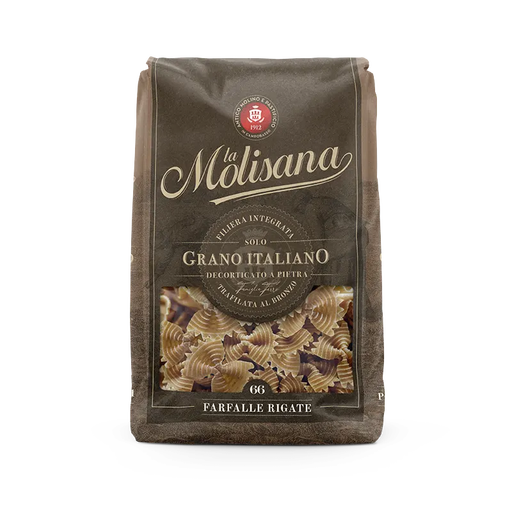 Image unavailable
Wholewheat farfalle to consider for an everyday meal well away from a ride. If fibre bothers you before exercise, try this variety during a regular training session first. Check the allergen information on the pack if you need to avoid certain ingredients.
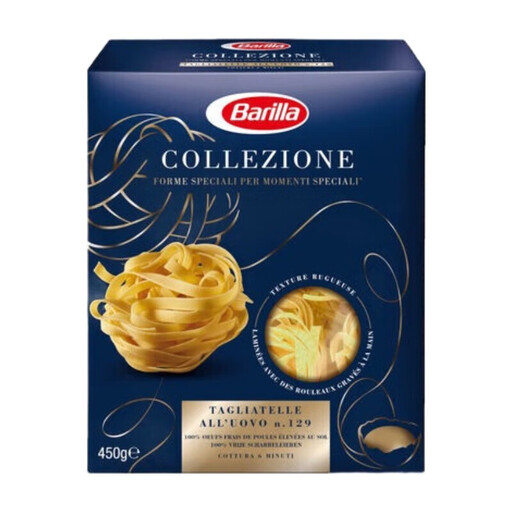 Image unavailable
Classic tagliatelle to consider for a pre-ride meal if you already know you tolerate this recipe. Try the portion and what you serve with it during training; if preparation time is a deciding factor, check the cooking time on the pack.
Start with a variety and recipe you know and tolerate well. Sports Dietitians Australia recommends familiar foods that are high in carbohydrates and low in fat before exercise. Try the portion and meal timing during training rather than on event day.
No. It may suit you if you prefer more fibre in your everyday meals, but it isn’t automatically a good choice just before cycling. To compare two products from the same brand, Barilla France lists 6.5 g of fibre per 100 g for its Spaghetti blé complet, compared with 3.0 g for its classic Spaghettini. How well you tolerate it remains an important factor close to exercise.
No. It changes the nutritional make-up of your dish, but doesn’t determine the whole meal that’s right for your training. Barilla France lists 20 g of protein per 100 g for its Penne Rigate Protein+; also compare the carbohydrates and ingredients in the product you’ve chosen.
Read the ingredients list and allergen information on the exact pack. In France, the Directorate-General for Competition Policy, Consumer Affairs and Fraud Control states that allergenic ingredients must be highlighted on food labels.