
Livraison le jour même ou le lendemain

Qualité garantie

Débloquez vos offres de bienvenue: Livraison GRATUITE | Jusqu'à -80 % | 30 jours d'essai gratuits à JoyPlus
Téléchargez l'application
DIY adhesive tape can come to the rescue in seconds, but not all rolls are interchangeable. Tape designed to protect a surface while painting won’t replace waterproof tape for sealing a leak. Likewise, a multi-purpose repair tape won’t necessarily provide a lasting bond.
The most common buying mistakes come down to three things:
To choose the right tape, consider what you’ll use it for, the surface, the tape’s dimensions and the conditions in which you’ll apply it.
Start by deciding exactly what you need it to do:
Adhesion problems often come down to a dusty, greasy, damp or crumbly surface. Before applying the tape, check that the surface is:
If you’re working on fresh paint, delicate wallpaper or varnished wood, test the tape on an inconspicuous area first. For masking tape, the adhesive strength should be suitable for the delicacy of the finish. Tape that’s too strong could lift paint or leave marks.
The tape’s width, length and thickness all affect the result. A narrow strip may be enough for a small touch-up, while a 100 mm-wide strip will cover a joint or leaking area more quickly.
It’s also worth checking:
When applying tape outdoors, don’t use it on a wet surface if the instructions say not to. Some waterproofing tapes also need protection from rain for a period after application.
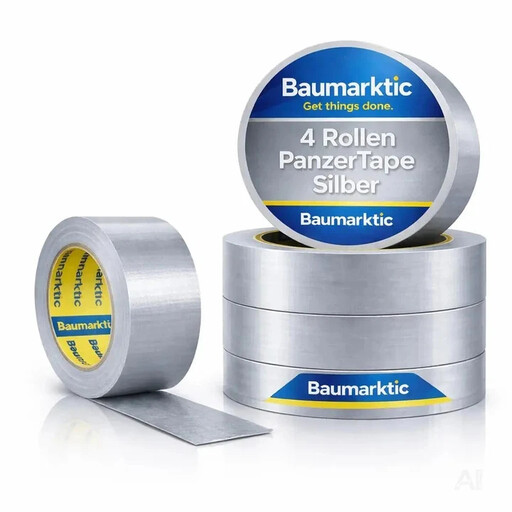
Why it’s a good match for this need : This pack is handy for small repairs, bundling items and everyday jobs around the home, garage or workshop.
The dimensions are clearly stated: 50 m per roll and 50 mm wide. Use this tape for general repairs, though, not for load-bearing joints or specialist waterproofing jobs.
Four rolls that can be torn by hand, according to the product listing, with a reinforced plastic and polyester backing.
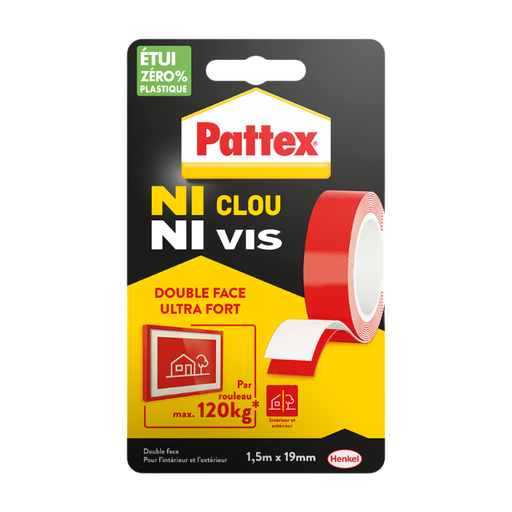
Why it’s a good match for this need : This tape is for anyone looking for a discreet way to attach accessories, frames or decorative items to surfaces suitable for this type of fixing.
The product listing says it can be used on glass, metal, wood, stone and some plastics. The stated load capacity won’t apply in every situation, so follow the instructions and use enough tape for the weight of the item.
A 1.5 m × 19 mm roll, with no drying time required according to the listing. Suitable for indoor and outdoor use, except for prolonged immersion.
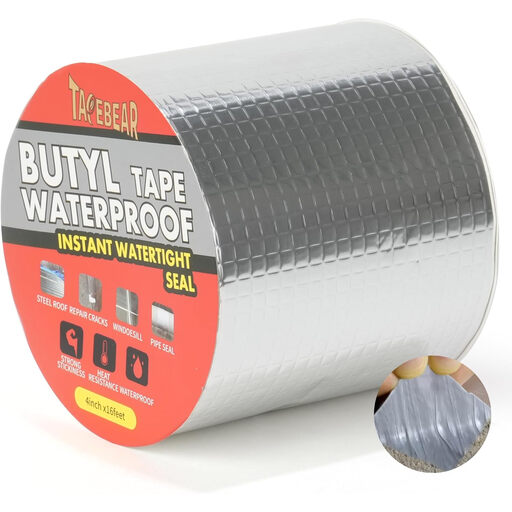
Why it’s a good match for this need : Its width makes it suitable for motorhome owners and jobs on roofs, windows, boats or certain pipes.
This is butyl tape designed for waterproofing, not ordinary fabric-backed tape. Make sure the surface is clean and dry, then press the tape down firmly without moving it.
100 mm wide and 5 m long, with an aluminium backing and butyl rubber composition according to the product listing.
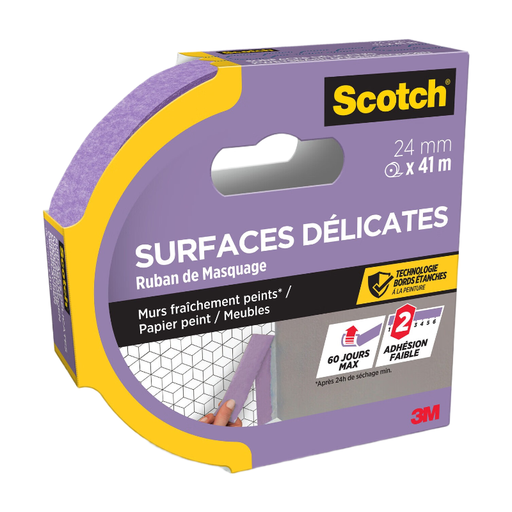
Why it’s a good match for this need : This purple tape is designed for delicate indoor surfaces, furniture, wooden floors and projects that need crisp paint lines.
Its stated low adhesion strength helps reduce the risk of damaging sensitive surfaces. Even so, follow the recommended removal time and test it first.
A 41 m × 24 mm roll, with residue-free removal for up to 60 days according to the product listing, and easy hand-tearing.
We’ve selected a complete, up-to-date range of products that meet these demanding criteria, as well as European safety standards.
Cut a strip slightly longer than the area you need to cover, then apply it gradually to prevent creases and bubbles. For outdoor repairs, press the edges down firmly. When using tape on a roof or gutter, make sure the strips overlap evenly.
Masking tape can usually be removed by pulling gently at a moderate angle once the paint is touch-dry. For double-sided tape, press firmly across the whole surface and never exceed the load specified in the instructions.
For a leak on a compatible surface, waterproof tape or butyl tape is more suitable than general-purpose repair tape. The area must be dry, clean and stable. If the leak is in a pressurised system or involves a structural component, it’s best to call in a professional.
It depends on the type of tape, the surface, the temperature and UV exposure. Some products claim clean removal after 14 or 60 days, but only under the conditions specified by the manufacturer. On a delicate surface, remove the tape as soon as the job is finished.
It can work for some decorative installations or for attaching light to moderately heavy accessories to a clean, suitable surface. However, it shouldn’t be treated as a like-for-like replacement for a mechanical fixing when supporting a heavy load, hanging an item or fixing something in an area subject to vibration.