
Livraison le jour même ou le lendemain

Qualité garantie

Débloquez vos offres de bienvenue: Livraison GRATUITE | Jusqu'à -80 % | 30 jours d'essai gratuits à JoyPlus
Téléchargez l'application
Who hasn't cursed at a piece of tape that peels off mid-project, a repair that gives out after two days, or worse, an infamous sticky mark on a freshly painted wall? These frustrations, often caused by choosing the wrong product, are entirely avoidable. The adhesive tape aisle is a jungle where packaging promises the world, but versatility and adhesion don't always deliver.
To help you see things more clearly, we've broken down the two most common pitfalls that lead to an unsuitable purchase and, inevitably, a disappointing result.
To navigate the jungle of options, it's crucial to master a few technical concepts. These are the details that make all the difference between a job well done and a total meltdown.
A tape's effectiveness depends on the partnership between its adhesive (the glue) and its backing (the tape itself).
Clearly identifying your need is the first step toward choosing the right product.
Rather than an endless catalogue, here is our targeted selection to help you find the perfect product for every situation.
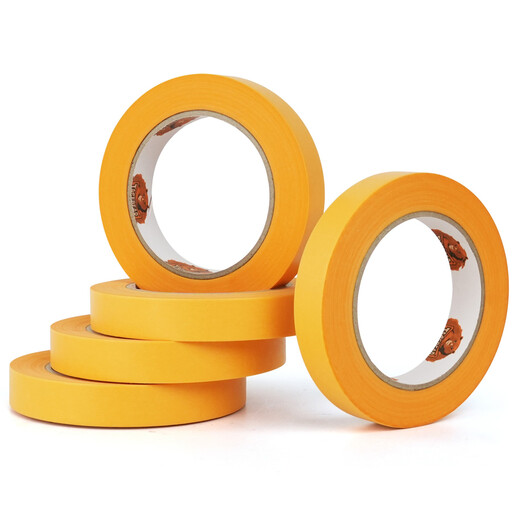
Why it's perfect for you: Essential for precision paint jobs (window frames, baseboards, decorative patterns) where perfectly sharp lines are the top priority.
Its low-tack adhesive is specially formulated for clean removal with no residue or damage, even on the most delicate surfaces. No more anxiety about tape pulling off the paint.
Its washi paper backing resists tearing and blocks paint bleed, delivering professional-grade finishes.
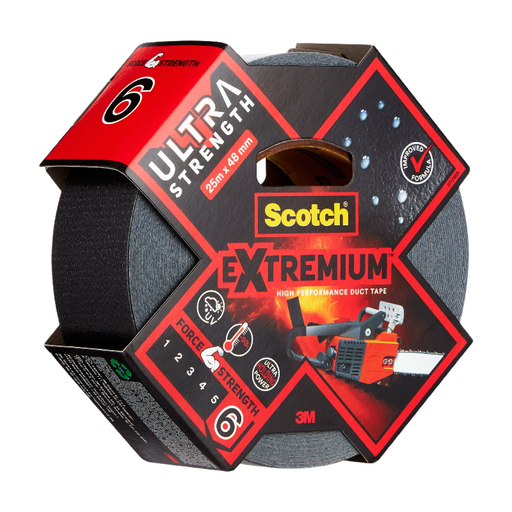
Why it's perfect for you: This is the heavy-hitter solution for tough repairs: patching a tarp, mending a garden hose, or reinforcing a heavy object, both indoors and out.
Unlike a standard adhesive, its ultra-thick, waterproof backing, combined with a super-strong glue, guarantees an unbeatable hold on difficult surfaces. It finally delivers on the promise of "strength" you can count on.
Its natural rubber-based adhesive offers an immediate grip on a multitude of surfaces (metal, plastic, smooth concrete...) and its water resistance makes it a powerful ally in emergency situations.
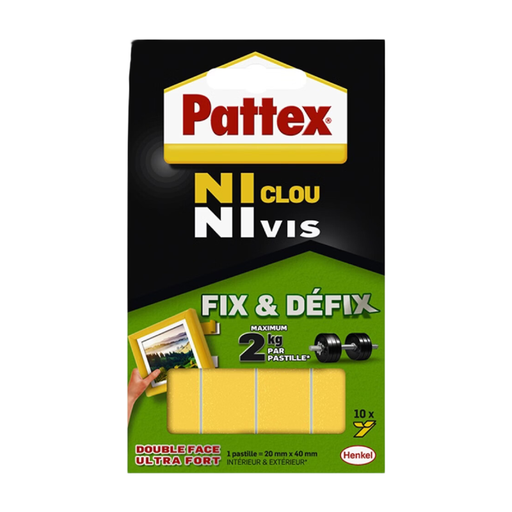
Why it's perfect for you: The dream solution for renters or decor enthusiasts who love to change things up. It lets you mount small items (frames, hooks, cable tidies) without drilling or long-term commitment.
This mounting system is specifically designed for trace-free removal, directly addressing the problem of sticky residue and damaged walls.
It's repositionable, allowing you to stick, unstick, and reuse. According to Henkel, each pad supports up to 2 kg after 24 hours, offering a reliable yet reversible hold.
We've curated a complete selection of products that meet our demanding selection criteria.
The simplest trick: gently heat the surface with a hair dryer to soften the glue. Then, pull the tape off slowly at a 45-degree angle. If any residue remains, a cloth soaked in vegetable oil (or a commercial adhesive remover) will do the trick. Always remember to test on an inconspicuous area first!
Duct tape is a champion of repair and fastening. It's highly durable and its adhesive is powerful, but it's not designed for clean removal. In contrast, painter's masking tape has a gentler adhesive, specially formulated to create sharp lines and be removed without leaving residue or damaging the paint.
Absolutely. Over time, the adhesive can lose its effectiveness, especially if exposed to heat, humidity, or UV rays. To preserve all its properties, it's best to store your rolls in a cool, dry place. Tape that is too old may not stick at all or, conversely, may leave a particularly stubborn residue.