
Livraison le jour même ou le lendemain

Qualité garantie

Débloquez vos offres de bienvenue: Livraison GRATUITE | Jusqu'à -80 % | 30 jours d'essai gratuits à JoyPlus
Téléchargez l'application
An assortment of crackers and savoury biscuits can quickly clutter your cupboard without really meeting your needs. Some products are too salty to pair with multiple recipes, while others lose their crunch soon after the packet is opened. Individual portions are convenient, but less practical when you’re serving several people at aperitif time.
Before buying savoury crackers, crunchy biscuits or Asian snacks, three pitfalls deserve your attention.
Claims like “light”, “with cereals” or “baked in the oven” aren’t enough to judge a product. Instead, check the nutrition table to compare energy content, fat, sugar and salt per 100 g. A biscuit marketed as “with seeds” may only contain a limited amount, whether it’s linseed or poppy.
Crackers often contain wheat or other gluten-containing cereals, but also soya, milk, mustard, sesame or sulphites depending on the recipe. If you have an allergy, read the ingredient list and the “may contain traces” statement carefully. The product name alone isn’t enough to assess its composition.
A 35 g packet works well for a solo snack, while a 200 g to 425 g format is better suited for sharing or regular use. Once opened, crunchy toast, bruschetta chips and aperitif croutons should be stored in an airtight container to stop them going soft.
Start by looking at the base of the product: wheat flour, rice, oats, seeds, oil and seasoning. Seed crackers often offer a more interesting texture, but check the proportions listed in the ingredients. Cheese or cheese-flavoured recipes may contain milk, as is the case with cheese crackers like savoury biscuits.
To put together a varied aperitif, alternate a plain recipe, a vegetable version and a spicy speciality. That way you can serve them with dips, soups or a cheese board.
Comparing per 100 g helps you make sense of packets of different sizes. As a guide, the references shown here have an energy value of between around 1,725 and 2,291 kJ per 100 g. Salt content also varies depending on the seasoning: Royal Orient Hot Rice Crackers lists 3 g of salt per 100 g, compared with 0.67 g for Krisprolls Golden.
This information is not medical advice. It simply helps you tailor your choice to how often you eat them and your personal preferences.
For breakfast, crispbreads and crunchy breads work just as well with sweet toppings as with savoury accompaniments. For a sharing aperitif, go for packets of 150 g to 250 g, or even larger. Individual portions are especially handy at the office, on the go, or when you need to keep a closer eye on portion sizes.
If the product needs to stay crunchy for several days after opening, choose resealable packaging or transfer the contents to an airtight container. Also remember to check the best-before date, particularly when buying in bulk.

Why this suits this profile: At 300 g, this packet is a versatile staple for breakfast, a snack or a simple aperitif, served with butter, jam or pâté.
Its composition, stated as 96% wheat flour, is easy to understand. A portion size of around 8.8 g is also given to help you judge quantities.
A light, crunchy texture, a 300 g format, plus 410 kcal and 1.13 g of salt per 100 g according to the product sheet.
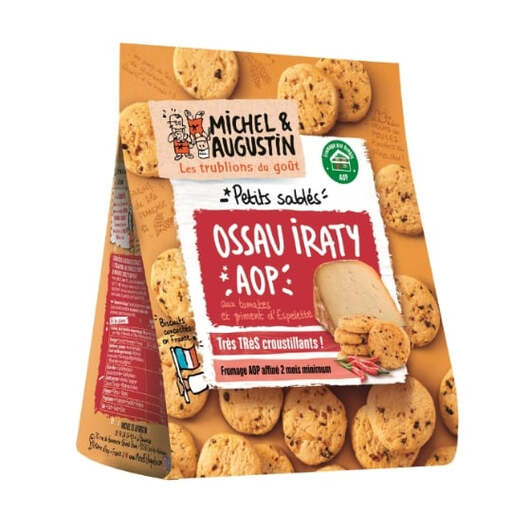
Why this suits this profile: This 100 g format is aimed at aperitifs where you want a more refined recipe, with AOP Ossau-Iraty cheese, tomato and Espelette pepper.
The ingredient list details the main proportions, including 29.6% butter and 10% AOP cheese. The indulgent promise is therefore backed by a clearly stated composition.
Made in France according to the product sheet, with free-range eggs, butter and 1.5 g of salt per 100 g.
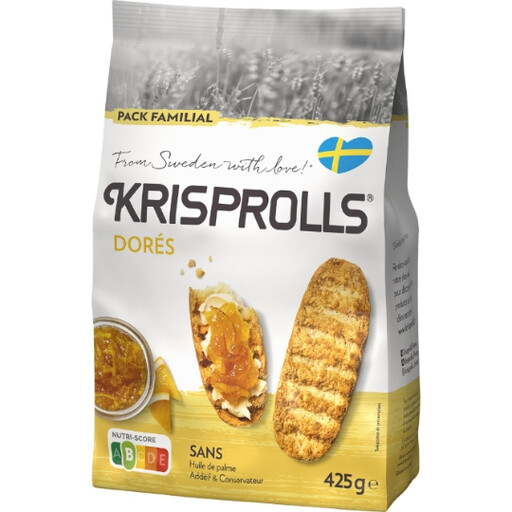
Why this suits this profile: This large packet is ideal for households that regularly enjoy crunchy toast for breakfast or as an accompaniment.
At 425 g, it cuts down on frequent repurchasing. The product sheet also specifies storage conditions after opening.
90% wheat flour, 3.1 g of fibre and 0.67 g of salt per 100 g according to the available information.
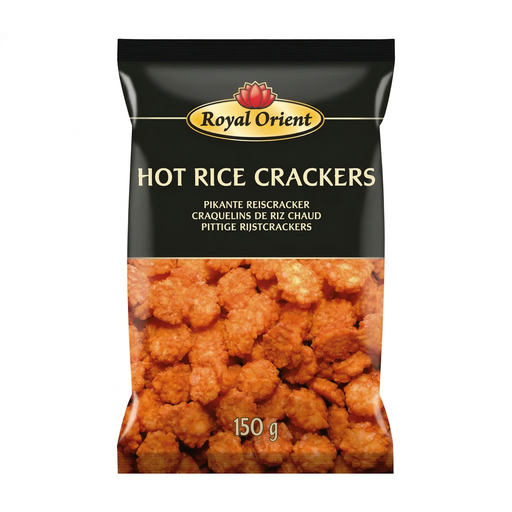
Why this suits this profile: These rice crackers combine soy sauce with a spicy seasoning. A simple way to switch things up from classic aperitif biscuits when entertaining friends.
The presence of soya and wheat is clearly flagged. With 3 g of salt per 100 g, however, it’s best to serve it in sensible amounts.
A crunchy rice base, a 150 g format and a salty-spicy flavour profile ready to enjoy.
We’ve put together a comprehensive list, updated in real time, of products that meet these demanding selection criteria and European safety regulations.
Pair a plain option, like classic savoury biscuits, with a seed, cheese or vegetable recipe. To try something different, rice crackers, vegetable biscuits and bruschetta chips go brilliantly with dips and crudités.
Seal the packet carefully or place the biscuits in an airtight container, away from moisture, heat and direct light. Heavily seasoned products like individual portions generally keep their texture better if they aren’t left exposed to the air for long.
No. The claim “sugar-free” or the use of a sweetener doesn’t necessarily mean the product contains no carbohydrates or naturally occurring sugars. Check the ingredient list and the nutrition table. Panpan biscuits made with maltitol, for example, state the presence of a sweetener and other cereal ingredients. Before buying, always compare the product sheet with the packet label.