
Livraison le jour même ou le lendemain

Qualité garantie

Débloquez vos offres de bienvenue: Livraison GRATUITE | Jusqu'à -80 % | 30 jours d'essai gratuits à JoyPlus
Téléchargez l'application
Coconut water has established itself as the ultimate healthy alternative to overly sweet sodas and juices. Prized for its thirst-quenching taste and hydrating properties, it has flooded our supermarket shelves. But be warned: not all cartons and cans are created equal. Between misleading marketing and endless ingredient lists, finding the right one can be a real challenge.
As a section editor at Joybuy, my mission is simple: to help you see things more clearly. Let's forget the technical jargon and empty promises. We'll focus on the facts so you can find the coconut water that's truly right for you, whether it's for post-workout recovery, simple enjoyment, or daily consumption.
At first glance, all coconut waters look the same. However, significant differences are hiding behind the packaging. Here are the two most common mistakes that can ruin your experience.
You don't need to be an expert to make the right choice. You just need to know how to decode some key information on the packaging. Here are the points to check to ensure you don't go wrong.
This is the first and most important step: turn over the carton and read the ingredients.
The choice between coconut water with or without pulp is primarily a matter of taste, but it completely changes the experience.
The packaging isn't just a detail; it should match your habits.
To guide you, we've selected a few products that meet specific needs, strictly applying the criteria we've just discussed.
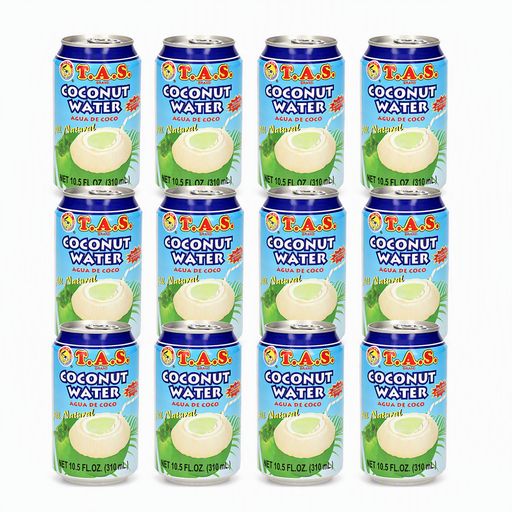
Our take: This coconut water is perfect for quick rehydration after a workout. Its can format is ultra-convenient, and its exceptionally simple composition makes it an excellent natural isotonic drink.
It avoids the "water" vs. "juice" trap. The ingredient list is as short as it gets: "Coconut water (100%)." This is real coconut water, not a disguised sugary drink.
100% pure, no added sugar, and a very low natural sugar content (1.6g/100ml).
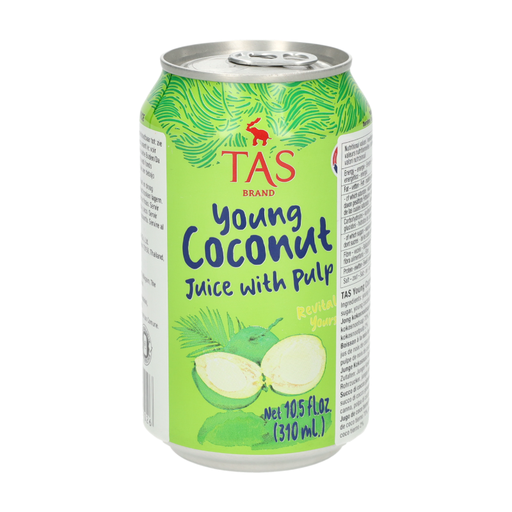
Our take: For those looking for an indulgent drink with more texture. The presence of young coconut pulp offers a rich and textured tasting experience, perfect for a gourmet break.
This product is refreshingly honest: it is clearly sold as a "juice," not "water." The brand is transparent about the added sugar and pulp, allowing you to make an informed choice.
A rich and authentic texture thanks to real coconut pieces. Its sweet and refreshing taste is perfect for cocktails.
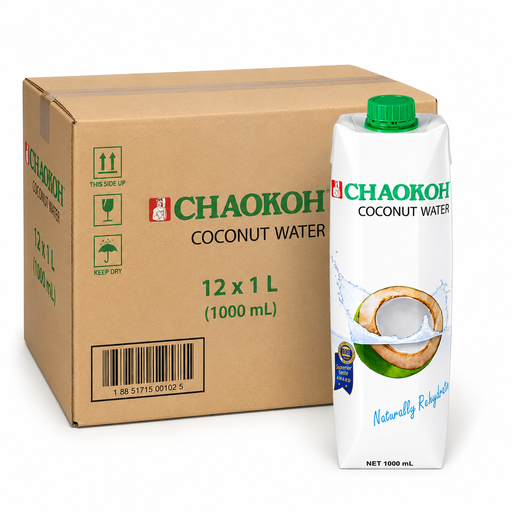
Our take: The perfect format for families or frequent drinkers who always want to have some on hand. This pack offers excellent value for a 100% pure coconut water with no additives.
This product checks all the purity boxes: it's not from concentrate and contains no added sugar or preservatives. It's your guarantee of buying a quality product in bulk, with no unpleasant surprises.
A very economical format in a 12-litre pack. A 100% pure composition for healthy daily consumption.
We've put together a complete selection of products that meet our selection criteria and current regulations.
To put it simply:
Before opening, cartons and cans can be stored at room temperature in a cool, dry place away from light. Once opened, it is essential to keep the container in the refrigerator and consume it within 2 to 3 days to ensure its freshness and preserve its taste.
Yes, absolutely. Coconut water is often called a natural isotonic drink, and for good reason. It contains essential electrolytes (potassium, sodium, etc.) that help maintain proper hydration. For moderate-intensity physical activity, it's an excellent alternative to industrial sports drinks, which are often loaded with sugars and artificial colours.