
Livraison le jour même ou le lendemain

Qualité garantie

Débloquez vos offres de bienvenue: Livraison GRATUITE | Jusqu'à -80 % | 30 jours d'essai gratuits à JoyPlus
Téléchargez l'application
Coconut water appeals with its lightly sweet taste, tropical notes and ready-to-drink format. It works just as well for a break at the office as it does for a workout, a picnic or a family meal. Yet not all drinks sold as natural coconut water are created equal.
Before you head to the checkout, three common pitfalls keep cropping up:
For a simple recipe, go for a short ingredients list. A 100% coconut water should show coconut water as the main ingredient, with no added sugar or unnecessary flavourings. The presence of concentrate isn’t necessarily a bad thing, but it must be clearly stated.
On the other hand, a drink made from water, sugar and a small amount of coconut juice will have a very different profile. This is particularly true of some tropical drinks with pulp. They may suit people looking for a richer texture, but they shouldn’t be confused with pure coconut water.
Coconut water naturally contains sugars. To compare different products, look at the information per 100 ml, rather than the figures given for the whole bottle or can.
As a guide, the product sheets available show different values:
These differences come down to the recipe. A coconut water with no added sugar can still show a sugar content, because sugars occur naturally in the coconut.
The packaging should match the way you plan to drink it:
Also check the storage instructions. Unopened packaging can generally be kept at room temperature, in a dry place away from light. Once opened, refrigeration is essential. The recommended time varies between products – always check the label.
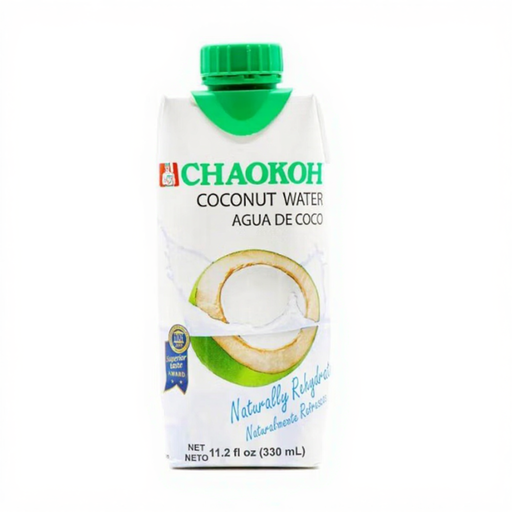
Why this choice suits this profile: Its individual format lets you try coconut water without committing to a large volume straight away. The product sheet shows a 100% coconut water composition, no concentrate, with 20 kcal per 100 ml.
The short ingredients list helps you steer clear of recipes loaded with sugar, coconut milk or flavourings.
330 ml, 100% coconut water according to the product sheet, with no declared fat content.
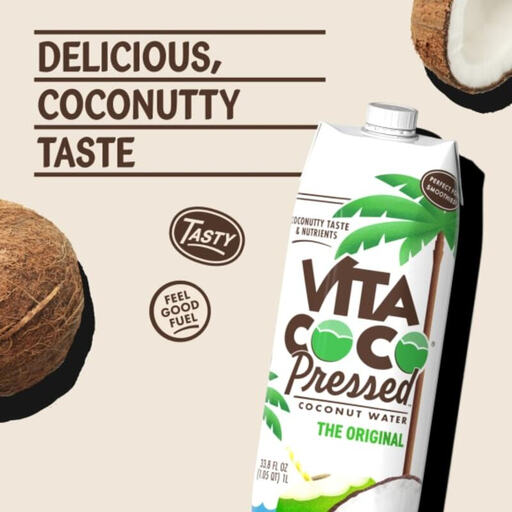
Why this choice suits this profile: The one-litre format is ideal for regular consumption at home. Its smoother texture, as described, should also appeal to those looking for a less conventional coconut drink.
The stated composition clearly lists 97% coconut water from concentrate and 3% coconut cream, leaving no ambiguity about the texture.
1 litre, 22 kcal per 100 ml according to the product sheet, with no declared artificial colours or preservatives.
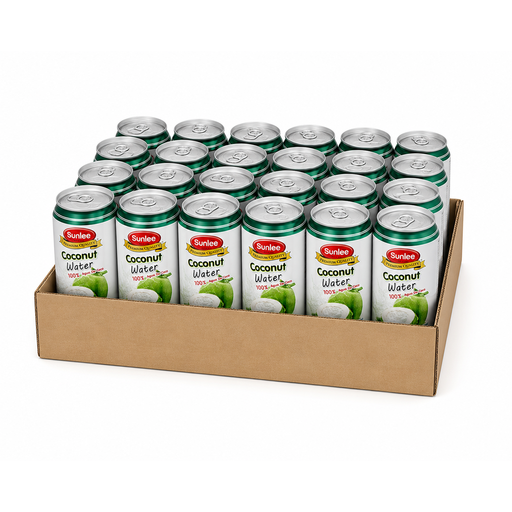
Why this choice suits this profile: The pack of 24 cans is ideal for gyms, offices, families and professionals who want to stock up on individual portions.
Each 310 ml can limits leftovers after opening and avoids having a large opened bottle sitting in the fridge for several days.
24 cans, 100% coconut water according to the product sheet, with no added sugar or declared colourings.
We’ve put together a comprehensive, real-time selection of products that meet these demanding criteria and European safety regulations.
It can make a refreshing hydrating drink after physical activity, thanks to its water content and naturally occurring minerals, depending on its composition. However, it doesn’t replace personalised advice from a healthcare professional or a diet tailored to exercise. For a standard workout, pay particular attention to the taste, volume and sugar content.
Put it in the fridge after opening and follow the time limit stated on the packaging. Several products recommend drinking it within two to three days, while some cartons specify a different period. Don’t drink the contents of a can that is bulging or damaged.
The difference is mainly about volume, portability and storage after opening. An individual can is convenient for immediate consumption. A one-litre bottle or carton is better for sharing and drinking at home. Before you choose, also compare the price per litre, the ingredients list and the nutritional values.