People making curries and sauces
If texture matters in your recipe, compare the coconut extract content and fat content before choosing between coconut milk and coconut cream.


For a curry or sauce, start by choosing a coconut milk and comparing the coconut extract content, fat content and amount required by the recipe, rather than relying on the word “creamy” alone. If your recipe calls for a thicker texture, look at coconut creams. A 1 L pack is best suited to situations where you can use the contents within the stated time after opening.
If texture matters in your recipe, compare the coconut extract content and fat content before choosing between coconut milk and coconut cream.
The ingredients list, any organic certification and the stated country of origin can help you compare products without judging them by their packaging.
For an occasional soup or dessert, the pack size and storage instructions after opening matter just as much as what you plan to cook.
When cooking with coconut milk or cream, start with the texture your recipe calls for, then compare the ingredients and choose a pack size you can use after opening.
| Criteria | What to check | Who it matters to |
|---|---|---|
| Texture and concentration | Check whether it is coconut milk or cream, then compare the coconut extract and fat content on the same basis. | For a curry or sauce where texture is crucial, I want to choose the type specified in the recipe. Around 44% of consumers would make this their top priority. |
| Ingredients and origin | Read the ingredients, look for certification marks if organic matters to you, and check the stated origin where available. | When shopping, I want to know what the product contains and distinguish organic certification from its country of origin. This would be the top priority for around 33% of consumers. |
| Nutrition information and pack size | Compare nutrition information using the same units, along with the pack size and product-specific storage instructions. | If I’m cooking a small amount, I’d rather plan what to do with the rest than automatically choose a large pack; around 23% of consumers would prioritise this. |
The product descriptions refer to items intended for different uses. UFC-Que Choisir classifies Alpro Coco as a plant-based drink, for example, while Auchan’s listing for Vietcoco cream describes it as thicker than coconut milk.
Read the product description and start with the recipe: use coconut milk for cooking when the recipe calls for it, and cream when a thicker texture is specified.
Auchan’s listings state that Racines Bio contains 44% coconut extract, while Vietcoco milk contains 85%. A descriptive claim is no substitute for comparing these figures.
Check the coconut extract content, fat content and ingredients of each product before using it as a substitute for another.
Instructions vary by product: Joybuy’s listing for 400 ml Vietcoco milk says to consume it within 24 hours of opening, while the listing for Bamboo Tree 1 L says to use it within a few days.
Estimate how much you need for your recipes and follow the instructions on the product you buy.
Any amount left unused after the stated period may need to be thrown away.
Organic certification relates to the production method; on its own, it doesn’t tell you the coconut extract content or country of origin. The Ministry of Agriculture explains that organic production is governed by a European regulatory framework.
If organic certification matters to you, check that it is stated on the product, then look separately at the ingredients, coconut content and stated origin.
These brands offer specific coconut milk or cream products to compare; their features may not apply to their entire range.
400 ml coconut milk and cream to compare if your recipe allows you to choose between the two.
400 ml coconut milk to consider when organic certification and stated origin are part of your decision.
400 ml organic coconut milk for comparing ingredients and certification claims.
Coconut milk for a range of dishes, with different pack sizes to choose from.
1 L coconut milk to consider for recipes that genuinely need this quantity.
These coconut milks are available in 400 ml and 1 L packs, as well as a multipack of 250 ml bottles. Compare the quantity you need for your recipes, the stated ingredients and the instructions for each product. This selection does not include coconut cream.
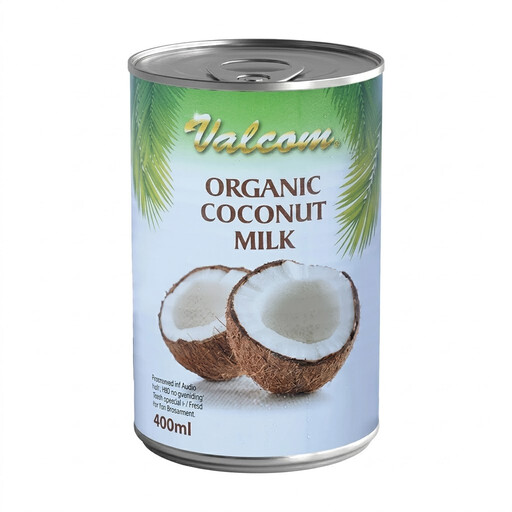 Image unavailable
A 400 ml pack to consider for a curry, soup or dessert. If organic certification is important to you, check the marks shown on the packaging.
After opening, the listing says to refrigerate the product and consume it within three days.
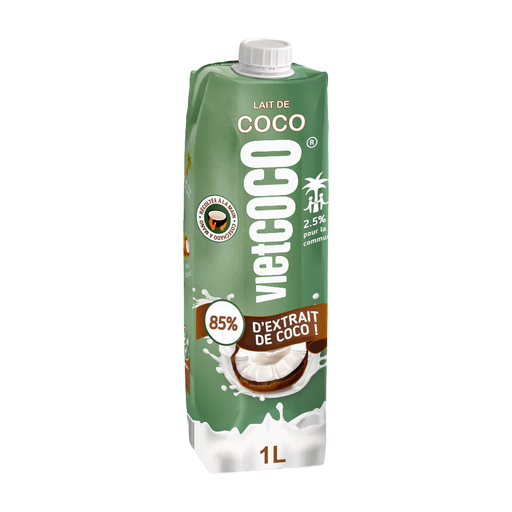 Image unavailable
The 1 L pack may suit a large batch or several recipes made close together. The product title states a fat content of 17 to 19%.
The listing says to refrigerate the product and consume it within five days of opening, so plan how you’ll use the rest before choosing this size.
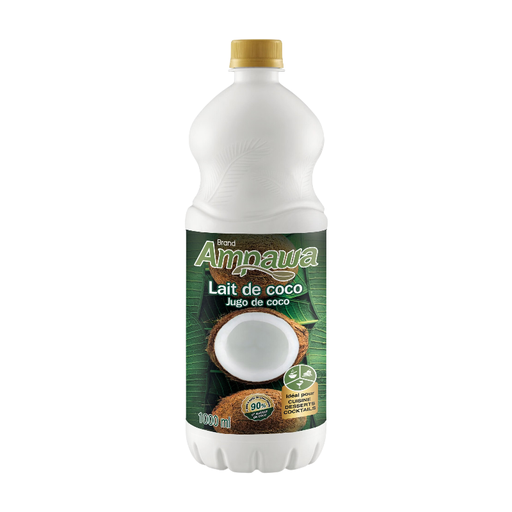 Image unavailable
This 1 L pack is suited to recipes that need a large quantity of coconut milk. To compare how rich it is with another milk, check the fat content on both labels.
The listing recommends consuming the product within five days of opening.
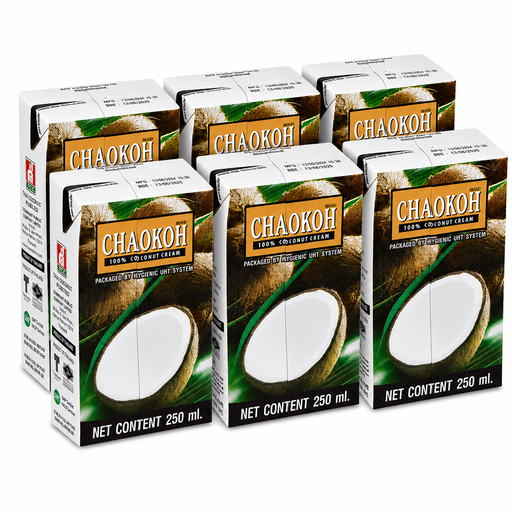 Image unavailable
The six 250 ml bottles make it easy to divide the coconut milk between several dishes; check that the total quantity suits your needs.
The listing says to refrigerate an opened bottle and consume it within three to four days. If allergens matter to you, check the product label.
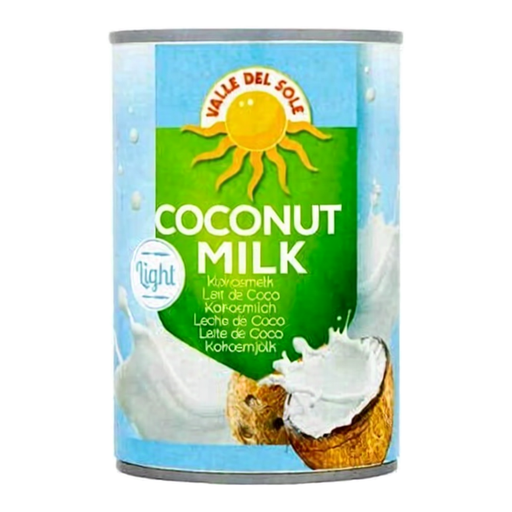 Image unavailable
A 400 ml pack to consider if you want to compare different concentrations for a sauce or soup. Before comparing its nutrition information with another product, check the units: the listing gives fat per 100 g, not per 100 ml.
After opening, the listing recommends transferring it to an airtight container, refrigerating it and consuming it within three days.
Start by reading the product description and ingredients list, then check what your recipe calls for. UFC-Que Choisir classifies Alpro Coco as a plant-based drink, while listings for products intended for cooking use descriptions such as “coconut milk” and “coconut cream”. Don’t automatically substitute one for the other in a curry.
The product description, ingredients and nutrition information are the first things to compare. The Directorate-General for Competition Policy, Consumer Affairs and Fraud Control lists these among the information required on food labels. When comparing two products, also check the quantity, coconut extract content if stated, and instructions for after opening.
No. Organic certification relates to a regulated production method, not the country of origin. If provenance matters to you, look for the stated origin on the product itself.
Follow the instructions for the product and pack size you buy. Joybuy’s listings say to refrigerate 400 ml Vietcoco milk and use it within 24 hours; for 400 ml Chaokoh, they allow up to 7 days after transferring it to a non-metallic container and refrigerating it. These timeframes don’t apply to all their other products.
Choose 1 L if your recipes use that amount or if you can use the rest within the stated time after opening. Joybuy’s listing for Bamboo Tree 1 L says to refrigerate the product and consume it within a few days. For an occasional dish, first compare the quantity you actually need.