An older person who eats small portions
Coconut milk for cooking can add a creamy texture to soups, sauces and desserts. It remains an ingredient in a meal, rather than a solution in itself for a loss of appetite or weight.


For a recipe intended for an older person who eats small portions, choose coconut milk for cooking and compare the amount used with its nutritional values. For a drink, look instead for a coconut-based plant drink, which is a different product. A smaller pack can help reduce leftovers, but the coconut content alone tells you nothing about the protein in the meal. If there is unintended weight loss or a prescribed diet, seek advice from a healthcare professional.
Coconut milk for cooking can add a creamy texture to soups, sauces and desserts. It remains an ingredient in a meal, rather than a solution in itself for a loss of appetite or weight.
It’s important to distinguish a drink from coconut milk intended for cooking and to check the nutrients actually listed on the packaging, particularly if you’re looking for calcium or vitamin B12.
Pack size matters just as much as the ingredients list. A carton suited to your recipe can help avoid leftovers, while the nutritional information lets you compare different varieties.
Consider it: for a sauce, soup or dessert, choosing an amount that suits the recipe.
Keep in mind: fat content varies by product; this ingredient does not replace the other components of a meal.
Consider it: for drinking or adding to coffee, checking the nutrients listed for the product you choose.
Keep in mind: its composition differs from coconut milk for cooking, so it should not be used as a like-for-like substitute in a recipe.
| What matters | What to check | Who is it for? |
|---|---|---|
| Cooking a small portion | Compare the energy and fat per 100 g or 100 ml, then consider how much the recipe calls for. | When an older person eats small portions, I look for a creamy ingredient whose energy content I can assess; around 40% of consumers would put this need first. |
| Its place in the meal | Distinguish coconut milk for cooking from a plant-based drink; check the protein content and any added nutrients in particular. | If I choose a coconut product for an older person, I want to know what it provides without overlooking the protein in other foods; this would be the main concern for around 30% of consumers. |
| Ingredients and pack size | Read the ingredients list and choose a volume that suits the recipe and storage instructions. | For an occasional recipe, I prefer a suitable quantity and a formula that’s easy to understand; ingredients and pack size would be the priority for around 30% of consumers. |
The two products may not serve the same purpose: the Carrefour Sensation product information lists 85% coconut extract and 185 kcal per 100 g, while the Alpro coconut drink information reviewed lists 8.6% coconut milk and 20 kcal per 100 g.
First decide whether you want to cook with or drink the product, then compare the nutritional values on the same basis.
The Suzi Wan coconut milk product information reviewed lists 1.8 g of protein per 100 g. Manger Bouger highlights the importance of protein in older people’s diets.
Think of coconut milk as one ingredient in a recipe, without leaving out other foods from the meal. If there is unintended weight loss, seek advice from a healthcare professional.
These details don’t tell you everything about the product’s energy, fat or protein content.
Read the ingredients list and nutritional information per 100 g or 100 ml together, and consider how much you’ll use.
These words alone won’t tell you whether a coconut milk is suitable for the recipe or for the person who will eat it.
Make your choice based on the type of product, its ingredients, its nutritional values and its pack size.
Two coconut milk products for cooking, with labels that make it possible to compare their ingredients and nutritional values.
An organic coconut milk for cooking in a 200 ml carton, worth considering for a small recipe.
The 200 ml coconut milk for cooking reviewed gives an indication of its fat and protein content.
The coconut-based plant drink reviewed is intended as a drink, unlike coconut milk for cooking.
This range includes coconut creams and milks for cooking in several pack sizes, as well as a coconut drink intended for uses such as hot drinks. Choose based on how you’ll use it first, then check the details of the product you’ve selected.
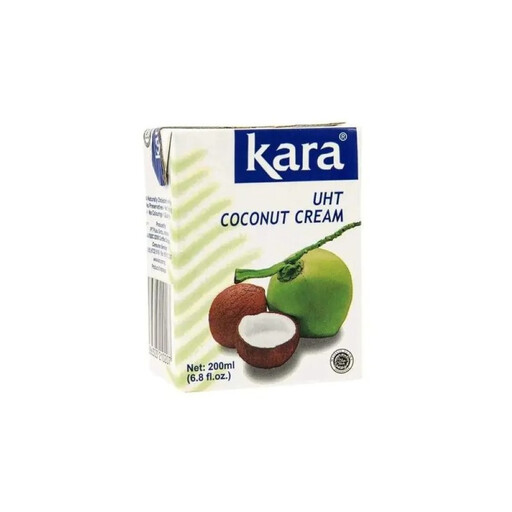 Image unavailable
A coconut cream for cooking to consider when a recipe calls for a small amount. The title states 24% fat and a 200 ml pack size; check the amount you plan to use and the allergens on the packaging.
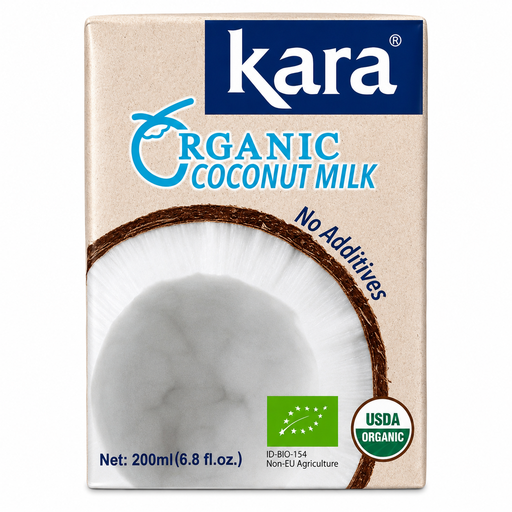 Image unavailable
Coconut milk for cooking in a 200 ml carton, suited to a small recipe. The title states 17% fat, while the nutrition table gives a different value per 100 ml; check the label before using a figure to compare products.
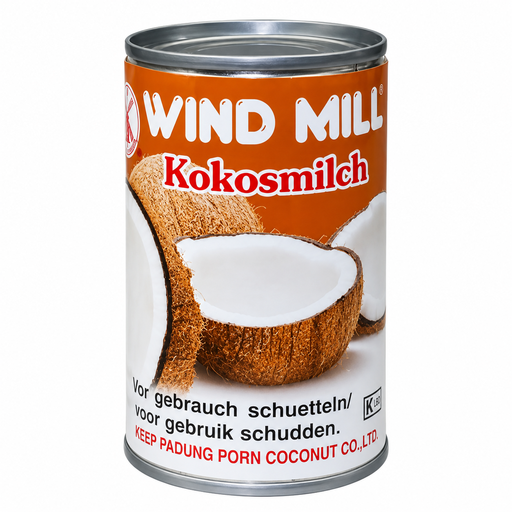 Image unavailable
Coconut milk for cooking in a 165 ml tin, worth considering if your recipe needs only a small amount. To compare it with another coconut milk, check the nutritional values and storage instructions on the packaging.
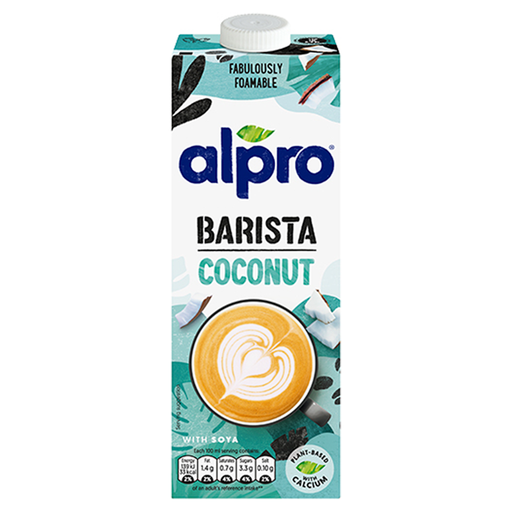 Image unavailable
A coconut drink for hot drinks, not a concentrated coconut milk for cooking. The pack size is 1 L; if calcium or allergens matter to you, check the information for this product on the packaging.
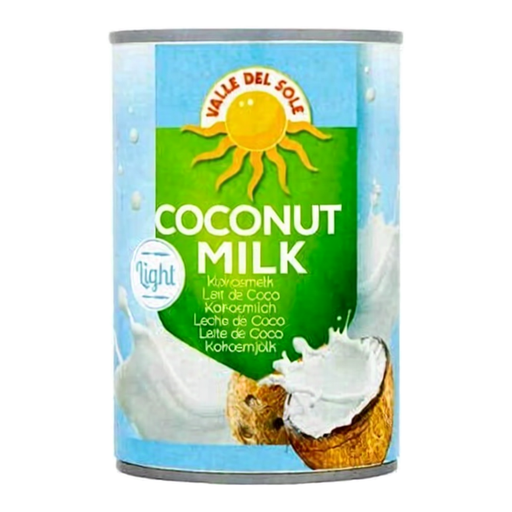 Image unavailable
Coconut milk for cooking in a 400 ml pack, to compare according to the amount your recipe needs. The title states 6% fat; check the nutritional values and storage instructions if you don’t plan to use the whole carton.
Coconut milk for cooking is used as an ingredient, while a coconut-based plant drink is intended for drinking. Their compositions can differ considerably: the Carrefour Sensation product information lists 85% coconut extract in its coconut milk for cooking, compared with 8.6% coconut milk in the Alpro drink reviewed. Check the specific product before using one in place of the other.
No. Adding coconut milk to a recipe isn’t enough to meet all dietary needs. The Suzi Wan product reviewed lists 1.8 g of protein per 100 g, and Manger Bouger highlights the importance of protein for older people. If you’re concerned about unintended weight loss, seek advice from a healthcare professional.
Compare their nutritional information on the same basis, per 100 g or per 100 ml, then consider how much your recipe calls for. Also check the ingredients, pack size, date shown and storage instructions.
For a pre-packed food, check details including its name, ingredients list, net quantity, applicable date and nutritional information. The DGCCRF states that nutrition declarations are normally given per 100 g or 100 ml, subject to certain exemptions. This makes it easier to compare products with different serving sizes.