
Livraison le jour même ou le lendemain

Qualité garantie

Débloquez vos offres de bienvenue: Livraison GRATUITE | Jusqu'à -80 % | 30 jours d'essai gratuits à JoyPlus
Téléchargez l'application
Whether for changing a baby, freshening up your hands on public transport, or disinfecting a table in the blink of an eye, cleaning wipes have become a go-to solution. They're convenient, yes, but the wipe aisle is a veritable jungle of marketing traps. Attractive packaging or a vague "natural" claim isn't enough to guarantee a product is both effective and safe. This guide is here to help you cut through the noise and make the right choice.
Before you fill your basket, keep your eyes peeled. A few common mistakes can be costly for your wallet, and for your skin.
You don't need to be a chemist to make a smart purchase. Simply check these three essential points that make all the difference.
This is the product's ID card, and it doesn't lie. For any application on the skin, especially if it's sensitive, here are the points to examine closely:
The material of the wipe is far from a minor detail. Manufacturers are increasingly opting for plant-based fibres (cellulose, viscose, cotton). These biodegradable wipes are an excellent alternative to synthetic versions derived from plastic. The twofold benefit? They are more environmentally friendly and often much softer on the skin.
It's essential not to mix them up:
To put theory into practice, here are three products that perfectly meet our guide's criteria, each for a specific use.
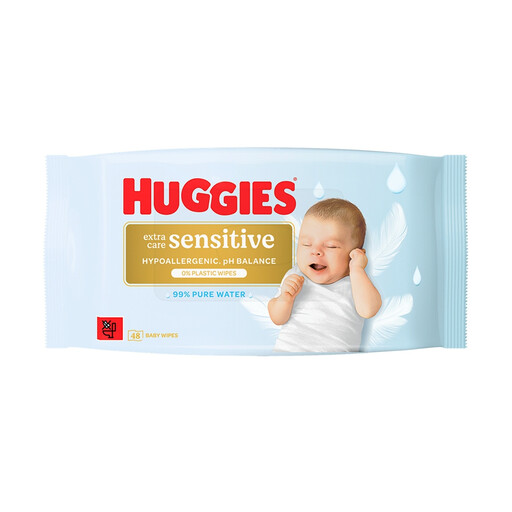
Our take: The go-to choice for parents who want the gentlest care for their newborn. Its 99% pure water formula, free from fragrance and alcohol, is designed for the most reactive skin.
Rather than a simple "natural" claim, Huggies focuses on tangible proof: a clinically tested hypoallergenic formula made with 99% pure water. This minimises the risk of hidden irritants.
Its thick texture, made from 67% natural fibres, cleans effectively in a single wipe. Fewer wipes mean less friction and therefore less irritation for your baby's skin.
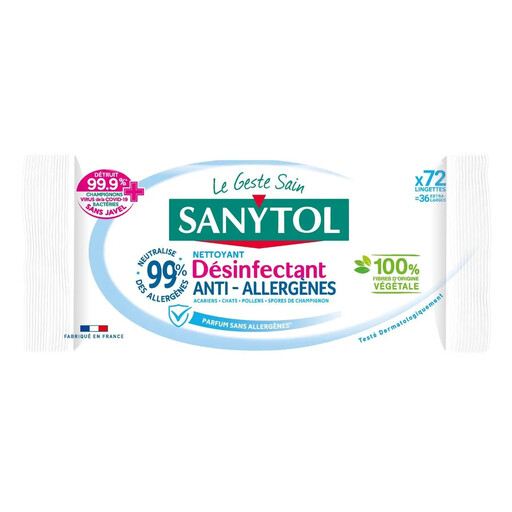
Our take: The perfect solution for disinfecting all household surfaces, especially if you have pets or family members with allergies.
Sanytol plays it straight: these are surface wipes, period. There's no risk of confusing them with a skincare product. This guarantees use that is both safe and effective.
Its dual action is formidable: it eliminates 99.9% of bacteria and viruses (including SARS-CoV-2, per the EN14476 standard) while also neutralising allergens (dust mites, cat dander, pollen). The icing on the cake is that the wipes are biodegradable.
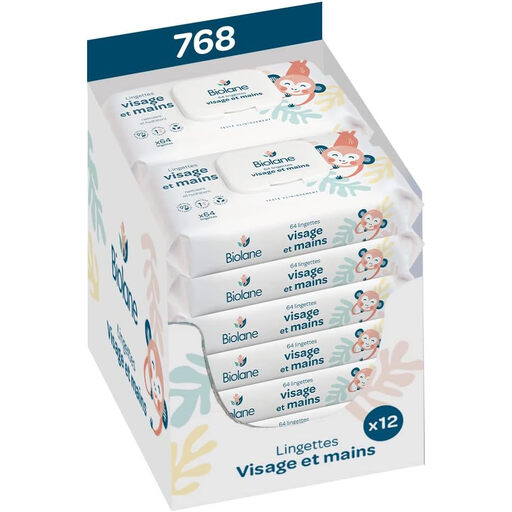
Our take: The ideal solution for families or anyone who goes through a lot of wipes. This jumbo pack lets you stock up and manage your budget stress-free.
This product directly counters the cost-per-wipe trap. By buying this pack of 768 wipes, the price per unit becomes unbeatable, without sacrificing quality.
The value size doesn't come at the expense of quality. With 97% naturally derived ingredients, 100% plant-based fibres, and French manufacturing, it's a trustworthy product for daily face and hand cleaning for the whole family.
Discover our full selection of wipes, all rigorously chosen according to the criteria in this guide.
1. Can you flush biodegradable wipes down the toilet? Absolutely not! This is a common mistake with disastrous consequences. Even a so-called "biodegradable" wipe does not break down fast enough for plumbing systems. It risks creating massive clogs in sewage treatment plants. There is only one destination for a used wipe: the bin. End of story.
2. What's the difference between baby wipes and hand wipes?Baby wipes are designed for maximum gentleness: their formula is often water-based, with very mild cleansers and moisturising agents. In contrast, hand wipes, especially antibacterial versions, contain disinfectants (like alcohol) that are effective against germs but far too harsh for a baby's delicate skin.
3. How do you store a pack of wipes to keep them from drying out? The secret is a good seal. Always make sure to securely close the plastic lid or adhesive sticker after each use. The pro tip? Store the pack upside down. Gravity will help keep the top wipes well-saturated, preventing them from drying out before the others.