
Livraison le jour même ou le lendemain

Qualité garantie

Débloquez vos offres de bienvenue: Livraison GRATUITE | Jusqu'à -80 % | 30 jours d'essai gratuits à JoyPlus
Téléchargez l'application
Baby wipes are a daily essential for countless parents. Convenient for nappy changes, sticky hands, or a quick clean-up, their selection should not be left to chance. Faced with overwhelming store aisles, it's easy to fall for marketing ploys. This guide is here to help you see clearly and choose products that are suitable, safe, and effective for your child's delicate skin.
The baby wipe aisle is overflowing with marketing promises that are often more confusing than helpful. Here are the most common traps that could lead to buyer's remorse.
To make an informed choice, ignore the advertising slogans and focus on these essential points.
Your best tool for deciphering a product? The ingredients list (INCI). For the most fragile skin, especially that of newborns, a short formula is often a sign of safety.
The quality of the fabric directly impacts the comfort and effectiveness of the clean-up.
Not all wipes are interchangeable.
To illustrate these criteria in practice, here are a few products that meet specific needs.
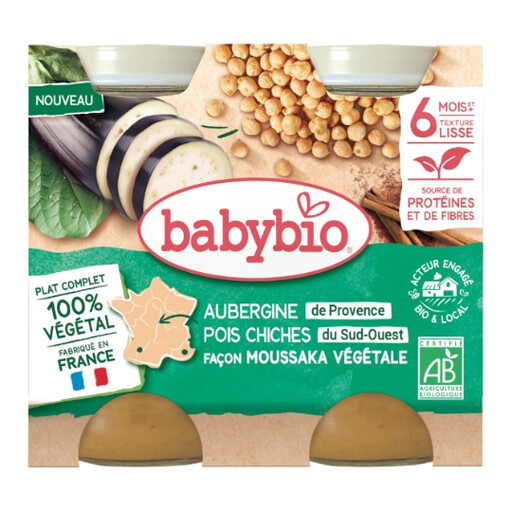
Why we chose them: Perfect for the ultra-sensitive skin of newborns. Here, the absolute priority is purity to minimise any risk of allergy or irritation.
These wipes avoid the vague "natural" trap by being completely transparent: an ultra-short ingredient list, with 99.9% purified water.
Ultra-minimalist composition (water and a drop of fruit extract). The safest choice for the most reactive skin types.
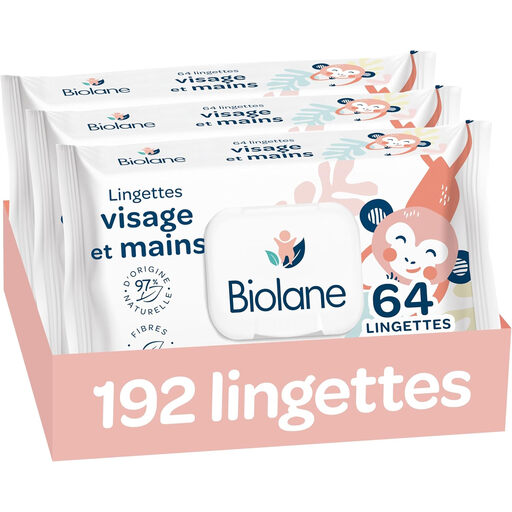
Why we chose them: The perfect solution for parents looking for a quick and safe product to clean up faces and hands after a snack or a trip to the park.
This product debunks the "all-in-one" wipe myth by offering a formula specifically designed for the fragile face and hand area, tested under medical supervision.
Formula with 97% ingredients of natural origin. Made in France. Cleanses, refreshes, and protects in a single step.
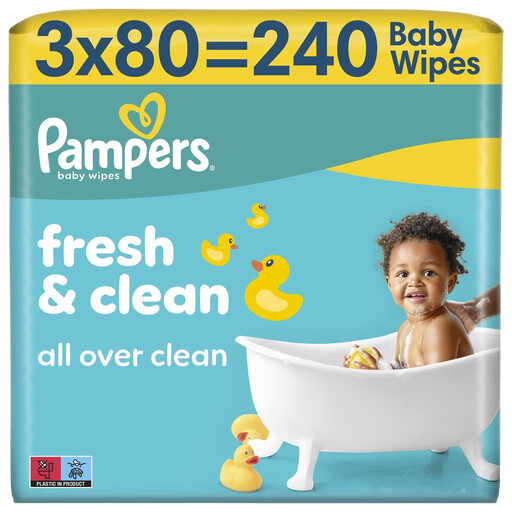
Why we chose them: For families looking for the best value for heavy use, without compromising on essential safety.
This multi-pack avoids the premature drying trap thanks to its resealable plastic lid, which is much more effective and durable than a simple adhesive tab.
Alcohol-free formula that respects the skin's natural pH. Dermatologically tested. An economical format designed to last.
We have put together a complete selection of products that meet our selection criteria and current safety standards.
No, and this is a crucial point: the vast majority of baby wipes should NEVER be flushed down the toilet. They do not break down like toilet paper and can cause massive clogs in your pipes and in public sewage systems. Their place is in the bin, and nowhere else. Only moist toilet tissue, which is explicitly labelled "flushable" or "disposable in the toilet," can be flushed, and always in small quantities.
The fundamental difference lies in their composition and their ability to disintegrate in water. Baby wipes are made of very durable fibres (often a mix of plastic and cellulose) so they don't tear during a nappy change. Moist toilet tissue, on the other hand, is designed with fibres that break down very quickly in water, allowing it to be flushed without risk (provided you follow the quantities indicated by the manufacturer).
This is the weak point of many packs: the sealing system. To keep your wipes moist, choose packs with a rigid plastic lid. If yours only has an adhesive tab, make sure to reseal it carefully after each use. A little trick: store the pack upside down. This allows the liquid to better soak the top wipes, which are the first to be used. Finally, avoid leaving them in direct sunlight or near a radiator.